Aipac's Covert Funding Faces Scrutiny in Illinois Democratic Primaries
Aipac's Covert Funding Tested in Illinois Primaries

Aipac's Stealth Campaign in Illinois Faces Democratic Voter Backlash

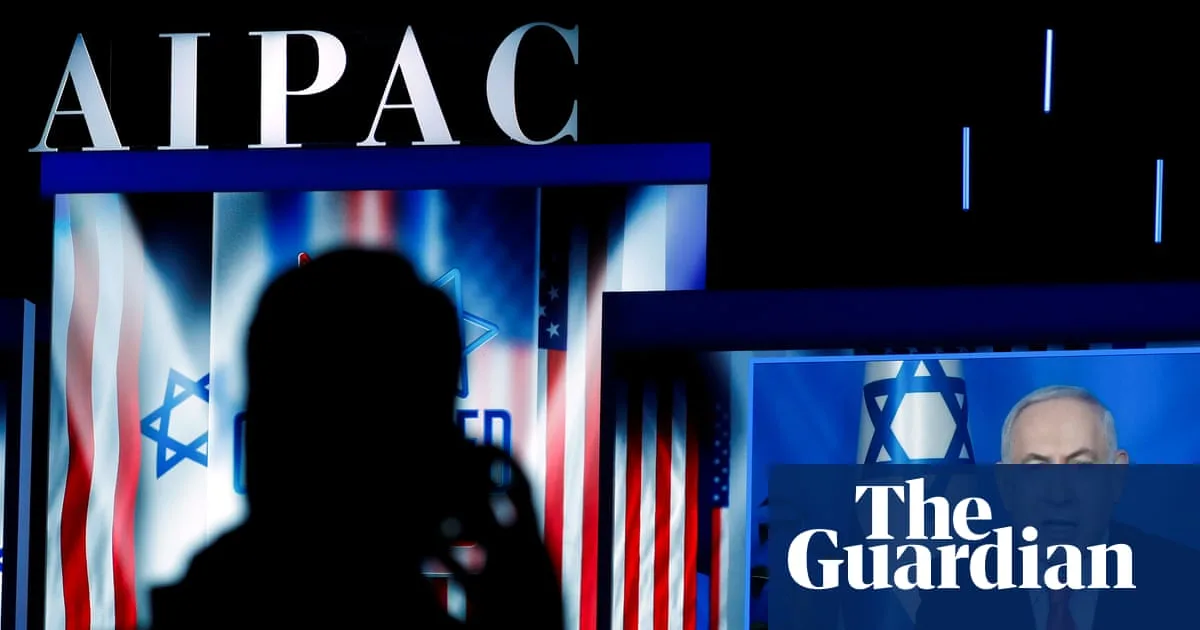
The American Israel Public Affairs Committee (Aipac), one of Washington's most influential pro-Israel lobbying organizations, is confronting a significant electoral challenge as its substantial financial contributions undergo intense scrutiny during Tuesday's Democratic congressional primaries in Illinois. According to an investigation by Chicago's public radio station WBEZ, Aipac and its affiliated political action committees have funneled at least $13.7 million across four competitive races in and around Chicago, utilizing Super Pacs with deliberately vague names like Elect Chicago Women and Affordable Chicago Now to obscure the origins of the funds.

Covert Funding Operations and Donor Patterns

Federal Election Commission records, analyzed by the American Prospect, reveal a coordinated pattern of donations involving 237 individuals who previously contributed to Aipac or its United Democracy Project super PAC. These donors have provided financial support to multiple candidates, including Cook County commissioner Donna Miller, former congresswoman Melissa Bean, and state senator Laura Fine, with 44 donors giving identical amounts to all three on the same dates. Notably, 198 donations arrived in Miller's account on New Year's Eve alone, raising questions about transparency, as the Super Pacs backing these candidates were incorporated in January and will not disclose their donors until around election day.

Historical Context and Shifting Political Dynamics

Founded in 1954 partly to counter negative publicity following an Israeli commando massacre of 60 Palestinians in the West Bank, Aipac has evolved into a formidable lobbying force in Washington, operating on the premise that bipartisan support for Israel was a rational consensus. In 2022, the group launched the United Democracy Project to directly intervene in Democratic primaries, amassing a reported $96 million war chest for the 2026 midterms. However, the organization's traditional influence is now being tested as Democratic voters have shifted sharply, with polls indicating greater sympathy for Palestinians than Israelis, particularly in the wake of the devastating Gaza war, which has rendered Aipac's brand an electoral liability in urban, educated districts.

Wide Pickt banner — collaborative shopping lists app for Telegram, phone mockup with grocery list

Electoral Setbacks and Strategic Risks

The recent New Jersey special election in February served as a cautionary tale for Aipac's tactics, where the group spent approximately $2 million attacking moderate candidate Tom Malinowski, only to inadvertently hand victory to a progressive less aligned with its positions. Political strategist David Axelrod noted to Politico that the heavy-handed campaign backfired spectacularly, warning that if voters recognize Aipac as the source of funding, the tactics could overwhelm the intended message and harm the beneficiaries. In Illinois's ninth district, a heavily Jewish and highly educated area that has elected a Jewish Democrat to Congress for 61 consecutive years, Aipac-aligned groups are attacking Daniel Biss, the mayor of Evanston, risking that such attacks may drive voters toward Palestinian American progressive Kat Abughazaleh instead of the intended candidate.

Broader Political Implications and Internal Conflicts

The primaries are not the only races attracting covert Aipac money in Illinois; The Intercept reported that at least 27 Aipac donors are supporting lieutenant governor Juliana Stratton in her Senate bid, while Aipac has formally endorsed her opponent, representative Raja Krishnamoorthi. The organization's stance has further complicated by events such as Donald Trump's strikes on Iran, which Aipac praised but every candidate it backed in Illinois condemned, highlighting a growing disconnect. Former Bernie Sanders foreign policy adviser Matt Duss explained to Jewish Currents that Aipac must navigate Democratic voters' overwhelming opposition to such conflicts to maintain support.

Pickt after-article banner — collaborative shopping lists app with family illustration

Candidate Responses and Progressive Criticisms

Candidates like Laura Fine have expressed frustration, telling the New York Times that she has hit a wall in trying to identify the donors behind the groups supporting her. Illinois governor JB Pritzker, a former significant Aipac donor, has distanced himself from the organization, citing its MAGA influences. Progressive candidates, such as Junaid Ahmed running against Bean in the eighth district, have been vocal in criticizing Aipac's tactics, accusing the group of spending big money to secure future commitments for aid and weapons to Israel, framing it as a playbook to control Congress.

As the primaries unfold, the outcomes will serve as a critical test of whether Aipac's substantial financial investments can withstand the growing toxicity of its brand among Democratic voters, potentially reshaping the landscape of pro-Israel lobbying in American politics.




