
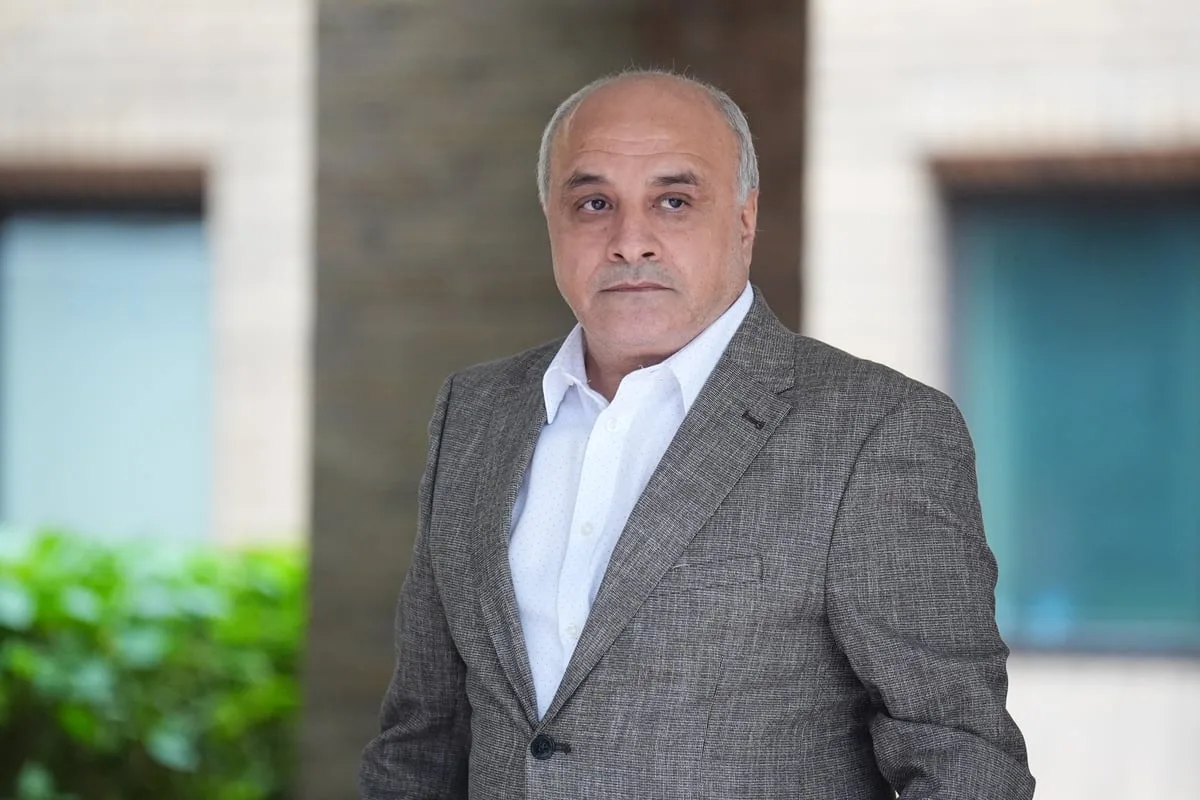
The US State Department is reportedly considering granting refugee status to a man who burned a copy of the Quran outside the Turkish embassy in London, should he flee the UK. Hamut Coskun, 51, had a conviction for a religiously aggravated public order offence overturned in October, a ruling now being contested by the Crown Prosecution Service (CPS).
Mr Coskun, who originally sought asylum in the UK from Turkey, told The Telegraph that if he loses his case, he may be forced to leave Britain and seek protection in the United States, citing President Trump's stance on free speech and Islamic extremism. He stated: 'For me, as the victim of Islamic terrorism, I cannot remain silent.'
On 13 February 2025, Mr Coskun travelled from his home in the Midlands to the Turkish embassy in Knightsbridge, where he set fire to a copy of the Quran and held it above his head. A passer-by, Moussa Kadri, slashed at him with a blade before kicking him; Kadri received a suspended 20-week prison sentence for assault. Mr Coskun was initially charged with harassing the 'religious institution of Islam', later amended after arguments from the National Secular Society and the Free Speech Union that he was being accused of blasphemy, a charge abolished in the UK 18 years ago.
At trial, CPS lawyers claimed Mr Coskun was prosecuted for 'disorderly behaviour in public'. He was convicted of a religiously aggravated public order offence and fined £240, but that conviction was overturned at Southwark Crown Court in October, with Mr Justice Bennathan ruling that the right to freedom of expression 'must include the right to express views that offend, shock or disturb'.
The case is reportedly being closely followed by senior officials in the Trump administration, who are said to be discussing offering Mr Coskun refugee status should he apply. The matter threatens to escalate the ongoing rift over free speech between the UK and the US, amplified by Vice President JD Vance's speech at the Munich Security Conference in February, where he claimed free speech in the UK was 'in retreat'. The US has also criticised the UK's Online Safety Act, which imposes fines on social media platforms for failing to remove harmful content.
A spokesperson for the National Secular Society criticised the CPS, saying it 'appears determined to establish a blasphemy law by the back door' and that its approach 'casts those subjected to violence for offending religious sensibilities as the wrongdoers'. The society warned that if the appeal succeeds, 'extremists will be handed a veto over free speech'.




