
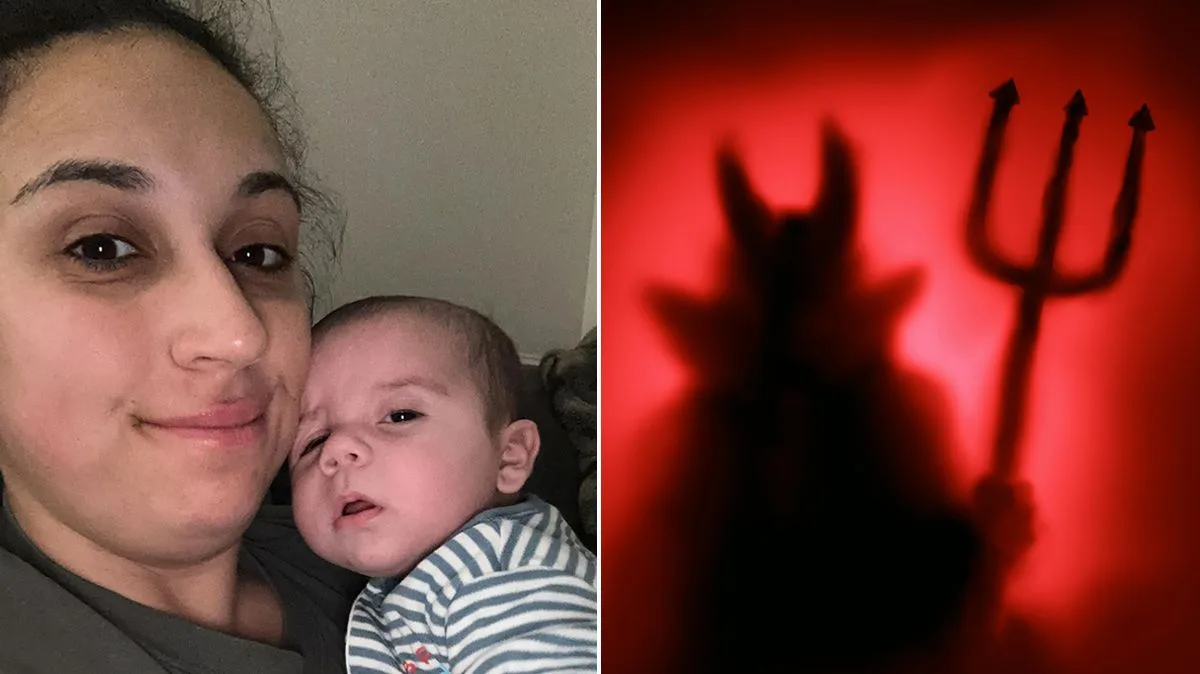
A mother from Birmingham has defended her decision to name her newborn son Lucifer, despite facing fierce criticism from trolls and even a family member who called the name an 'abomination'. Ronni Lily, 27, and her partner Brad welcomed Lucifer Ashley on January 20, inspired by the Netflix series 'Lucifer'. The couple, who have four children, say the name fits their son perfectly and they have no regrets.
Ronni explained that the name was chosen when she was 16 weeks pregnant, after Brad finished watching the show. 'We both agreed it was a pretty cool name. Of course, we are aware of a certain connotation, but we are not religious,' she said. Despite the name's association with the devil, its original meaning is 'bearer of light' or 'Morning Star'. Lucifer is banned in some countries, such as New Zealand, but is legal in the UK.
The mother-of-four has faced harsh reactions online and from relatives. One family member refused to use the full name, instead calling the baby 'Luci'. Ronni said: 'She told us she absolutely hated it, she actually said it was an abomination to call a baby that name.' However, her father loved the name, calling it 'different and bold'. In online parenting groups, trolls claimed the name was illegal and cruel, but Ronni dismissed the criticism as 'stupid'.
Ronni, a teaching assistant, believes children today are more concerned with branded trainers than unusual names. She said: 'If a kid is a bully, they will find something to pick on. I'm not concerned his name will cause him problems at school or later in life.' She added that many other mothers admitted they loved the name but were put off by peer pressure. 'I'm sad that so many parents admitted online that they loved the name, but decided against it due to peer pressure and outdated views,' she said.
At the registry office, there were no issues. 'The registrar simply confirmed the spelling and that was it. I'm sure they hear far worse names every day,' Ronni said. The couple's other children are Lola, six, Lincoln, three, and Lilac, two. Ronni insists the positive comments have outweighed the negative, and she remains confident in their choice.




