

US Supreme Court to Hear Catholic Preschool Case on Funding and LGBTQ+ Rights
The US Supreme Court has agreed to hear a significant case involving Catholic preschools in Colorado, which claim that the state violated their religious rights by excluding them from a taxpayer-funded universal preschool program. The court's decision to take up the appeal, announced on Monday, sets the stage for a major legal battle over the intersection of religious freedom and anti-discrimination laws.
Background of the Case
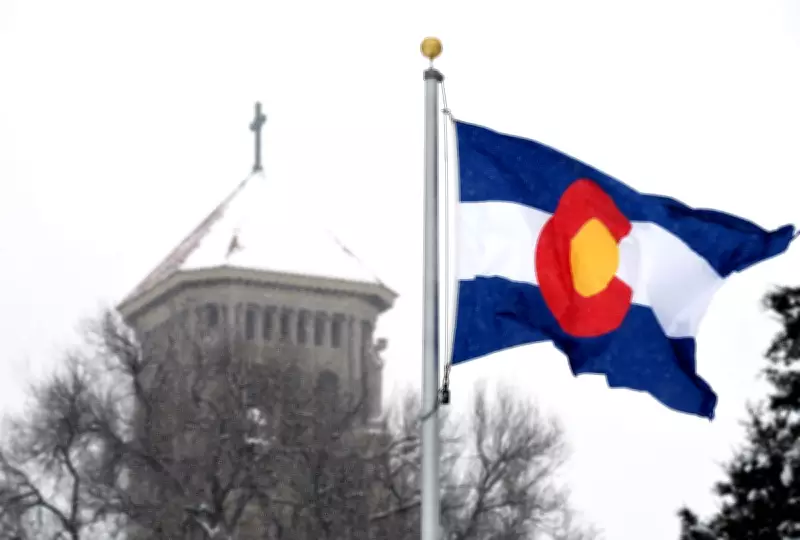
The case centers on St Mary Catholic Parish, supported by the Republican Trump administration and joined by the Archdiocese of Denver. These religious institutions argue that it is unconstitutional for Colorado to bar them from participating in a state-funded preschool program due to their faith-based admission policies, which restrict access for LGBTQ+ families and children. The program, established by a 2020 ballot measure, provides public funding for free preschool at centers chosen by parents, aiming to increase early childhood education access.
Colorado officials have stated that religious schools are welcome to join the program but must comply with nondiscrimination laws. This requirement has sparked the legal dispute, as the preschools assert that their religious beliefs should exempt them from such regulations, claiming that the exclusion infringes on their First Amendment rights.

Broader Legal Implications
This case is the latest in a series of religious rights disputes before the conservative-majority Supreme Court, which has previously supported claims of religious discrimination while often taking a more skeptical stance on LGBTQ+ rights. The outcome could have far-reaching implications for how states balance religious freedoms with anti-discrimination protections in publicly funded programs.
Additionally, the court will consider narrowing a landmark 1990 decision related to the spiritual use of peyote, a cactus containing the hallucinogen mescaline. That opinion, authored by conservative icon Justice Antonin Scalia, held that religious practices do not create exemptions from broadly applicable laws. The justices have declined a push from the schools and a Catholic family in Colorado to overturn this ruling outright, but the case may lead to modifications in its interpretation.
Key Arguments and Next Steps
For the Catholic preschools: They argue that excluding them from the state-funded program based on their religious admission policies constitutes discrimination against their faith. They contend that this violates their constitutional rights to free exercise of religion and could set a dangerous precedent for other religious institutions seeking public funding.
For the state of Colorado: Officials maintain that the program is open to all schools, including religious ones, but requires adherence to nondiscrimination laws to ensure equal access for all families, regardless of sexual orientation or gender identity. They assert that this is necessary to uphold civil rights and prevent discrimination in publicly funded initiatives.
The case is scheduled to be heard in the fall, with a decision expected to impact not only Colorado but also similar programs across the United States. It highlights ongoing tensions between religious liberties and LGBTQ+ rights in American society, particularly in the context of education and public funding.






