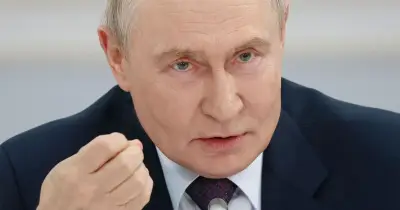
Russia's growing budgetary crisis, driven by the costly invasion of Ukraine, long-range strikes by Kyiv, international sanctions and economic mismanagement, is imposing significant economic hardship on Russian society, including in the major urban centers of Moscow and St. Petersburg that President Vladimir Putin has traditionally sought to protect from the effects of the war, the Institute for the Study of War (ISW) reported in its August 28 assessment of the conflict.
The ISW noted that the Kremlin is now engaging in "more complex and challenging fiscal management than is necessary under normal economic circumstances." It added that Putin continues to renege on his tacit social contract with Russians, under which he would shield them from the impacts of the war in return for their continued support.
Fiscal challenges ahead of elections
The emergence of this crisis comes less than a month before the September 20 elections to the Russian parliament, which Putin has turned into a "high-stakes referendum" on the war in Ukraine. The ISW wrote that this timing "emphasises the magnitude of the fiscal challenges that the war is presenting to the Kremlin."

The ISW added: "Putin's choice to prioritise the war effort is generating avoidable operational problems for Russian officials who will have to continue to react dynamically and with painful mitigations to increasingly adverse economic conditions."
However, the ISW assessed that Russian officials will likely remain able to respond such that Russia can continue its war effort even as the economy struggles for a considerable time, and there is no near-term or imminent likelihood that the Russian economy will collapse.
Strikes on economic targets
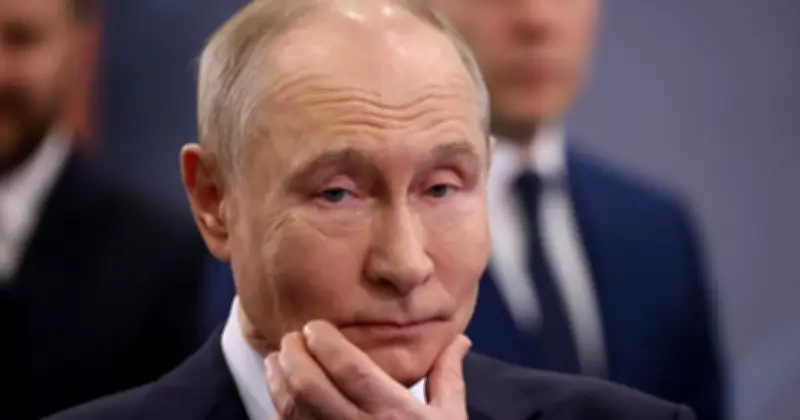
The assessment follows Putin's comment that Ukraine has opened "Pandora's box" with its strikes on Russian economic targets, including on online retailer Wildberries, which is often referred to as the country's version of Amazon.
Earlier this week, Prime Minister Andy Burnham said Britain's support for Ukraine will not change amid news that the head of the CIA, John Ratcliffe, made his first known visit to Moscow for talks with Russian officials on Tuesday.
Moscow has warned that it could strike British military targets if Kyiv continues to fire long-range UK-made cruise missiles into Russia. Western officials have sought to play down the prospect of a conflict between Moscow and NATO.
On Friday, Western officials said the threats were "not a new phenomenon" but part of "long-standing Russian military doctrine" that seeks to use "hostile rhetoric" to "exploit fears" and influence decisions. They added: "We do need to be careful to distinguish what is real from what is rhetoric designed to scare and deter us. Replaying Russian threats and heightening a sense of crisis is exactly what the Kremlin wants."