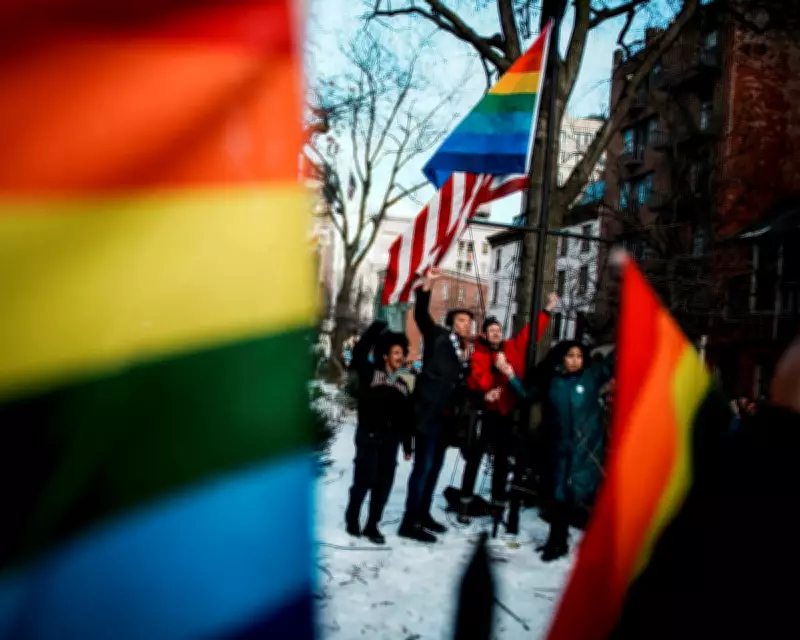
The iconic Pride flag has been officially reinstated at the Stonewall National Monument in New York City, marking a significant moment in the ongoing struggle for LGBTQ+ rights. This decision comes after the flag was temporarily removed earlier this week, an action that ignited fierce protests and heated discussions across the United States.
Background of the Controversy
The removal of the Pride flag from the Stonewall National Monument, a site renowned as the birthplace of the modern LGBTQ+ rights movement, occurred without prior public announcement. Authorities cited administrative reasons for the initial decision, but this explanation was met with widespread skepticism and outrage from activists and community members.
Public Reaction and Protests
In response to the flag's removal, thousands of demonstrators gathered at the monument over the past few days, holding vigils and rallies to demand its return. Protesters emphasized the symbolic importance of the Pride flag at Stonewall, arguing that its presence honors the legacy of the 1969 Stonewall riots, which were a pivotal event in the fight for LGBTQ+ equality.

Social media platforms were flooded with messages of support, using hashtags such as #BringBackThePrideFlag and #StonewallPride, which helped amplify the campaign and draw national attention to the issue. Many public figures, including politicians and celebrities, voiced their solidarity with the protesters, calling for immediate action to rectify the situation.
Reinstatement and Official Statements
Following mounting pressure, officials announced the reinstatement of the Pride flag at the Stonewall National Monument. In a statement, a spokesperson for the National Park Service, which oversees the monument, acknowledged the deep emotional and historical significance of the flag. They stated that the removal was a procedural error and reaffirmed the agency's commitment to inclusivity and the preservation of LGBTQ+ heritage.
The spokesperson added, "We recognize the critical role that Stonewall plays in American history, and we are dedicated to ensuring that this site continues to serve as a beacon of hope and progress for all. The Pride flag will remain a permanent fixture here, symbolizing our unwavering support for the LGBTQ+ community."
Implications for LGBTQ+ Rights
This incident has reignited conversations about the state of LGBTQ+ rights in the United States, particularly in the context of recent legislative challenges and social tensions. Advocates argue that the swift reinstatement of the flag demonstrates the power of collective action and serves as a reminder of the ongoing need to protect and advance equality.
However, some critics warn that the controversy highlights underlying vulnerabilities, suggesting that symbolic gestures must be backed by substantive policy changes to ensure lasting progress. They point to issues such as discrimination protections, healthcare access, and transgender rights as areas requiring continued advocacy and reform.
Looking Ahead
As the Pride flag once again flies proudly at Stonewall, community leaders are calling for increased efforts to educate the public about LGBTQ+ history and to safeguard similar monuments nationwide. Plans are underway for a series of events and educational programs at the site to commemorate the reinstatement and promote greater understanding.
This episode underscores the enduring importance of Stonewall as a symbol of resistance and resilience. It serves as a powerful testament to the impact of grassroots activism and the ongoing journey toward full equality for all individuals, regardless of sexual orientation or gender identity.