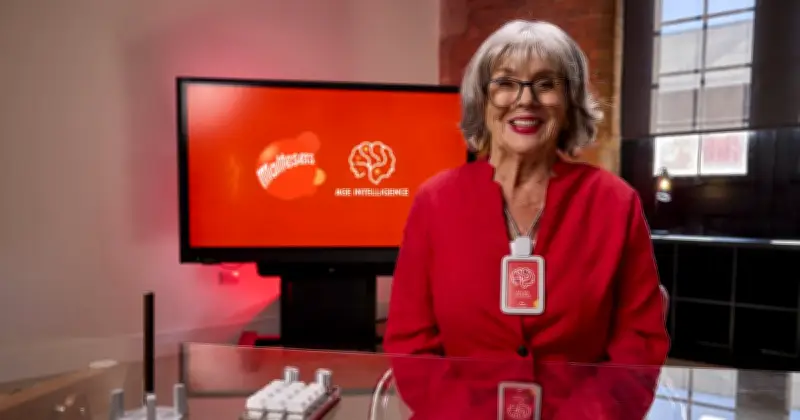
Seven in 10 Brits believe artificial intelligence will never replace advice from their elders, according to a new poll. The research, carried out by OnePoll among 2,000 adults, found that while 21% use AI tools for help several times a week, 92% believe some forms of knowledge can only be gained through lived experience.
Age Intelligence campaign
The findings come as actress Sue Johnston, 82, appears in a mock-product launch video for Maltesers, part of the brand's 90th anniversary celebrations. In the tongue-in-cheek reveal, she presents an "AI" product that is not artificial intelligence at all, but 'Age Intelligence' – a celebration of the wisdom, perspective, humour and hard-earned life experience that comes with growing old.
Johnston invites Brits across the country to put Age Intelligence to the test by sending in questions they would normally ask a digital chatbot. Some of the best entries will be answered by Johnston and content creator 'Grime Gran' later this autumn.
Trust in real people
The poll found 71% feel AI advice will never truly replace genuine human connection, with mums (39%), female friends (20%) and sisters (12%) ranked among the most trusted sources of advice. Those polled go to their elders for romantic advice (19%), how to change a tyre (16%) and career change tips (13%). Older generations are also valued for practical knowledge, including weeding the garden (16%), bleeding a radiator (18%) and removing stains from clothes (25%).
More than half (55%) of those who believe AI will never replace advice from older generations think this because they offer real-life experience which technology will never be able to replicate. Almost half (48%) feel advice from older people is more authentic, while 43% believe they are better able to understand the nuances and emotions behind a situation. The same amount (48%) value the personal stories and life lessons they can share.
Wisdom and connection
Among the most valued pearls of wisdom were "save for a rainy day" (40%) and "treat others as you would like to be treated" (38%). However, 64% of AI users admitted they have sought help from a chatbot when they could instead have spoken to a real person. Despite this, a mere 18% rely on AI-generated advice for parenting and 17% have confidence in the bot's advice on romantic relationships.
By comparison, 77% trust advice from real people on parenting, while 73% would rely on the guidance they receive from those they confide in about their love life.
Johnston said: "AI is very handy for quick answers, but it can’t tell you what a real person would say, remind you to take a cardigan, or confirm that you’re definitely not overreacting (you probably are). Real wisdom comes from living through life’s ups and downs – and from the people who’ve been there with you, armed with a story, an opinion and a cup of tea they insist you have before making any decisions."
Claire Norgate from Maltesers, which is also celebrating its long-standing partnership with Comic Relief that has raised more than £8.5 million supporting organisations working with women and girls, added: "AI is brilliant at giving us quick answers. But there are some things it simply can’t replicate – the stories, perspective, humour and connection that come from real-life experience."