Inside the Toxic Manosphere: Why Alpha Influencers Fear Gay Men
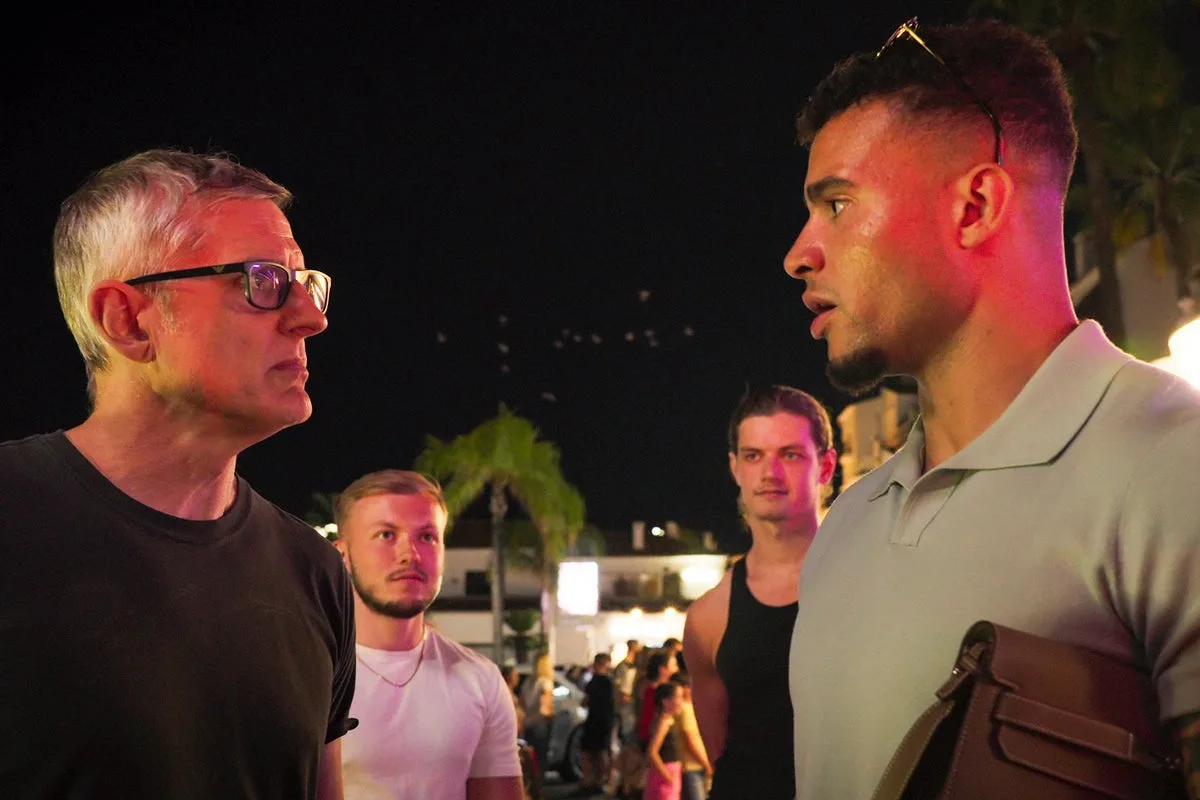
Louis Theroux's latest Netflix documentary, Inside the Manosphere, has cast a stark light on the bizarre obsession that so-called 'alpha' influencers hold towards gay men. For a breed whose entire sense of manhood hinges on perceived attractiveness and dominance, this fixation is not a flattering look, as noted by writer Gary Nunn. The film exposes how these figures, with their inflated egos and toxic views, are paradoxically threatened by a community that largely ignores them.
The Paradox of Obsession
You might expect the fascination to flow the other way. In the gay world, these ultra-masculine influencers—obsessed with wealth, fame, and fitness—are often seen as irrelevant nobodies. Nunn admits he rarely gives them a second thought, calling it his 'homosexual privilege.' Yet, as Theroux's documentary makes painfully clear, these men are deeply preoccupied with gay men, viewing them with a mix of fear and hostility.
Their definition of manhood is primal and competitive, centered on strength, a lack of fear, and gym-built brawn. However, as Nunn points out, many gym-obsessed gay men could easily outmatch them in physical prowess. The real issue lies in their homophobia—literally, a fear of gays—which reveals their insecurity. While they claim to not care, their actions suggest otherwise, raising the question: who truly embodies strength here?
Case Studies in Hypocrisy
Theroux's interviews highlight glaring contradictions. Take Harrison Sullivan, known online as HSTikkytokky, a 20-something influencer who states he would disown his son if he were gay. He defends this as not homophobic by citing a single encounter with a gay man he didn't assault. In another clip, he flippantly admits to homophobia while claiming indifference, echoing the immaturity of a comedy sketch character.
By their own flawed metrics of manliness, these figures fall short. Nunn contrasts them with his late father, a bouncer at a notorious nightclub in Kent who was physically imposing yet emotionally evolved. Despite societal homophobia, his father gradually accepted his gay son, even gifting aftershave to his boyfriend at Christmas. In contrast, influencers like Sullivan monetize their fear, turning prejudice into profit.
Bizarre Claims and Worrying Influence
Another influencer, Sneako, bizarrely accuses singer Sam Smith of promoting a 'homosexual agenda' penned by Satan, citing the song Unholy and devil horn imagery. Such absurdities would be laughable if not for the concerning popularity of these manfluencers among young men. In the documentary, HSTikkytokky uses 'gay' as a playground taunt during an arcade game, a term that campaigns like Stonewall's 'Some people are gay. Get over it!' had worked to expunge from common insults.
This regression is alarming, and it shouldn't just be women and gay men objecting. The misogyny and homophobia marketed to impressionable teens demand broader condemnation. Nunn reflects that his father's acceptance made him more of a man than these influencers, but now he goes further: he sees himself as more manly by embracing vulnerability, respecting women in leadership, and loving men openly.
A Call for Real Men to Step Up
The toxicity of the manosphere threatens not just individual communities but societal values at large. Where are the real men challenging this rot for future generations? It's time for them not just to 'man up' in the traditional sense, but to step up and reject these harmful narratives. As Theroux's documentary shows, the fear driving these influencers is a weakness, not a strength, and it's high time we recognized that true masculinity lies in acceptance, not aggression.






