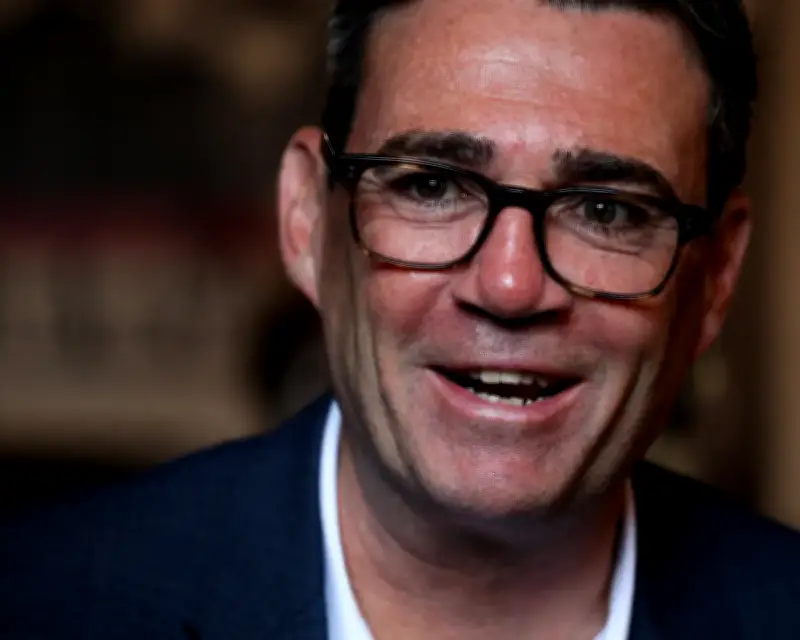
Andy Burnham, the prime minister, supported a £500,000 cap on political donations during the election campaign in May but is now resisting amendments that would introduce such a limit. The Guardian argues he was right then and is wrong now, saying that restricting a single person to giving half a million pounds a year to a political party would not damage democracy and would only affect the mega-rich.
Arguments for and against the cap
Two counter-arguments are circulating within Labour. One holds that wealthy, progressive donors should be allowed to contribute because their cash helps rebut claims that Labour is in the pocket of trade unions. The other is a union warning that a cap could undermine their ability to contribute to the party.
Neither argument holds much water, according to the Guardian. Any benefit Labour might derive from rich friends is dwarfed by the wider damage caused by parties being bankrolled by a few rich individuals. Mr Burnham has registered £345,000 of donations over the past year, including £164,000 from billionaire Lord Sainsbury. By comparison, Thai-based crypto billionaire Christopher Harborne gave Reform UK a single £9m donation in August 2025, a sum exceeding the £8m in trade union donations Labour will receive this year.

Proposed amendments and the Rycroft review
Mr Burnham could recover the situation by backing amendments from two Labour MPs. Stella Creasy's changes, which have cross-party support, start with a £500,000 cap before reducing it, while allowing parliament to alter the level. Her proposal excludes trade union political funds, recognising that money aggregated from thousands of members differs fundamentally from a donation controlled by a single billionaire or company. Anneliese Dodds, a former Labour cabinet minister, asks why the Conservatives' sharply increased election spending limits are retained if ministers believe big money in politics is a risk.
Instead of backing these measures, tabled as amendments to the representation of the people bill at next week's report stage vote, ministers are pressing ahead with elaborate rules governing where political money comes from and how it reaches parties. This year's Rycroft review, which ministers are responding to, urged parliament to consider spending limits if it wishes to restore confidence in the political process and keep big money out of UK politics. Given the scandals of recent years, the Guardian finds it astonishing that Labour is declining to regulate how much political influence any single wealthy donor can purchase.