US Judge Restricts ICE Agents in Minneapolis After Fatal Shooting of Renee Good
Judge curbs ICE tactics after fatal Minneapolis shooting

A federal judge in the United States has delivered a significant legal blow to immigration enforcement tactics, imposing strict new limits on officers in Minneapolis following a week of escalating tensions and a fatal shooting.

Court Order Halts Aggressive Tactics

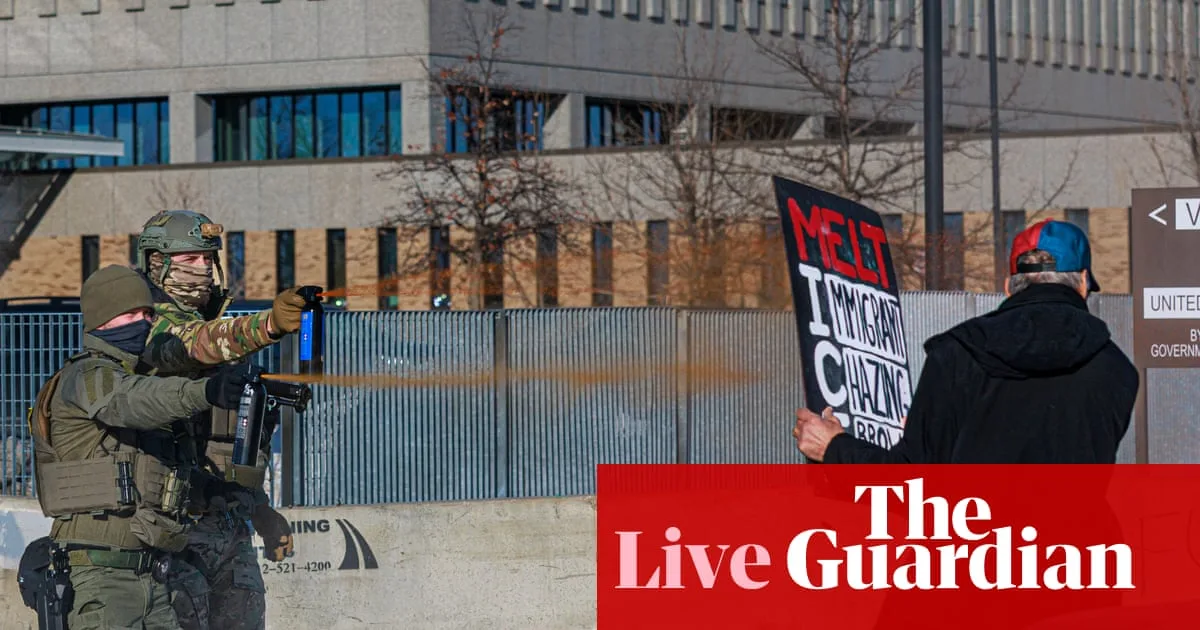
On Friday, U.S. District Judge Kate Menendez issued a temporary injunction that represents the most restrictive order given to federal agents since the killing of Renee Good last week. The ruling expressly forbids Immigration and Customs Enforcement (ICE) and Border Patrol officers from using tear gas or other chemical irritants against peaceful protesters.

Furthermore, the order prohibits agents from detaining individuals in vehicles unless there is a reasonable suspicion they are obstructing police work. Judge Menendez clarified that merely following agents at a safe distance does not justify a vehicle stop. The injunction also bars retaliation against people exercising their constitutional First Amendment rights to protest.

Wide Pickt banner — collaborative shopping lists app for Telegram, phone mockup with grocery list

Background: A Fatal Shooting and Rising Tensions

The court's intervention comes after a dramatic escalation in the Minneapolis-St. Paul area. Tensions peaked last week when ICE agent Jonathan Ross shot and killed Renee Good, a mother and U.S. citizen, as she slowly drove her car away from him. Following the incident, President Donald Trump and Vice President JD Vance swiftly defended the agent and labelled Good a "domestic terrorist" before any official investigation was concluded.

This response, alongside a wider immigration crackdown operation that began in early December, sparked mass protests. Thousands have taken to the streets in Minneapolis and across the nation demanding accountability and an end to the federal surge. Protesters and local officials, including Minneapolis Mayor Jacob Frey, have accused the masked, armoured agents of creating "chaos" and waging a "campaign of organised brutality."

Legal Challenges and Allegations of Misconduct

The judge's ruling aligns with a separate lawsuit filed by the American Civil Liberties Union (ACLU) against the Department of Homeland Security and Secretary Kristi Noem. The 72-page lawsuit, filed on behalf of three Minnesotan U.S. citizens, accuses federal officers of widespread racial profiling and unlawful detentions.

The ACLU claims masked agents are targeting Somali and Latino people based on prejudice, irrespective of their actual citizenship status. Meanwhile, reports from outlets like The Intercept suggest agents have invoked Good's death to intimidate protesters, hinting they should "learn their lesson."

Government lawyers have argued that the officers were operating within their legal powers to enforce immigration law and ensure their own safety. However, Judge Menendez's injunction now sets a clear, temporary boundary on their operations, marking a pivotal moment in the ongoing conflict between federal immigration enforcement and civil liberties in the United States.

Pickt after-article banner — collaborative shopping lists app with family illustration




