

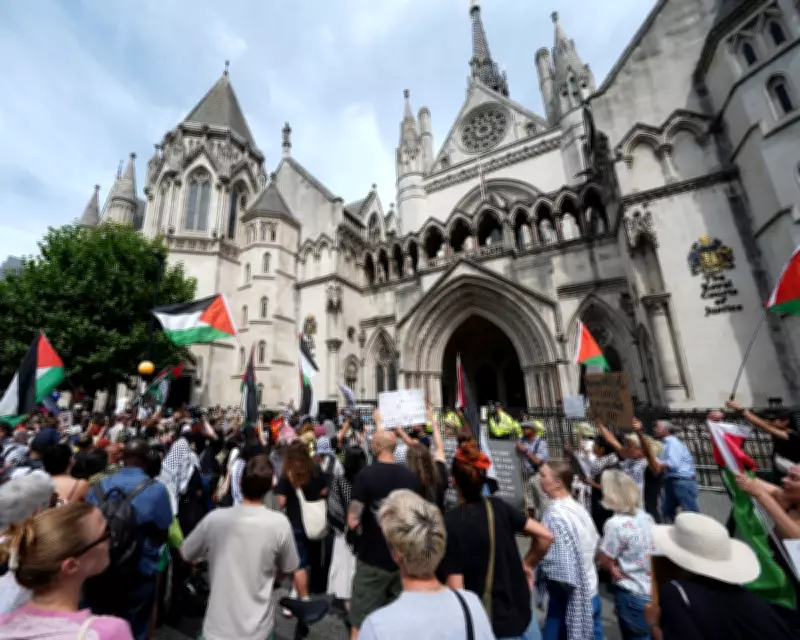
High Court to Rule on Legality of Palestine Action Terror Ban
The High Court is poised to deliver a landmark ruling on whether the Home Office's decision to proscribe Palestine Action as a terrorist organisation was lawful. This case stems from legal action initiated by Huda Ammori, the co-founder of Palestine Action, who is challenging the government's move to ban the group under the Terrorism Act 2000.
Background of the Ban and Legal Challenge
The ban, which was enacted by then-home secretary Yvette Cooper and took effect on 5 July 2025, criminalised membership of or support for Palestine Action, with penalties of up to 14 years in prison. During a hearing in November, Ammori's legal team argued that the proscription was unlawful and should be overturned. They contended that the group had engaged in an "honourable tradition" of direct action and civil disobedience prior to the ban, suggesting the government's decision was disproportionate.
Impact and Arrests Following Proscription
The court heard that since the ban was implemented, there have been over 2,000 arrests linked to Palestine Action. Those detained include a diverse range of individuals such as priests, teachers, pensioners, retired British Army officers, and even an 81-year-old former magistrate. This has raised concerns about the broad application of the terrorism legislation and its effects on civil liberties.

Home Office's Defence and Broader Implications
Lawyers representing the Home Office defended the proscription, stating it had successfully disrupted Palestine Action's "pattern of escalatory conduct." They emphasised that the ban was not intended to prevent people from protesting in support of the Palestinian people or against Israel's actions in Gaza, but rather to target specific activities deemed threatening. The ruling, expected soon, could have significant implications for how the UK government defines and handles terrorism-related cases, balancing security concerns with the right to protest.






