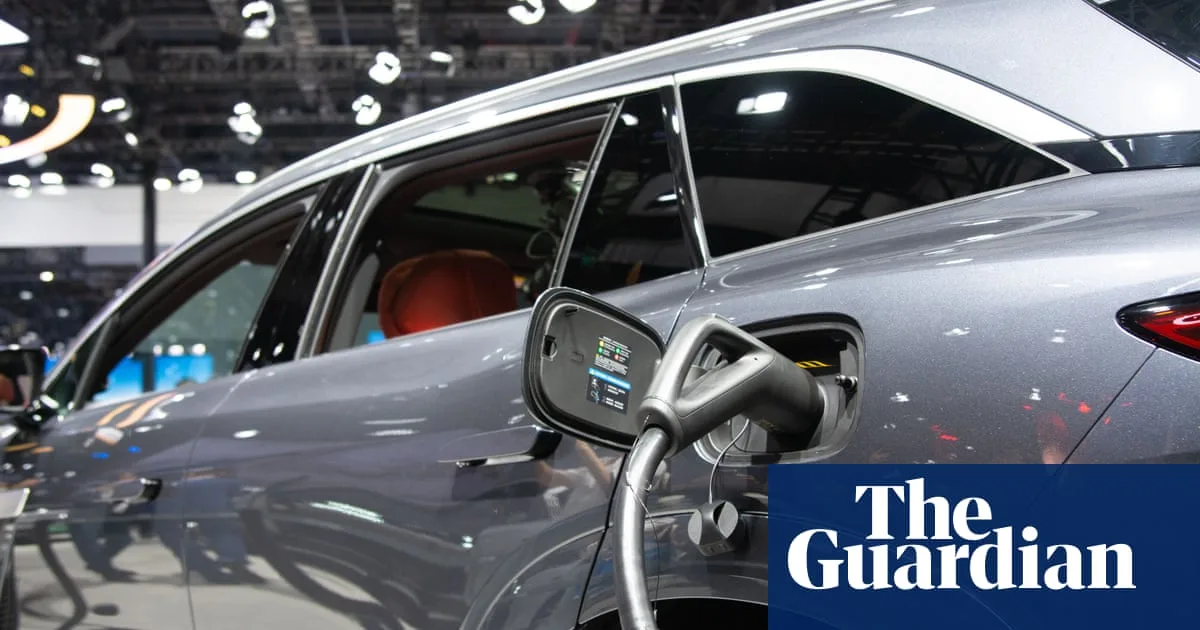
Government Spied on Millions of EV Drivers via Mobile Phones in Surveillance Scheme
Government Spied on EV Drivers via Mobile Phones in Surveillance

Government Spied on Millions of EV Drivers via Mobile Phones in Surveillance Scheme

A startling new report has exposed a government surveillance operation that tracked millions of electric vehicle drivers through their mobile phones. The initiative, described as a 'bizarre nanny state' plan, involved the Department for Transport commissioning mobile network operator O2 to spy on 25 million devices.

Details of the Two-Year Surveillance Project

The £600,000 two-year study was intended to produce what the DfT called a 'comprehensive evaluation and understanding of the uptake and usage of electric vehicles.' At the department's request, O2 tracked people's mobile phone data and monitored car journeys, with EV users specifically identified through their use of electric vehicle-related applications.

The surveillance extended beyond mere vehicle tracking. The program also monitored individuals' physical movements, with O2 sending 'anonymised and aggregated' data to the Department for Transport. According to the report, this data collection aimed to discover where electric vehicles were kept overnight, how ownership was distributed across the country, trip frequency, locations visited, and distances traveled.

Wide Pickt banner — collaborative shopping lists app for Telegram, phone mockup with grocery list

How the Surveillance Was Conducted

O2 searched through the web browsing history of its own customers and those of other networks that utilize its infrastructure to identify electric vehicle owners. These additional networks included:

  • Sky Mobile
  • Tesco Mobile
  • GiffGaff
  • Virgin Mobile

It remains unclear whether these operators were informed about the mass surveillance exercise, which O2 offers as a paid service under the brand name O2 Motion. The report raises significant questions about the extent of tracking conducted by telecommunications firms and how mobile phone providers are utilizing consumer data.

Timing and Political Context

The work was conducted under the previous Conservative government and concluded before Labour's victory in the 2024 general election. Notably, around the same period, the Department for Transport and the Treasury were exploring potential methods to introduce new taxes on electric vehicles.

The mass surveillance project ultimately ended after the DfT determined that 'mobile data cannot directly be used to provide information around charging behaviour or travel time.' This conclusion marked the termination of the controversial data collection initiative.

Government Response and Privacy Concerns

A Department for Transport spokesperson addressed the concerns, stating: 'This was a time-limited project using fully anonymised and aggregated data, with no risk of being linked to any individual's personal information or location.'

Despite these assurances, the revelation has sparked serious privacy debates about government surveillance capabilities and the ethical boundaries of data collection in the digital age. The report highlights growing tensions between technological advancement for policy purposes and fundamental civil liberties regarding personal privacy and data protection.

Pickt after-article banner — collaborative shopping lists app with family illustration




