

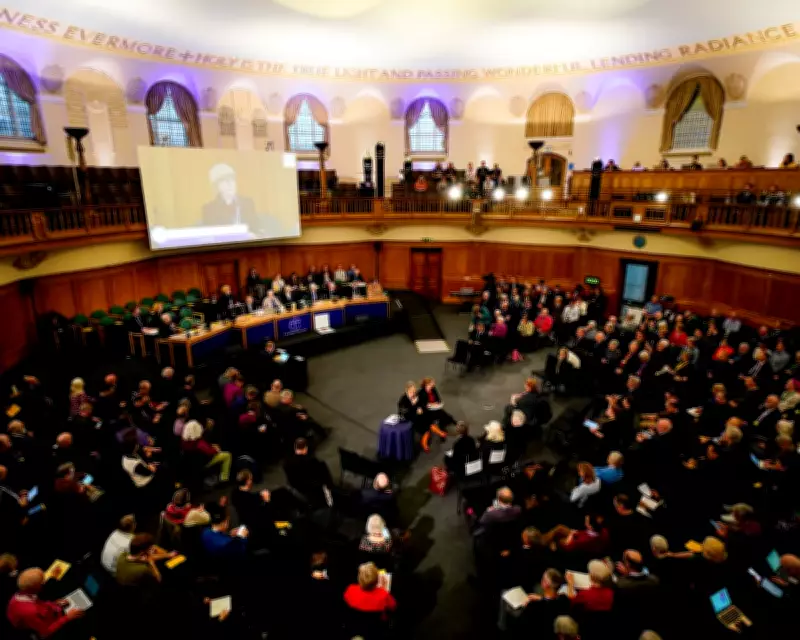
General Synod's Equal Marriage Debate: A Historical Timeline
The Church of England's General Synod has engaged in prolonged and often contentious debates regarding equal marriage, reflecting broader societal shifts and internal theological divisions. This timeline outlines the key moments in these discussions, from initial considerations to recent developments.
Early Discussions and Initial Votes
In the early 2010s, as same-sex marriage became legal in England and Wales, the General Synod began to address the issue formally. In 2013, a motion was introduced to consider the possibility of blessing same-sex unions, but it was met with significant opposition from conservative factions. The Synod voted against any immediate changes, emphasizing the traditional definition of marriage as between one man and one woman.
Subsequent years saw incremental progress, with the Synod commissioning reports and studies on human sexuality and marriage. In 2017, a landmark vote took place where the Synod rejected a proposal to allow same-sex marriages in church, but it also approved a motion to explore ways to welcome LGBTQ+ individuals more fully into the life of the church.

Recent Developments and Ongoing Debates
By the 2020s, pressure mounted for the Church of England to align more closely with secular laws on equal marriage. In 2022, the Synod debated a series of proposals, including the possibility of offering prayers of blessing for same-sex couples. While no formal change to marriage doctrine was made, the discussions highlighted a growing openness among some members.
In 2024, the Synod revisited the issue with a focus on pastoral care and inclusion. A vote was held on whether to allow clergy to conduct same-sex marriages, but it failed to achieve the necessary majority. However, the Synod did agree to continue discussions and consider further reforms in the future.
Most recently, in 2026, the General Synod has scheduled another debate on equal marriage, with expectations of new proposals that could lead to significant changes. This ongoing timeline underscores the complex and evolving nature of the Church's stance, balancing tradition with calls for greater inclusivity.
Key Takeaways- The General Synod has debated equal marriage for over a decade, with votes often reflecting deep divisions.
- Initial resistance has gradually given way to more open discussions and incremental steps toward inclusion.
- Recent debates focus on pastoral care and potential reforms, though no major doctrinal changes have been approved yet.
- The timeline highlights the Church of England's struggle to reconcile traditional teachings with modern societal values.
As the General Synod continues its deliberations, the timeline of these debates serves as a reminder of the ongoing journey toward equality within the Church of England, with future votes likely to shape its direction for years to come.






