

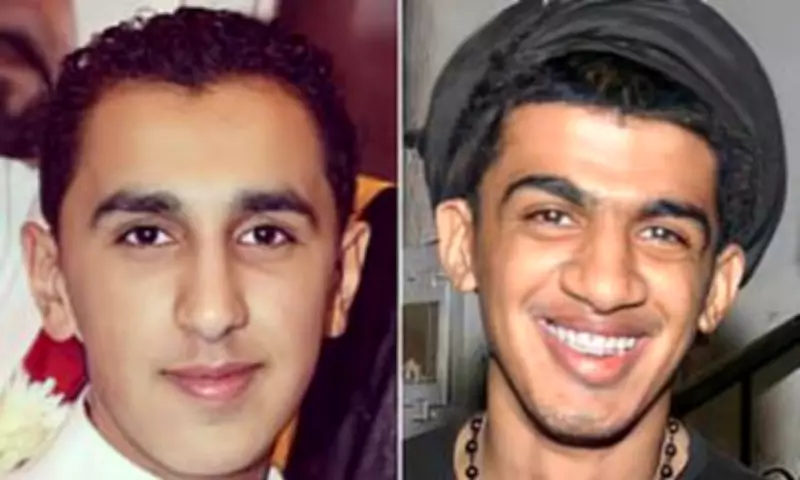
The desperate families of two young Saudi men facing imminent execution for attending protests as teenagers have penned an emotional letter to the Prince of Wales, imploring him to raise their cases during his high-profile diplomatic visit to the Kingdom next week. Prince William arrives in Saudi Arabia on Monday for a three-day official visit on behalf of the British Government, aiming to strengthen diplomatic and trade links between the two nations.
Absolute Monarchy with Notorious Human Rights Record
Saudi Arabia remains an absolute monarchy, widely condemned for its severe restrictions on political and civil liberties. Despite recent attempts to woo Western nations through high-profile sports and cultural events, the Kingdom has faced decades of criticism for systematic human rights abuses and suppression of dissent.
The Cases of Yousef al-Manav and Jawad Qureiris
The cases of Yousef al-Manav and Jawad Qureiris have gained international attention in recent years, with human rights organizations repeatedly highlighting their plight. Both men are Shia Muslims from Saudi Arabia's Eastern Province, a region with longstanding dissent against the Sunni Saudi Royal Family.

Yousef al-Manav, now 29, was arrested in 2017 at age 20 for offences allegedly committed when he was between 15 and 17 years old during the Arab Spring protests of 2011-12. According to human rights organization Reprieve, following his arrest, Yousef endured five months of solitary confinement and torture so severe that he lost consciousness and required hospitalization. He was allegedly forced to sign a confession that was later used to sentence him to death.
Jawad Qureiris, now 28, faces similar circumstances. Arrested in 2020, he was charged with various offences including attending a protest at just 13 years old, following Facebook pages, communicating with a wanted person, and using social media to undermine public order. Campaigners allege he suffered nine months of solitary confinement, severe torture, and coercion into signing a confession that led to his death sentence.
Imminent Execution Risk Despite Promised Reforms
Human rights campaigners warn that both men face immediate execution risk if the Saudi Arabian Supreme Court ratifies their death sentences. Saudi Arabia's justice system is described as notoriously opaque, meaning executions could occur without warning at any moment.
This situation persists despite Saudi authorities claiming to have abolished the death penalty for childhood crimes through a Royal Decree in 2020. However, this decree remains unpublished, and last year, the Kingdom reportedly resumed executing child defendants, putting two men to death for protest-related offences committed when they were under 18.
Families' Heart-Wrenching Appeal
In their direct appeal to Prince William, the families wrote: "We write to you as the families of Yousef Al-Manasif and Jawad Al-Qureiris, two young men in Saudi Arabia who now face the imminent risk of execution, despite having been children at the time of the alleged events."
They described living with "constant and unbearable fear" that their sons could be executed without warning, adding: "Our children have suffered enough, and our families have endured years of anguish, uncertainty, and pain alongside them."
The families specifically appealed to Prince William's known commitment to children's rights, stating: "Our sons were children when their freedom was taken away, and they continue to pay the price for acts alleged against them as minors. We believe that children should be protected - not executed."
Broader Pattern of Repression
Reprieve reports that under Crown Prince Mohammed bin Salman's de facto leadership, execution rates in Saudi Arabia have soared dramatically - from an average of 71 people annually before 2015 to nearly 400 recently. Most executions, they argue, are for non-violent offences.
The organization notes that dissenters are regularly arrested, tortured into making false confessions to "terrorism" offences, and tried in the ultra-secretive Specialised Criminal Court, often without legal representation.

Diplomatic Opportunity and Historical Precedent
Prince William's visit comes at a sensitive time, with the future king expected to meet Crown Prince Mohammed bin Salman, who has been accused of ordering the murder of journalist Jamal Khashoggi in 2018. MBS, as he is known, has described the killing as a "huge mistake" while denying personal involvement.
Jeed Basyouni, head of Middle East and North Africa death penalty projects at Reprieve, told the Daily Mail: "Mohammed bin Salman decides who lives and dies in Saudi Arabia and could stop these executions and free Jawad and Youssef with a click of his fingers. Prince William has a unique opportunity to ask the Crown Prince to do this personally."
There is precedent for successful British intervention. Child defendants Ali al-Nimr, Abdullah al-Zaher and Dawood al-Marhoun were spared execution and eventually released following representations from the UK Government.
A coalition of human rights organizations has also sent a separate letter to Prince William, appealing to his advocacy for children's rights through the Royal Foundation and Heads Together campaign. They highlighted the men's personal dreams - Yousef loved art and horse riding, aspiring to become a car mechanic, while Jawad had a passion for raising birds and excelled academically.
The letter poignantly stated: "Their dreams will die with them – unless someone intervenes to stop their executions. Will you speak up for them?"
As Prince William prepares for his first visit to Saudi Arabia, where he will meet young Saudis and discuss sustainability efforts, human rights advocates hope he will use his unique diplomatic position to advocate for these two men whose childhood actions have placed them on death row.





