

Chicago Shooting Documents Reveal DHS Misinformation and Mishandled Probe
Attorneys for a Chicago woman shot multiple times by a Border Patrol agent last year have released videos, texts, and emails that they say demonstrate how the Trump administration mishandled investigations and spread misinformation. The evidence, made public on Wednesday, shows a top Border Patrol commander praising the agent involved and reveals instances where the Department of Homeland Security (DHS) made false claims about the victim.
Details of the Shooting and Investigation
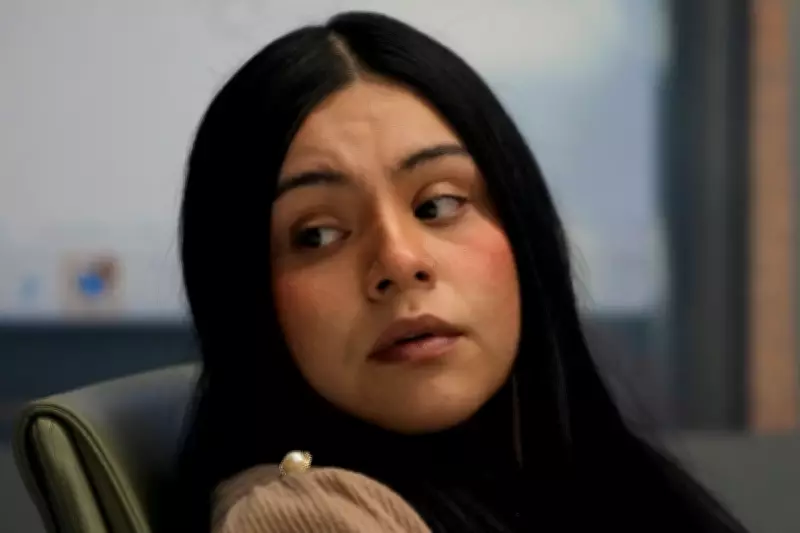
Marimar Martinez, a teaching assistant and U.S. citizen, was shot five times by a Border Patrol agent in October while in her vehicle. Homeland Security officials initially charged her with a felony, accusing her of attempting to ram agents with her car. However, the case was abruptly dismissed after videos emerged showing an agent steering his vehicle into Martinez's car.
Her attorneys pushed to make evidence from the now-dissolved criminal case public, motivated in part by a similar incident where a federal agent fatally shot Minneapolis woman Renee Good. They outlined how DHS lied about Martinez after the shooting, including labeling her a "domestic terrorist" and accusing her of having a history of "doxxing federal agents." Martinez has no criminal record, and prosecutors have not provided evidence for these claims.

Released Evidence and Official Reactions
At a news conference, attorney Christopher Parente stated, "This is a time where we just cannot trust the words of our federal officials." The released evidence included an agent's hand-drawn diagram of the scene alleging that Martinez "boxed in" federal agents, which Parente said featured three vehicles that "don't exist." Many of the emails, text messages, and videos were released the night before by the U.S. attorney's office, while DHS did not immediately return a message on Wednesday.
The shooting occurred during a heightened Chicago-area immigration crackdown, marked by arrests, protests, and tense standoffs. Weeks before Martinez was shot, agents fatally shot a suburban Chicago dad in a traffic stop. The government unsuccessfully fought the release of documents, including an email from Gregory Bovino, a Border Patrol commander who led enforcement operations in several cities. Bovino wrote to agent Charles Exum on October 4, "In light of your excellent service in Chicago, you have much yet left to do!!" In an agent group text, others congratulated Exum, calling him a "legend" and offering to buy him beer.
Legal Proceedings and Public Statements
U.S. District Judge Georgia Alexakis lifted a protective order last week, allowing the latest documents to become public. Federal prosecutors had argued the documents could damage Exum's reputation, but Alexakis noted the federal government showed "zero concern" about ruining Martinez's reputation. On the day of the shooting, Martinez had followed agents' vehicle and honked her horn to warn others of immigration agents' presence. Body camera footage showed agents with weapons drawn rushing out of their vehicle, with one agent saying, "It's time to get aggressive and get the (expletive) out."
Martinez, who sat near her attorneys during the news conference, was largely silent and declined an Associated Press interview request. However, she has spoken to local media and before lawmakers in recent weeks. Earlier this month, she testified before congressional Democrats to highlight use-of-force incidents by DHS officers, with members of Good's family also speaking. Martinez is scheduled to attend President Donald Trump's State of the Union address as the guest of U.S. Rep. Jesus "Chuy" Garcia.

Aftermath and Legal Actions
Martinez was hospitalized before being taken into FBI custody, which still has her car. She said the incident has left her with mistrust of law enforcement, which accused her of being armed. Martinez has a valid concealed-carry license and had a handgun in her purse; attorneys showed a picture of it in a pink holster at the bottom of her purse, stating it remained there during the encounter. In her congressional testimony, Martinez expressed concerns about discrimination and abuse of authority, saying, "They are not targeting the worst of the worst, they are targeting individuals who fit a certain profile, who simply have a certain accent, or a non-white skin color just like mine. The lack of accountability for these actions is deeply troubling."
Martinez's attorneys plan to pursue a complaint under the Federal Tort Claims Act. If the agency denies the claim or does not act on it within six months, they can file a federal lawsuit to seek justice and accountability for the mishandled investigation and spread of misinformation.





