

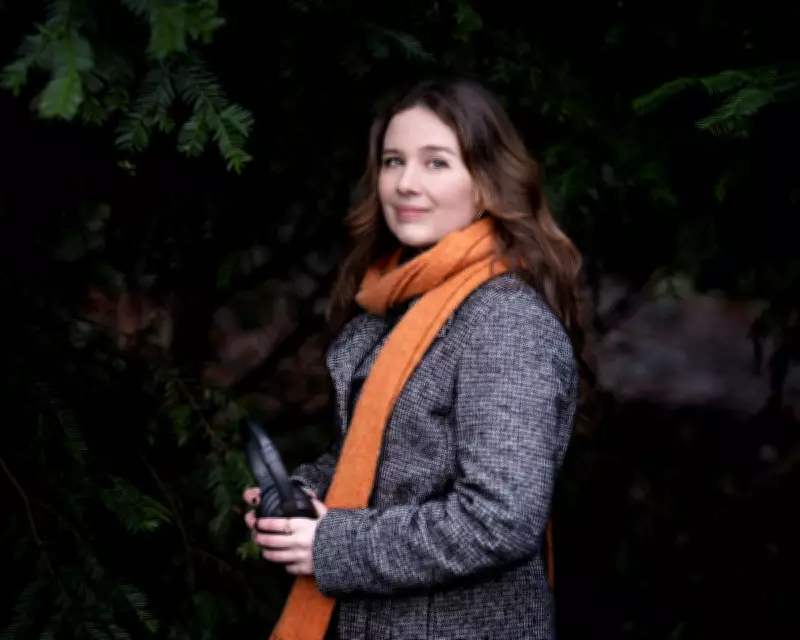
For years, Ella Hopkins traversed the bustling streets of London enveloped in a cocoon of sound, her noise-cancelling headphones blaring playlists, political podcasts, or lengthy voice notes from friends. This auditory shield kept her a million miles away from her physical surroundings, until one damp January evening last year when a dead battery forced a change. Walking home from her parents' house without her usual audio barrier, she spotted a small figure slumped on the pavement with closed eyes—a sight she might have missed entirely if lost in her own sonic world.
A Critical Moment of Awareness
Approaching the stranger, Ella asked for her name repeatedly, her voice tightening with each attempt. There was no response, and alarmingly, the woman did not appear to be breathing. Ella's mind raced back to a school first aid class, but drawing a blank and fearing she might make a mistake, she dialled 999. The call handler guided her through chest compressions timed to a count, a frantic effort that culminated in the stranger taking a breath just as sirens wailed in the distance. Once paramedics arrived and the woman could speak her name, Ella departed, adrenaline surging as she mistakenly boarded the wrong train.
Rediscovering the World Beyond Headphones
That night became a turning point, prompting Ella to resolve to be more attuned to her environment. She realised that while headphones offered comfort, they also dulled and separated her from the world. Removing them revealed a rich tapestry of sounds previously muted: hedges humming with bees, snippets of conversations about dates, and preachers shouting about salvation. She no longer insulated herself from urban chaos, whether it was a teenager on a stolen Lime bike with a beeping alarm or a creaking train door that she alone noticed and fixed.

Ella discovered joys she had been missing, such as a boy in Essex hawking painted pebbles like a 19th-century trader or a hedgehog's banshee-like screech during a scuffle with a blackbird. She even learned to identify bird calls, picking out a robin's song or a jay's croak amidst squalling parakeets, inspired by Jenny Odell's book on birdwatching. This newfound awareness made her more open to public interactions, though it also made her a target for tourists seeking directions—often to their disappointment when she relied on Google Maps like them.
Balancing Sound and Silence
Despite embracing this change, Ella acknowledges that headphones still have their place. She refuses to run without blasting Cuban music to sync her steps or board an aeroplane without an audiobook. However, these uses are now conscious choices rather than crutches, allowing her to zone out intentionally when needed. Reflecting on that January night, she may never know what happened to the stranger, but she is grateful she was paying attention, a small act that transformed her perspective on urban life and connection.






