

Nationwide Rebranding of César Chavez Day Amid Sexual Abuse Allegations
From California to Minnesota, elected officials and civil rights organizations are urgently distancing themselves from César Chavez's name in response to allegations that he sexually abused women and girls during the 1960s, as he rose to prominence as a leader of the farmworkers' movement. The efforts to rebrand events traditionally held on his birthday, March 31, have been rapid and extensive, driven by a mix of emotion and a sense of duty to the broader labor cause.
Swift Legislative and Community Actions
In Minnesota, lawmakers recently voted to abolish the state holiday honoring César Chavez, while California Governor Gavin Newsom signed legislation renaming it as Farmworkers Day. Colorado is considering a similar bill to change its voluntary state holiday to Farm Workers Day. At the community level, Tucson, Arizona, replaced its celebration with a community and labor fair, Grand Junction, Colorado, rebranded it as the Sí, Se Puede Celebration, and El Paso, Texas, will observe Tuesday as Community and Labor Heritage Day.
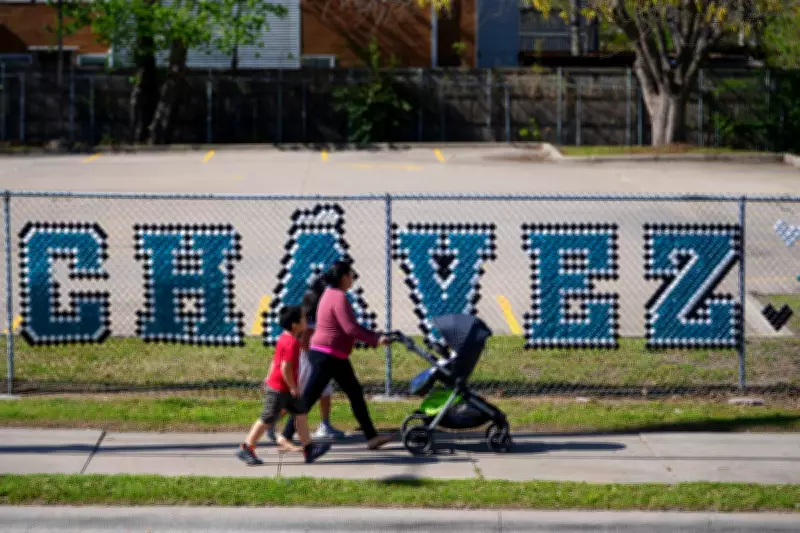
Renaming initiatives are also underway for numerous schools, streets, and other sites across the United States named after Chavez, including the national monument in Keene, California. These changes have sparked difficult conversations as supporters wrestle with conflicted emotions, balancing the desire to honor a pivotal labor and civil rights movement with the gravity of the allegations.

Emotional Fallout and Personal Betrayal
Feelings of disappointment, disbelief, and anger have created an emotional cocktail for those navigating this transition. The New York Times reported that César Chavez groomed and sexually abused young girls involved in the movement, with co-founder Dolores Huerta revealing she was a victim in her 30s. "It was a personal hurt and a betrayal," said Jose Luis Chavez, founder of the committee that organized the César Chavez Celebration in Mesa County, Colorado, for the past decade. He emphasized that his committee and community are experiencing deep hurt and anger, though he is not related to the civil rights leader.
In Grand Junction, the annual event, originally aimed at educating students about marginalized communities, has grown into a gathering with music, food, classic cars, and scholarship awards. Canceling it was not an option; instead, organizers adjusted the logo to include "Sí, se puede" and used social media to announce the new name, reflecting a commitment to continue despite the controversy.
Broadening Focus and Community Resilience
In Tucson, the annual César Chavez and Dolores Huerta March and Rally was scaled back and rebranded as the Comunidad y Labor Unity Fair, focusing broadly on labor rights without mentioning Chavez. Organizers with the Arizona César E. Chávez + Dolores Huerta Holiday Coalition urged supporters to persist, stating in a social media post: "Even when we thought about canceling, we chose to keep going, because this movement is bigger than a name or one person. No single individual defines it. … We, the working people, do."
This sentiment has echoed widely since the allegations surfaced. While some in Texas and elsewhere advocate for eliminating the holiday entirely, many groups are driven by a duty to preserve the movement's overall legacy. Sehila Mota Casper, executive director of Latinos in Heritage Conservation, noted that each community must navigate this process differently, emphasizing the need for due process and decisions that reflect local values.
Complex Decision-Making and Historical Reflection
In Albuquerque, the annual march was canceled for unrelated reasons before the news broke, but the city is now beginning to address name changes for roads and public spaces. City Councilor Joaquín Baca, whose district includes roads named after both César Chavez and Huerta, described a complex process requiring time and public input. He and his family are even reconsidering a poster of Chavez and Huerta in their home, highlighting the personal stakes involved.

Baca reported receiving a flood of communications, ranging from demands to remove all references to Chavez to calls for a broader recognition of farmworkers' rights. "It’s every side on every issue within the context of this," he said. "So for me, it has been a lot of listening at this point." Mota Casper added that this moment offers an opportunity for leaders to pause and expand the narrative around Chavez's legacy, acknowledging both his contributions and flaws. "We have to be able to talk about it," she stressed, advocating for a nuanced approach to history that doesn't simplify or gloss over complexities.





