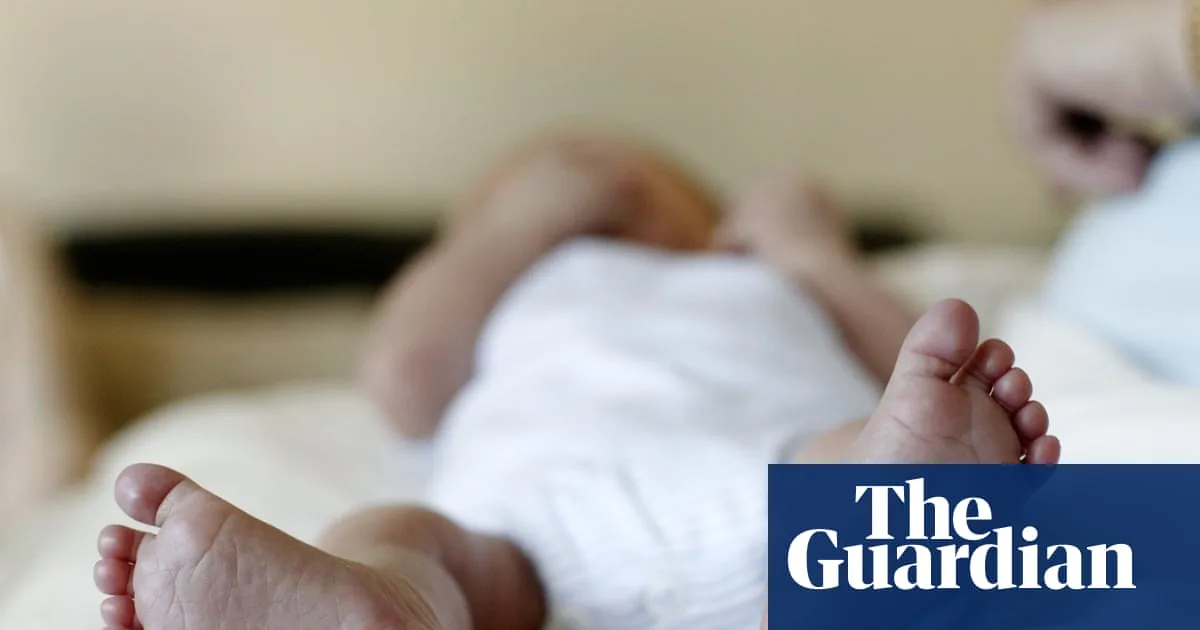
CPS Draft Labels Circumcision as Possible Abuse, Sparks Faith and Safety Debate
Circumcision Debate: CPS Draft Sparks Faith vs Safety Row

A draft document from the Crown Prosecution Service (CPS) has ignited a fierce national debate by classifying the circumcision of male infants as possible child abuse. The guidance, which emerged in January, has drawn strong reactions from religious communities, medical ethicists, and men who feel harmed by the procedure.

Faith Leaders Call for Regulation, Not Ban

Rabbi Dr Jonathan Romain, convenor of the Rabbinic Court of Great Britain, responded to the draft by arguing against an outright ban. He emphasised that circumcision is a longstanding and important tradition for Jewish and Muslim communities. Instead of criminalising the practice itself, he advocates for a strict regulatory framework.

"I would welcome criminalising circumcision if it was performed by an unqualified person," Rabbi Romain stated. His proposed solution is a nationally accredited scheme that would mandate compulsory training for practitioners, monitor all cases, and require annual reports. This approach, he argues, would protect child safety while respecting religious integrity and clamping down on "rogue practitioners."

Wide Pickt banner — collaborative shopping lists app for Telegram, phone mockup with grocery list

Voices of Opposition: "Nonconsensual Mutilation"

Countering the religious defence, several readers shared powerful personal testimonies. One anonymous Jewish man directly challenged a claim made by Jonathan Arkush, former president of the Board of Deputies of British Jews, who said he had "never met any Jewish man who thinks they’ve been harmed by circumcision."

"I am a Jewish man who thinks he has been harmed by circumcision, and there are plenty of others," the reader wrote. He cited the US organisation Bruchim, which supports Jews opposed to the practice. His argument centres on consent: male circumcision plainly involves nonconsensual mutilation of an infant’s body, and tradition does not justify it, any more than it would for female genital mutilation.

Personal Anguish and Theological Contradiction

Another poignant response came from 89-year-old Ray Fitton from Newlyn, Cornwall. He revealed he was circumcised as a baby due to a medical necessity but has felt disfigured and uncomfortable about it most of his life. He fully endorses the CPS's draft guidance.

Mr Fitton also raised a theological paradox, questioning how religions that believe "God made man in his own image" then proceed to "‘improve’ God’s work by deforming a child for ‘religious reasons’." He suspects the practice originated for other reasons and was later justified on religious grounds.

The Path Forward: A Clash of Rights

The draft CPS document has thrust a deeply personal and culturally sensitive issue into the legal and public spotlight. The core conflict pits the right to religious freedom against the right of a child to bodily integrity and autonomy. As the consultation develops, the government faces the difficult task of balancing these competing rights, with potential implications for millions of families across the UK. The call from figures like Rabbi Romain for a robust middle-ground regulatory solution may become a central focus of the ensuing policy discussion.

Pickt after-article banner — collaborative shopping lists app with family illustration




