

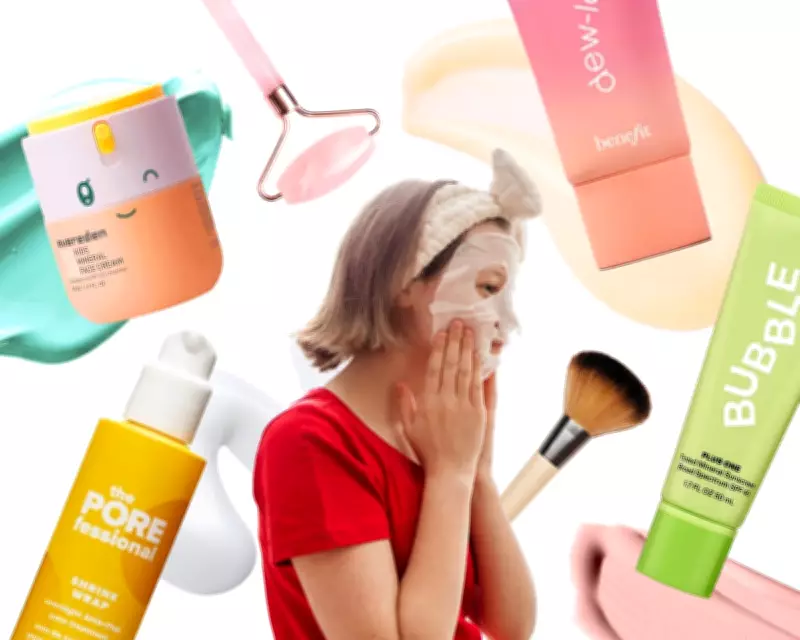
TikTok Child Skincare Influencers Operate in Legal Grey Area
Dermatologists are raising alarms that children do not require most skincare products, yet a rapidly growing trend on social media sees young influencers as young as 13 promoting these items to their followers. This practice exists in a murky legal zone, with regulators expressing concern over potential exploitation and lack of clear guidelines.
Investigations into Major Beauty Brands
The Italian Competition Authority (AGCM) has launched an investigation into luxury goods company LVMH, which owns brands like Benefit and Sephora. The probe focuses on allegations that these companies used "particularly insidious" strategies involving young micro-influencers to market anti-ageing treatments to children under 10. According to the AGCM, the brands may have failed to clarify that their cosmetics were not intended for children, instead encouraging purchases through covert marketing tactics.
LVMH has stated that it, along with Sephora and Benefit, will fully cooperate with authorities, emphasizing strict compliance with Italian regulations. However, the company declined to provide further comment on the ongoing investigation.

Ambassador Programmes Targeting Minors
An investigation by the Guardian uncovered numerous videos where young individuals thank brands for free products received through ambassador programmes. These schemes often accept children as young as 13, offering free items in exchange for promotional content online. For instance, the US skincare brand Evereden runs a programme with no official age limit, simply stating it loves "all ages and all stages." Some influencers linked to Evereden appear to be as young as 12, though the brand requires parental consent for participants under 18.
Evereden did not respond to requests for comment and did not clarify the minimum age for its ambassador programme. On its website, the brand claims to partner with young creators responsibly, requiring parental consent for all collaborations involving minors.
Similarly, the youth skincare brand Bubble previously accepted ambassadors as young as 13 but now requires participants to be at least 16 years old, with parental consent for those under 18. A spokesperson for Bubble asserted that the brand does not partner with or pay children to promote products, highlighting clinical safety testing on consumers aged eight and up. However, one teenager recruited before the policy change remains in the programme, with her parents informed of the updates.
Regulatory Gaps and Legal Blurriness
Experts point out that child influencers lack the protections afforded to child actors and models, such as limits on working hours. Dr Francis Rees, a law lecturer at the University of Essex, notes that advertising law primarily focuses on consumer protection rather than safeguarding the children creating content. She explains that brands and agencies have no duty of care to child influencers, as contracts are typically with parents, who are expected to provide safeguarding.
Christopher Gabbitas, a partner at Keystone Law, adds that influencer arrangements must be assessed case-by-case, with points, gifts, or products counting as remuneration. He describes cross-border schemes, like those governed by US law, as operating in a "wild west" with minimal oversight.
Personal Experiences and Parental Perspectives
One 16-year-old influencer shared that she is usually compensated with products rather than payment, receiving only £100 for one video. Her mother acknowledged the risks of unpaid labour but highlighted benefits such as increased confidence, communication skills, and media literacy. She emphasized the importance of parental involvement to help contextualize these experiences and ensure fair treatment.
The mother also noted that as her daughter focuses on A-levels and university plans, they have become more selective about opportunities, declining invitations that involve excessive time commitments without adequate compensation. This reflects a broader concern about exploitation in the digital space.

Advertising Standards and Compliance Issues
The Advertising Standards Authority requires influencer content to be clearly labelled as advertising, warning that simply mentioning an ambassador relationship in a bio is insufficient. This leaves young influencers at risk of breaching rules without fully understanding their obligations, further complicating the regulatory landscape.
Overall, the world of child skincare influencers on TikTok highlights significant gaps in regulation, with dermatologists' warnings going unheeded as brands continue to target young audiences. The need for clearer legal frameworks and ethical practices is urgent to protect minors from exploitation while acknowledging the potential benefits of digital engagement.





