

Campaigners Express Confidence in Single-Sex Spaces Guidance After Ministerial Meeting
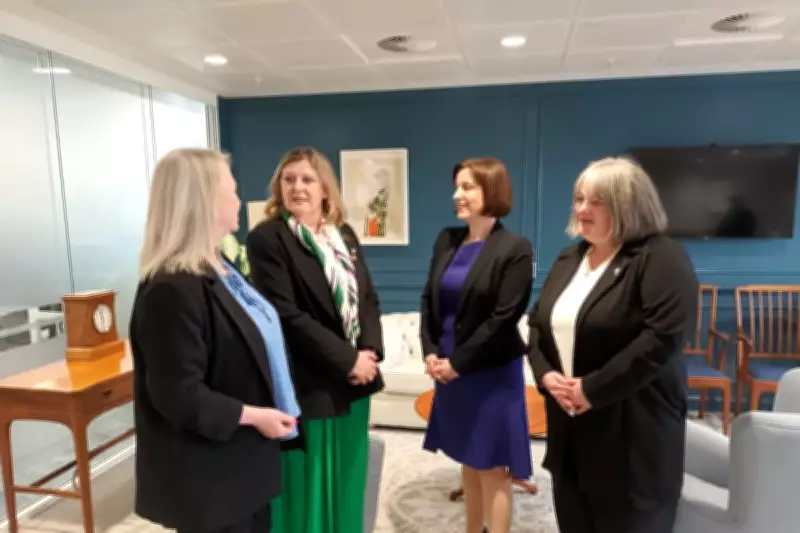
Campaigners who secured a landmark legal victory in the UK's highest court regarding the definition of a woman have stated they are "quietly confident" that long-awaited guidance on single-sex spaces has not been watered down. Representatives from For Women Scotland (FWS) described their meeting with Women and Equalities Minister Bridget Phillipson on Wednesday as "positive" and constructive.
Legal Background and Campaigner Concerns
The Supreme Court ruling on April 16 last year definitively confirmed that the terms "woman" and "sex" within the 2010 Equality Act "refer to a biological woman and biological sex." While celebrated by some as affirming that "women are women and men are men," others expressed concern about potential implications for transgender individuals' access to facilities like toilets and changing rooms.
During the meeting, campaigners pressed for details on changes made to the draft guidance and sought clarity on the expected publication timeline ahead of parliamentary scrutiny. The updated draft code of practice, intended to guide businesses and organizations on providing single and separate-sex services, was submitted to ministers by the Equality and Human Rights Commission (EHRC) last September.

Reassurances and Specific Adjustments
FWS director Susan Smith revealed to the Press Association that campaigners had felt "a little nervous" amid concerns the guidance might have been toned down. Although specific details of the changes were not disclosed, they understood revisions included adding more practical examples for service providers on implementing the updated code.
"I don't think the guidance can be watered down in the sense that whatever the EHRC comes up with has to adhere closely to the Supreme Court's ruling," Smith stated. "So I think we can be pretty confident, quietly confident, that that will be alright. I think if the changes are around strengthening advice to duty bearers, that's a positive, because businesses and service providers will be looking for examples that they can use day-to-day."
Publication Timeline and Political Context
Smith described the tone of the meeting with Minister Phillipson as "very positive" and noted they received reassurance that, while no exact date was provided, the guidance would be published in May. "We have a reassurance that it is not open-ended and it will be laid at a date in May," she confirmed.
This development comes despite accusations from some quarters that the government has delayed the guidance, with Maya Forstater, chief executive of gender critical campaign group Sex Matters, claiming the government had "found another excuse for delaying the guidance" by citing the upcoming election period.
Regulatory Process and External Reactions
After receiving ministerial approval, the code of practice will be presented to Parliament for scrutiny by both the Commons and the Lords. The guidance would not become enacted until 40 days after being laid in Parliament. While a vote is not required to enact the code and make it statutory, either House could pass a motion to reject it within that period.
EHRC chairwoman Mary-Ann Stephenson confirmed this week that a slightly amended draft had been submitted to the government, stating: "Having considered this (Government) feedback alongside consultation responses and further legal analysis, we have made adjustments where they help the code provide legally accurate, practical guidance that is useful to duty bearers."
LGBTQ+ organization Stonewall responded positively, saying it was "pleased to see the Government and EHRC working constructively to ensure the code is legally accurate and supports service providers to treat everyone with equal dignity and respect."
Ministerial Perspective and Future Outlook
Minister Bridget Phillipson, who has previously insisted the government would not be rushed into publishing the guidance, emphasized: "We are getting it right, showing leadership by implementing the clarity the Supreme Court ruling delivers." She added that the legal ruling "brought clarity for women and service providers such as hospitals and refuges, and made clear that protections for trans people remain in the Equality Act."

Smith acknowledged that while she and fellow campaigners had not expected to still be awaiting the updated guidance a year after the ruling, "we knew that there would be challenges and that there would be some people who would be still trying to fight this." She concluded: "That's not going to go away anytime soon, but we will keep on going."





