

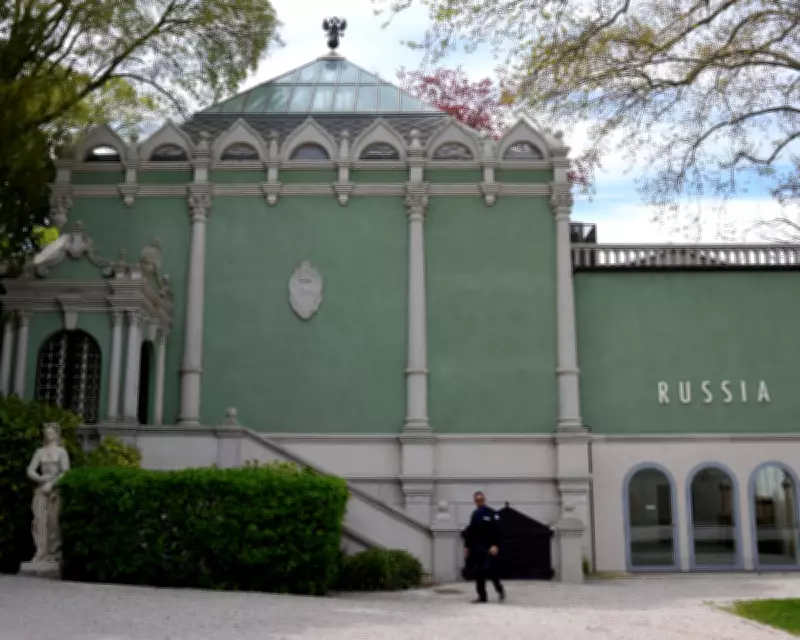
The Venice Biennale jury has made a controversial decision not to award prizes to artists representing countries that are facing accusations of war crimes, specifically naming Israel and Russia. This unprecedented move has ignited a fierce debate within the art world about the intersection of politics and cultural recognition.
Jury's Stance on Geopolitical Conflicts
The jury, responsible for selecting the winners of the prestigious Golden Lion awards, announced that they would not consider works from nations implicated in ongoing armed conflicts that violate international law. This decision directly impacts the national pavilions of Israel and Russia, whose artists were excluded from contention for top honors.
Reactions from the Art Community
Artists and critics have expressed mixed reactions. Some applaud the jury for taking a moral stand against what they see as complicity in state violence, while others argue that art should remain separate from politics. The Israeli and Russian pavilions have both issued statements expressing disappointment, claiming the decision undermines the spirit of artistic freedom.

The Biennale's organizers have emphasized that the jury acted independently and that the decision reflects a broader shift in cultural institutions towards addressing human rights concerns. This is not the first time the Venice Biennale has waded into political waters, but it is arguably the most direct action taken against specific nations.
Implications for Future Biennials
This ruling sets a precedent that could influence future international art exhibitions. It raises questions about the role of artists as representatives of their home countries and whether cultural events should serve as platforms for political protest. As the art world grapples with these issues, the Venice Biennale remains at the center of a global conversation about ethics and aesthetics.






