

Court Ruling on Animal Cruelty Footage Threatens Press Freedom in Australia
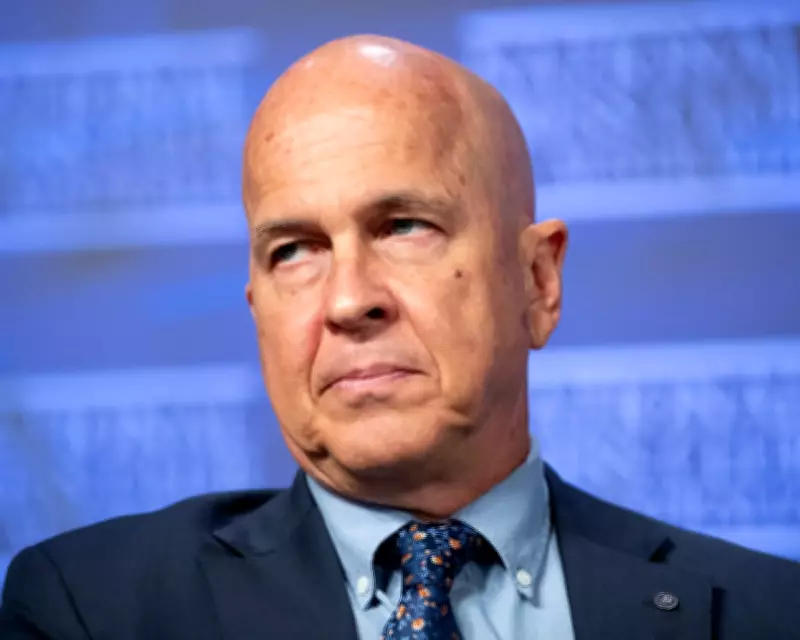
A landmark court case in Australia, centred on covertly recorded footage of alleged animal cruelty, has raised alarm over its potential to severely undermine press freedom. Peter Greste, executive director of the Alliance for Journalists’ Freedom, has warned that the legal battle carries profound and grave consequences for the media's ability to expose wrongdoing.
Unprecedented Copyright Finding
The high court is currently considering a pivotal dispute involving the Farm Transparency Project, a group of activists known for breaking into abattoirs to install hidden cameras. In 2023, the project infiltrated a slaughterhouse owned by the Game Meats Company in Eurobin, Victoria, capturing footage that activists claim shows animal cruelty. After sharing the material with the federal department of agriculture and receiving no substantive response, the activists published some footage online and provided it to a Channel Seven news journalist.
The abattoir has argued that it holds copyright over the footage, not the activists, and seeks a permanent ban on its possession or sharing by the Farm Transparency Project. The full bench of the federal court accepted this argument, marking the first time such a finding has been made in Australian law. This decision conflicts with the general legal principle that copyright belongs to the creator of the film.

Broader Implications for Media
This ruling has significant implications for the media's use of covertly recorded footage, even when it serves to expose misconduct. Concerns are so substantial that the Human Rights Law Centre and the Alliance for Journalists’ Freedom have intervened in the high court proceedings, urging that their perspectives be considered before a final judgment.
Greste emphasised in a statement that the case has "significant press freedom implications," warning it could provide those seeking to conceal wrongdoing with additional legal tools to suppress public interest journalism. He described the ruling as unprecedented and a troubling development in Australian law, prompting their intervention to offer a public interest viewpoint.
Legal and Ethical Debates
Kieran Pender, associate legal director of the Human Rights Law Centre's whistleblower project, argued that the case might equip wrongdoers with "another tool to hide corruption." He noted that whistleblowers and journalists sometimes act in ways that could be deemed unlawful to highlight public interest concerns, and the law should not allow perpetrators to use copyright to hide evidence and prevent reporting.
In response, solicitor David Henderson, representing the Game Meats Company, disputed this characterisation, stating the case does not address whistleblowers, journalists, or regulatory bodies. He asserted that the action was taken in response to illegal break-ins and trespassing by the Farm Transparency Project, aiming to prevent the use of footage obtained through unlawful conduct. Henderson highlighted that no regulator or court has found the abattoir engaged in wrongdoing.
Background and Suppressed Footage
The footage in question was forwarded to the federal department on 3 May 2023, before being sent to 7News Border, which planned to broadcast an extract on 17 May. However, the Game Meats Company served temporary injunctions, blocking publication. Karl Texler, a veterinarian from the Department of Agriculture, Fisheries and Forestry, testified in federal court that the footage "does not substantially demonstrate animal cruelty."
In submissions to the high court, the abattoir's lawyers argued that the repeated trespass infringed its right to exclusive possession of its premises, including the right to exclude others from viewing or publicising activities within. They contended that as long as the Farm Transparency Project retains and intends to publish the unlawfully captured images, the injurious consequences of the trespass will persist.
This case underscores a critical tension between property rights, copyright law, and the role of the press in holding entities accountable, with potential ramifications for investigative journalism across Australia.






