

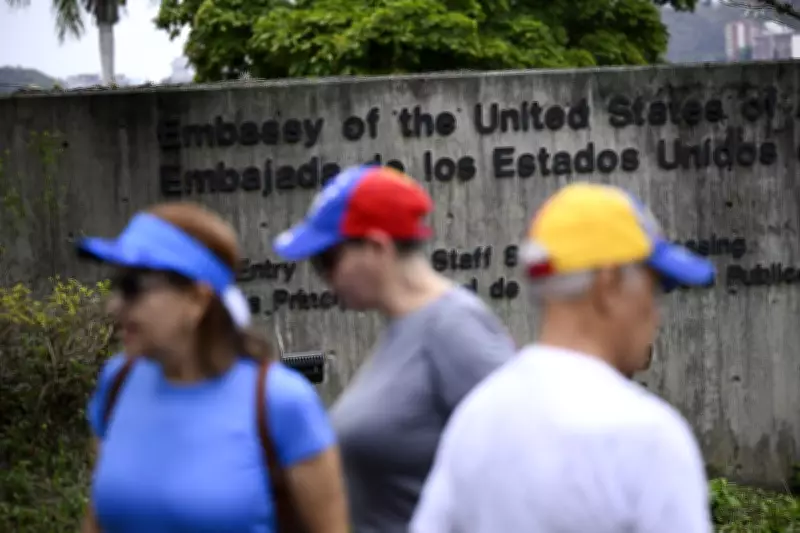
The United States has seen a significant increase in visa refusal rates for applicants from several key countries, including Mexico and India, according to recent data. The trend underscores the tightening of immigration policies under the current administration, which has prioritised stricter border controls and reduced legal immigration channels.
Rising Refusal Rates
Data from the US State Department shows that refusal rates for non-immigrant visas, such as B-1/B-2 tourist and business visas, have climbed sharply since 2020. For Mexican applicants, the refusal rate reached 40% in the last fiscal year, up from 30% five years ago. Similarly, Indian applicants faced a refusal rate of 35%, compared to 25% previously. Other countries with notable increases include China, the Philippines, and Nigeria.
Impact on Applicants
The rising refusal rates have created uncertainty for millions of people seeking to visit, study, or work in the United States. For many, the visa process has become more costly and time-consuming, with longer wait times for interviews and more rigorous documentation requirements. Immigration advocates argue that the policies are harming families and businesses that rely on cross-border travel.

- Increased scrutiny of applicants from high-risk countries
- Stricter enforcement of immigration laws
- Longer processing times and higher denial rates
The administration has defended its approach, citing national security concerns and the need to protect American jobs. However, critics contend that the policies are overly restrictive and damage the country's global reputation.
Economic and Diplomatic Repercussions
The visa crackdown has also had economic and diplomatic consequences. Business leaders warn that the decline in foreign visitors and students could hurt the US economy, which relies heavily on international tourism and education. Meanwhile, diplomatic relations with affected countries have become strained, with some nations threatening reciprocal measures.
As the debate over immigration continues, the Biden administration faces pressure to balance security with openness. The coming months will be critical in determining whether the current trend persists or if policy adjustments are made.






