

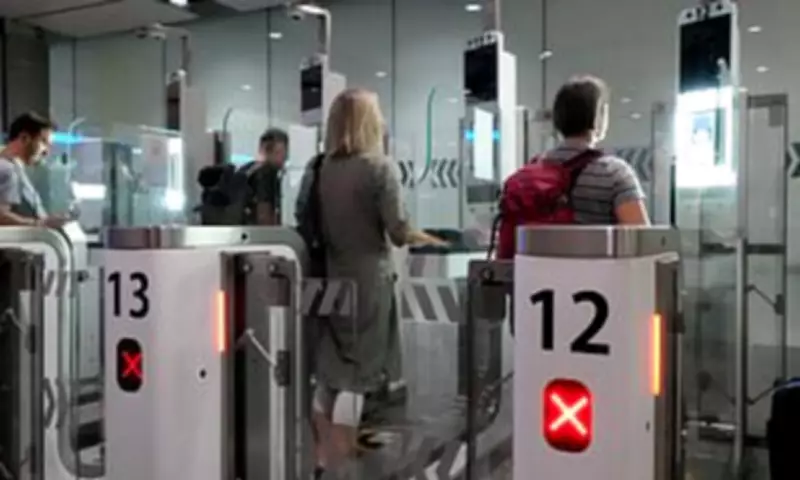
The Home Office has announced that electronic gates (e-gates) at UK airports will soon permit entry to children aged eight and nine. To use the e-gates, children must be at least 120cm tall to be detected by biometric scanners and must be accompanied by an adult. Currently, e-gates are only available to those aged 10 and above, but the new rule will take effect on 8 July.
Expansion Impact
The government estimates that approximately 1.5 million additional children will be able to use the e-gates for entry into the country. This change will apply to over 290 e-gates across 13 UK airports, including London Heathrow, London Gatwick, London City, London Luton, London Stansted, Manchester, Birmingham, Bristol, East Midlands, Newcastle, Cardiff, Edinburgh, and Glasgow.
Eligibility and Benefits
British passengers whose passports display the biometric symbol can use the gates, which are designed to expedite border control processing. Additionally, some non-British residents from countries such as the United States and Australia are also eligible to use the e-gates, as reported by the BBC. The expansion aims to streamline travel for families, particularly during the summer holiday season.

Minister for Migration and Citizenship Mike Tapp stated: 'By expanding eGate access, more families can experience a swifter and smoother journey home – freeing up precious time this summer holiday season.' Karen Dee, Chief Executive of AirportsUK, the trade body for UK airports, commented: 'It will give more families the ability to take advantage of this technology, speeding up the border process and reducing waiting times for many. Airports work very hard with border authorities to ensure the UK's front door is both secure and welcoming, with those coming home and visiting enjoying a smooth experience.'
Context: European Border Delays
UK airports could see faster processing times as a result of this change, a welcome development given the ongoing disruption at European airports. Since the full rollout of the new Entry/Exit System (EES), travellers in Europe have faced long queues and chaos. The EES is an automated digital border system for non-EU nationals, including UK citizens, entering the Schengen Area, which encompasses most EU countries plus Iceland, Norway, Liechtenstein, and Switzerland. Travellers must now register biometric details, including fingerprints and photographs. The system operates in 29 European countries and has caused significant delays, with some passengers missing flights.
Some countries have responded to the EES challenges. For instance, Spain's airport authority AENA has requested that staff assist vulnerable passengers and families with young children to bypass queues. Meanwhile, Greece has suspended fingerprinting and facial scans to ease congestion for holidaymakers.






