
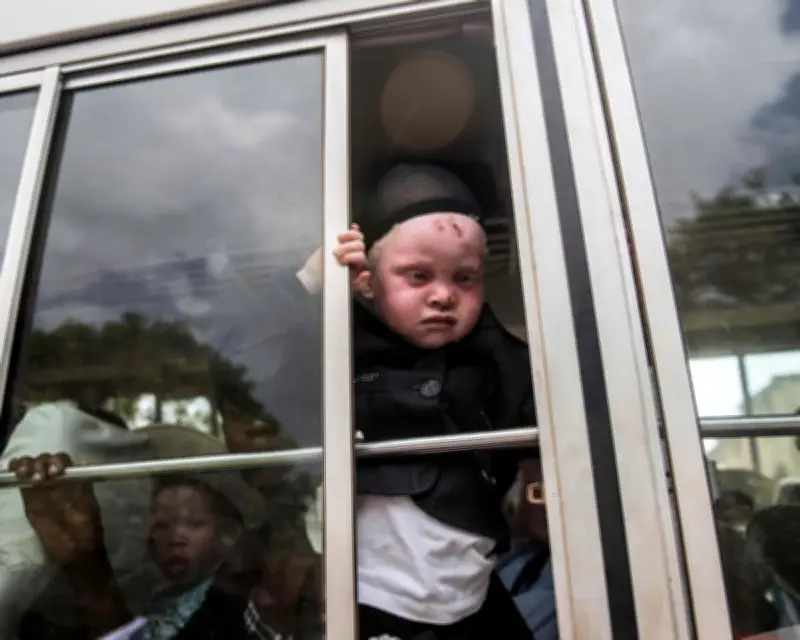
Ladidi Shaibu, a 35-year-old Nigerian with albinism, is being deported to Uganda after her asylum claim in the United States was denied under the Trump administration's immigration crackdown. Her two siblings, who also have albinism, were granted asylum, but Shaibu's case was rejected in March, leaving her devastated.
Background and risks
Growing up in rural Nigeria, Shaibu and her siblings faced severe stigma and constant fear of attack due to their albinism. Her sister was attacked twice, and her brother was kidnapped as a child by people wanting to sell his body parts. Albinism is an inherited genetic condition that reduces melanin, affecting more than one in 4,000 people in some sub-Saharan African countries, according to the World Health Organization. In Nigeria and Uganda, people with albinism face threats including ritual killings, rape, and mutilation driven by harmful superstitions.
Asylum denial and legal challenges
Shaibu entered the US via the Mexico border three years ago and registered as an asylum seeker. Her brother had already been granted asylum, and her sister's case was soon successful. However, Shaibu's claim was denied, and she was ordered deported to Uganda, deemed safe by the US Department of Homeland Security. Her lawyer, Ravindar Arora, who also represented her siblings, called the decision "ridiculous" and said, "This should have been a slam dunk." He noted that the Trump administration's immigration crackdown has been "playing havoc with people's lives," adding, "This is easily 10 times worse" than Trump's first term.
Rising denial rates for albinism asylum claims
According to Ikponwosa Ero, director of advocacy at Under the Same Sun, a charity helping people with albinism, the rise of anti-immigrant rhetoric and far-right movements in the US and Europe is leading to more asylum claims for people with albinism being denied. She said, "Before that, we had an estimate of an over-90% success rate. But with the changes in administrations and political approaches, that's no longer the case."
Safe third country agreements
Under the Trump administration, the US has entered into asylum cooperative agreements (ACAs) that allow governments to transfer asylum seekers to third countries. Under these arrangements, people may be removed to a "safe third country" even if they have no ties to that nation, unless they would be persecuted or tortured there. Arora submitted evidence that people with albinism are not safe in Uganda, including testimony from an expert witness who lives with albinism in Uganda. The judge countered that the witness lived there, so it must be safe.
Uganda's own acknowledgment of risks
The Ugandan government's action plan for persons with albinism 2020-2025 states they are "a vulnerable group that faces multiple and intersecting forms of discrimination and human rights violations," including "discrimination, banishment, cutting of body parts and amputation of limbs, torture, and murder due to unfounded beliefs in witchcraft." Arora believes Shaibu has a strong case and plans to appeal to the Board of Immigration Appeals and beyond.
Shaibu, who has married and had a child since arriving in the US, said, "I don't even know what to think. I was really hopeful and then my asylum request was denied. Still, I remain hopeful that I will be able to pursue my goals and live a normal life here."




