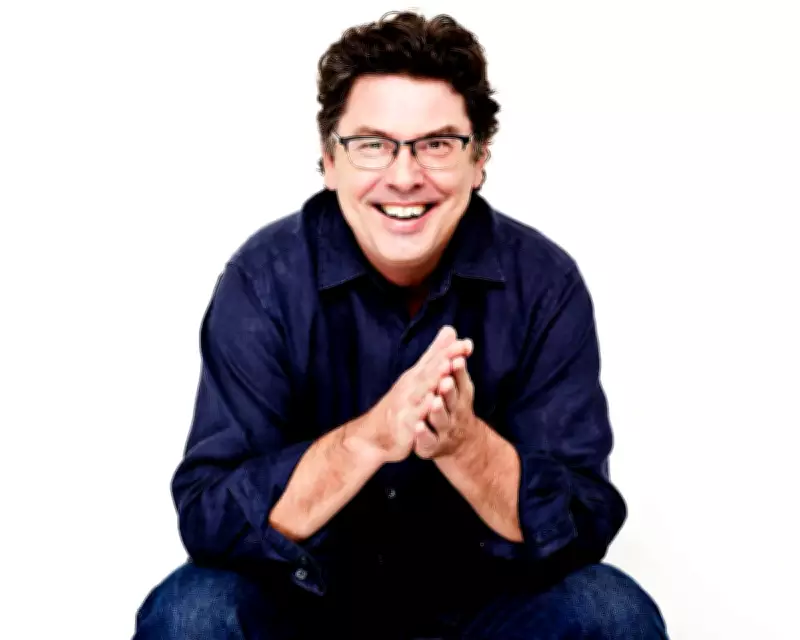
The death of beloved ABC broadcaster and saxophonist James Valentine at age 64 has brought renewed attention to the barriers Australians face when seeking voluntary assisted dying (VAD). Valentine chose to end his life on his own terms, surrounded by family at home, after a battle with cancer. His family expressed gratitude for the option to die peacefully, but advocates warn that many others are not so fortunate.
Rising Demand but Persistent Obstacles
VAD applications in Australia rose by 41% in 2024-2025 compared to the previous period, yet four in ten patients who start the process do not complete it. Dr. Linda Swan, CEO of Go Gentle Australia, noted that people are 'dying waiting to get access' due to regulatory hurdles. Valentine was well-informed and a long-time supporter of VAD, but many applicants apply too late, unaware of the lengthy process that typically takes two to five weeks and requires assessments by two independent doctors and three separate requests.
Telehealth Ban as a Major Barrier
Australia remains the only country with commonwealth legislation preventing the use of telehealth during the VAD process. This disproportionately affects rural and remote patients, but even those living near doctors may struggle if they are too ill to travel. Dr. Swan called the ban 'frustrating' and urged reform, arguing that telehealth would allow safe access for those suffering.

Attorney General Michelle Rowland acknowledged the complexity of the issue and stated that the government is consulting with states and territories. However, no immediate changes have been announced.
System Under Strain
Since 2019, 14,686 terminally ill people have sought VAD, with 7,082 dying using VAD substances. In 2024-2025, there were 3,329 VAD deaths, a 48% increase. A Go Gentle report warns that services are reaching an 'inflection point' where demand will outstrip capacity. One-third of respondents to a 2025 survey found it difficult to find a supportive doctor. Dr. Andrea Bendrups, president of VAD Australia and New Zealand, cautioned that the system relies on unpaid practitioner goodwill and risks collapse without adequate remuneration.
Valentine's daughter, Ruby, told ABC Radio Sydney that her father wanted his choice publicised to support the cause. 'In his final moments, he was still concerned about making a difference,' she said.