
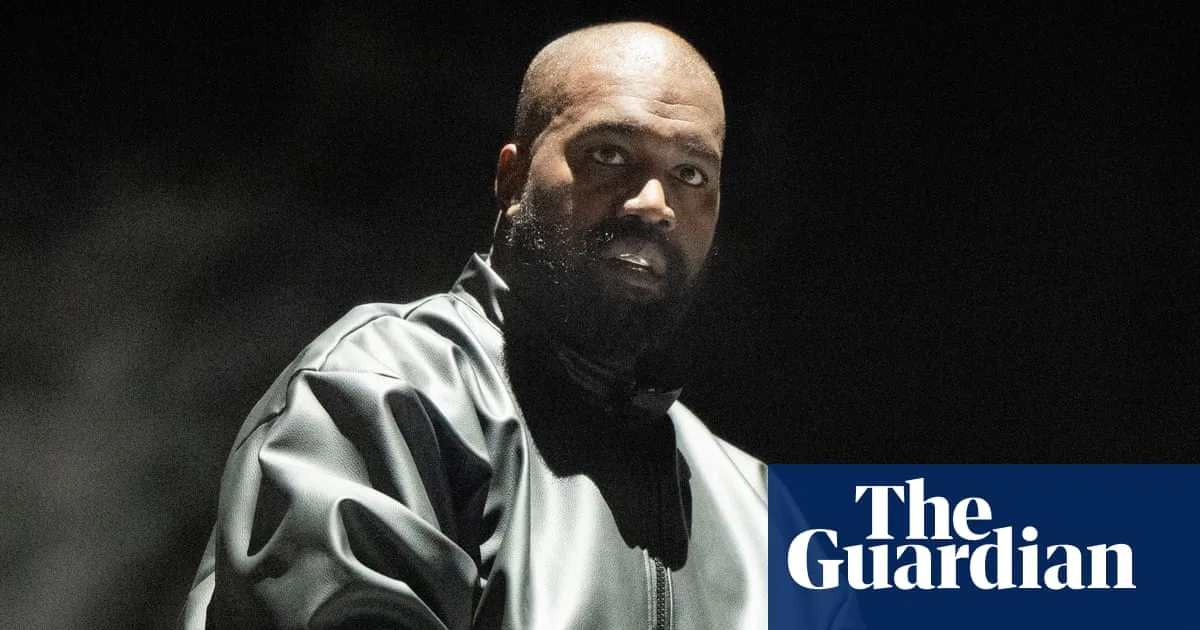
The Wireless music festival has been cancelled after Kanye West was banned from entering the United Kingdom over his previous antisemitic remarks. The rapper, legally known as Ye, had been booked to headline all three days of the festival in July, but his electronic travel authorisation (ETA) was withdrawn by Home Office officials.
The Home Office initially granted the ETA online Monday, but ministers rescinded it after review, deeming his presence in the UK “not conducive to the public good.” A festival spokesperson confirmed the cancellation and said refunds would be issued to all ticket holders. The statement noted that multiple stakeholders were consulted before booking Ye and no concerns were raised at the time, calling antisemitism “abhorrent” and acknowledging the real impact of these issues.
Ye has faced widespread criticism for antisemitic statements, including expressing admiration for Adolf Hitler and releasing a song titled “Heil Hitler” last year. He also advertised a swastika T-shirt on his website. In January, he took out a full-page advert in the Wall Street Journal apologising for his behaviour, attributing it to his bipolar disorder. On Tuesday, he offered to “meet and listen” to members of the UK’s Jewish community.
The ban prompted pressure on Downing Street, with Prime Minister Keir Starmer previously calling the booking “deeply concerning.” A Downing Street spokesperson said permission to enter was under review and that the government has not hesitated to act against individuals who “pose a threat to public safety or seek to spread extremism.” Festival Republic managing director Melvin Benn said organisers were not giving Ye a platform to express opinions, only to perform his songs.
Phil Rosenberg, president of the Board of Deputies of British Jews, welcomed the decision, saying the situation “could and should have been resolved much earlier” and hoped lessons would be learned across the festival industry. The cancellation leaves three headline slots to fill with just three months' notice, a challenge given many artists already have summer schedules set.




