

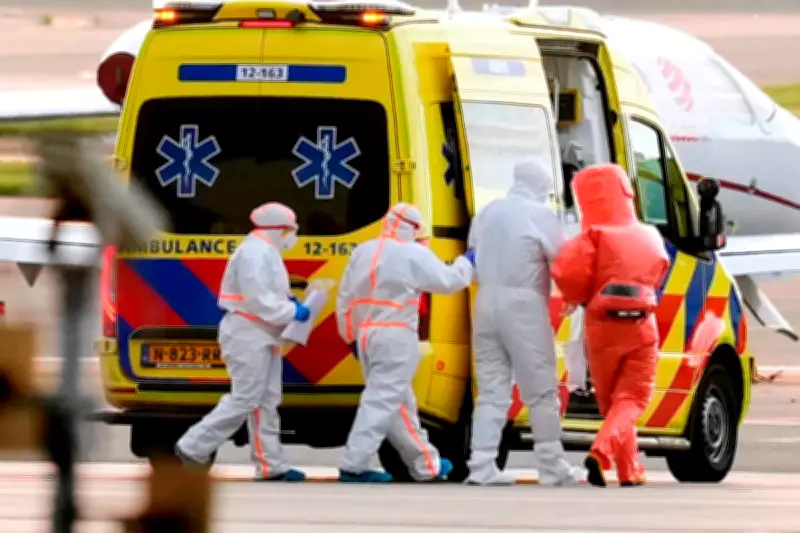
A suspected hantavirus outbreak aboard a cruise ship has claimed three lives, prompting the evacuation of 20 British passengers who arrived at an isolation facility in the UK on Sunday. The World Health Organisation (WHO) confirmed on Monday seven cases of the Andes strain of hantavirus and two suspected cases, including one death prior to testing.
What is Hantavirus?
Hantaviruses are primarily spread through contact with rodents or their urine, saliva, or droppings, especially when disturbed and inhaled. People are often exposed during cleaning of enclosed spaces like sheds or cabins. The Andes strain is unique for its potential for human-to-human transmission, which is the focus of current investigations, according to Professor Robin May of the UK Health Security Agency (UKHSA).
The US Centers for Disease Control and Prevention (CDC) began tracking hantavirus after a 1993 outbreak in the Four Corners region (Arizona, Colorado, New Mexico, Utah). Most US cases occur in Western states, with New Mexico and Arizona as hotspots due to rural mouse-human encounters.

Symptoms of Hantavirus
Initial symptoms include fever, chills, muscle aches, and headache, often mistaken for flu. Symptoms of hantavirus pulmonary syndrome (HPS) appear one to eight weeks after exposure, progressing to chest tightness as lungs fill with fluid. Haemorrhagic fever with renal syndrome (HFRS) develops within one to two weeks. HPS is fatal in nearly 40% of cases, while HFRS death rates range from 1% to 15%.
Prevention and Treatment
There is no specific treatment, but early medical attention improves survival. Prevention involves minimizing rodent contact, using gloves, and cleaning droppings with bleach solution. Avoid sweeping or vacuuming to prevent airborne virus.
How is Hantavirus Different from COVID-19?
Unlike COVID-19, most hantaviruses do not spread between humans, though the Andes strain can. WHO chief Tedros Adhanom Ghebreyesus stated: "This is not another Covid. The current public health risk from hantavirus remains low."
Current Isolation Efforts
Health chiefs are tracing passengers and contacts. Several individuals from the MV Hondius are isolating, including two Britons who returned independently. Confirmed cases include a 69-year-old man in Johannesburg and Martin Anstee, 56, an expedition guide in the Netherlands. A third suspected case is on Tristan da Cunha. The UKHSA advises isolation up to 45 days but stresses the public risk remains very low.






