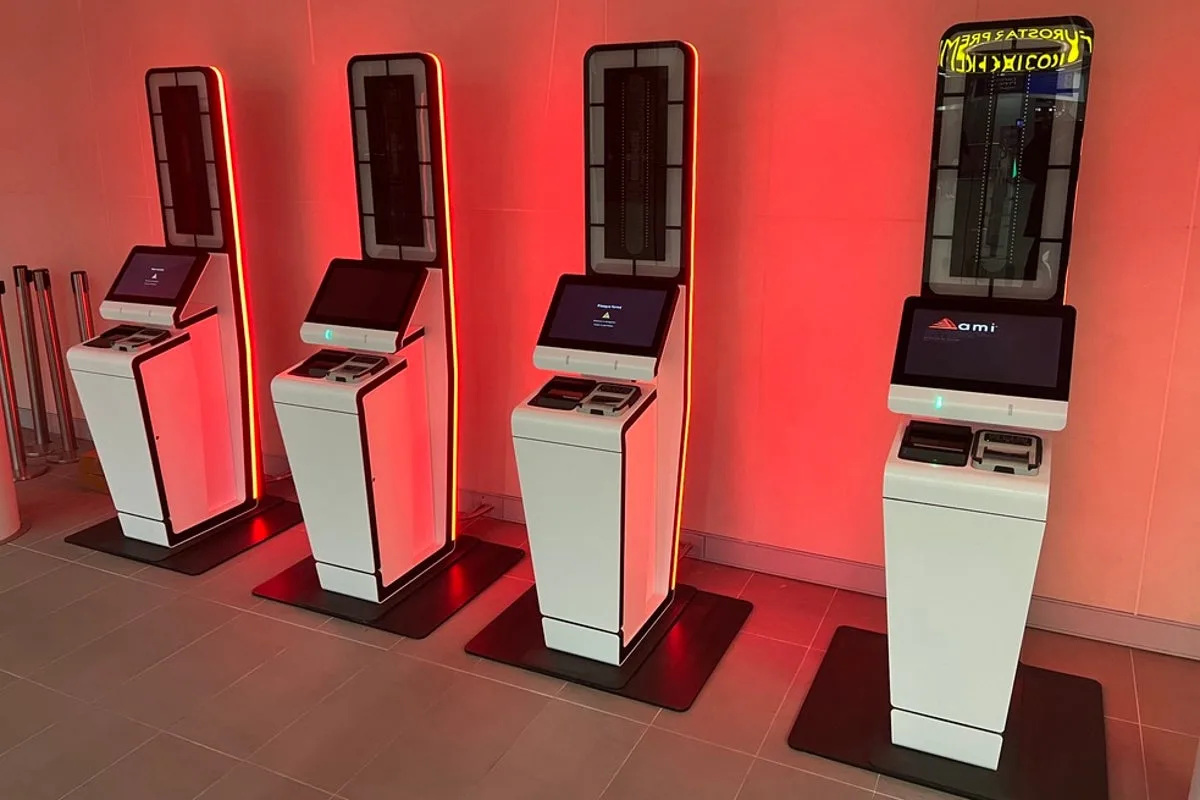
The European Union's much-anticipated entry-exit system (EES) is facing significant challenges, with some member states quietly dropping mandatory biometric requirements for British travellers. The digital border scheme, designed to enhance security and monitor third-country nationals, has been rolled out unevenly across the Schengen area, leading to confusion and potential disruption during the upcoming bank holiday period.
What is the EU Entry-Exit System?
The EES is a digital border system intended to register the entry and exit of third-country nationals, including British citizens, each time they cross an external Schengen frontier. This includes airports, land borders, and ports within the Schengen area, which comprises most EU countries except Ireland and Cyprus, plus Iceland, Norway, and Switzerland. The system aims to identify suspected criminals, combat identity fraud, and enforce the 90-day limit on stays within any 180-day period.
Biometric Requirements Dropped
According to The Independent, some Schengen nations, notably Greece, have indefinitely suspended the collection of facial biometrics and fingerprints for UK visitors. Instead, they are resorting to traditional passport stamping, known as 'wet stamping,' which was supposed to be phased out by April. At other frontiers, only basic passport details are being recorded, bypassing the full biometric process.
The European Commission insists that the system is already proving effective, with over 44.5 million entries and exits registered in the past five months, resulting in more than 24,000 refusals of entry, including over 600 individuals assessed as security threats. However, the uneven implementation raises concerns about the system's reliability.
Varied Experiences at Borders
Travellers face a range of scenarios when arriving at Schengen borders:
- Classic EES: Passengers insert their passport into a kiosk, provide biometrics if not registered, or just a facial biometric if already in the system, then proceed to eGates or a border officer.
- EES Plus: Despite previous registration, travellers are asked to provide both face and fingerprints again, possibly due to recording errors or national preferences.
- EES Minus: At busy or malfunctioning borders, only a passport scan is performed, with no biometrics or stamping required.
- What EES?: In Greece, biometrics are not collected at all, leading to potential anomalies where entry is recorded only via passport stamp, but exit via EES, creating apparent discrepancies.
Delays and Operational Strains
Long queues have been reported at airports where EES is active, with some passengers missing flights due to wait times. Aviation leaders have warned of unprecedented strain on border control operations, citing staff shortages, technical issues with kiosks, and concerns over the central IT system's reliability. They have called for a partial suspension of EES during the summer of 2026 where necessary.
A European Commission spokesperson acknowledged the concerns, stating that the system takes only 70 seconds to register an entry or exit when working properly, but emphasised that member states must provide adequate resources to ensure border fluidity.
Future of Etias
The European Travel Information and Authorisation System (Etias), often called the 'euro visa,' is unlikely to launch before the end of 2026, despite pledges. The Commission insists it will start in the last quarter of 2026, but this requires the EES to function smoothly for at least six months beforehand. Travellers will be informed several months before its launch.
In summary, the EU entry-exit system is experiencing significant teething problems, with inconsistent implementation across member states. British travellers should be prepared for unpredictable border procedures and potential delays during the bank holiday period.