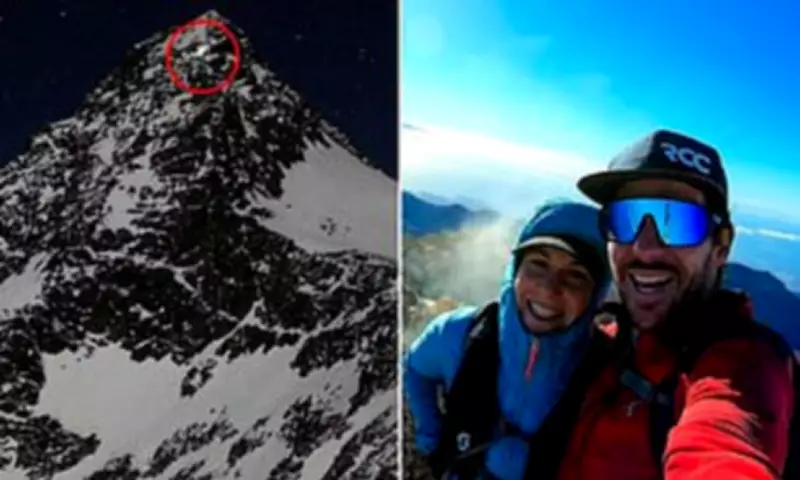
Climber Faces Negligent Homicide Trial Over Girlfriend's Freezing Death on Austrian Peak
A climber accused of abandoning his girlfriend to die in sub-zero conditions on Austria's highest mountain allegedly left a previous partner stranded at the same location following a heated argument, a court has heard. Thomas Plamberger, 39, is standing trial in Innsbruck for negligent homicide after his girlfriend, Kerstin Gurtner, 33, perished just 150 feet below the summit of the 12,460-foot Grossglockner in January last year.
Conflicting Accounts of the Tragic Incident
Prosecutors allege Plamberger left Gurtner "exhausted, hypothermic and disoriented" as temperatures plunged to minus 20 degrees Celsius while he went to seek help. During the trial's opening, Plamberger claimed Gurtner shouted at him to "Go!" after he spent ninety minutes with her in the freezing conditions. However, Judge Norbert Hofer found inconsistencies between Plamberger's explanations and how Gurtner's body was discovered.
The court was shown a photograph indicating Gurtner was hanging freely from the rock face, suggesting she had fallen. Plamberger insisted he had secured her with a rope approximately ten meters away from where she was found. Rescue teams located her dangling from the rope, having been on the rock face for two hours before her death.

Revelation of Previous Abandonment Allegation
It emerged during proceedings that the experienced climber allegedly left an ex-girlfriend alone on the Grossglockner range in winter after a "heated argument". Prosecutors state he abandoned her in pitch darkness when she complained about the climb's difficulty. This prior incident casts further doubt on Plamberger's account of events surrounding Gurtner's death.
Critical Errors and Equipment Failures
Prosecutors highlighted a series of alleged mistakes by Plamberger that culminated in the tragedy. They claim he failed to use available emergency equipment, including a bivouac sack or aluminium rescue blanket, and did not move Gurtner to a wind-protected location before leaving. The mountain rescue station's group instructor testified that Plamberger's "account of the situation didn't quite add up" and he could not explain why he hadn't used the bivouac sack.
Investigators examining mobile phones, sports watches, and photographs determined the couple were poorly equipped for the conditions. Gurtner wore snowboard boots instead of proper hiking footwear, and Plamberger allegedly started the climb two hours later than prudent. Despite a police helicopter flying over the area at 10:50 PM, he did not give distress signals and had his phone on silent, delaying contact with rescue services until 3:30 AM.
Plamberger's Defence and Emotional Testimony
Plamberger, dressed in a suit and white shirt, described himself as "not a mountain guide but an amateur mountaineer" with self-taught experience, despite having served in the Austrian army. He testified that he and Gurtner, who had been dating for a year and planned to move in together, always planned climbs jointly and she was physically fit. He claimed to have climbed Grossglockner 14-15 times and studied Alpine conditions through online videos.
Through his lawyer, Kurt Jelinek, Plamberger denied the allegations, insisting he left to get help and calling the incident a "tragic, fateful accident". His defence cited a "misunderstanding" with a rescue helicopter pilot that night. Gurtner's mother has publicly supported Plamberger, criticising media portrayal and stating "there's a witch hunt against him".
Rescue Efforts and Harsh Conditions
Webcam images captured the couple's headtorches edging toward the summit around 6:00 PM on January 18, with only one light visible hours later as Plamberger descended alone. He left Gurtner at 2:00 AM, and a rescue operation began ninety minutes later when he contacted emergency services. Hurricane-force winds prevented teams from reaching Gurtner until the following day; she was found just below the summit cross.

The head of the mountain rescue team described the scene as "certainly not a pretty sight for us", noting it appeared she had climbed down. Prosecutors argue that given wind speeds up to 46 mph and temperatures feeling like minus 20 degrees, Plamberger should have turned back earlier. The trial continues as the court examines whether his actions constituted negligent homicide.