Climber Faces Trial Over Girlfriend's Death on Austria's Highest Mountain
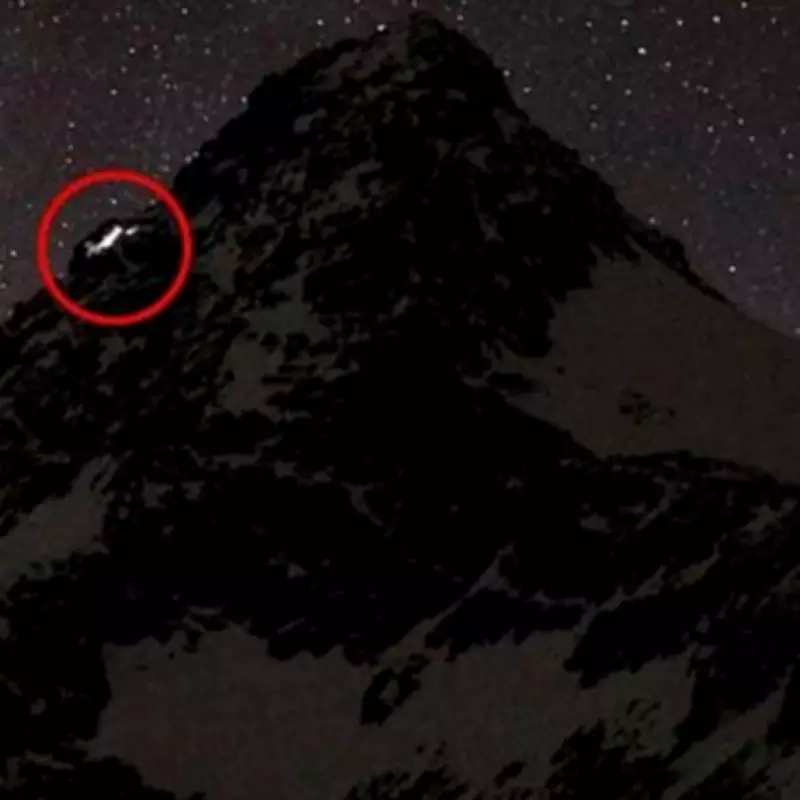
A climber is currently on trial in Austria, accused of leaving his girlfriend to die on the country's highest mountain, Grossglockner. The case has drawn attention after a disturbing photograph emerged, showing the light from his torch shining from the peak in the middle of the night, following the alleged abandonment.
Fatal Climb in Harsh Winter Conditions
Kerstin G, aged 33, died of hypothermia near the summit of Grossglockner on January 19, 2025. The incident occurred after she was reportedly abandoned by her boyfriend, Thomas P, at around 2am during a disastrous climb. Conditions on the mountain were extremely severe, with temperatures around -8°C overnight, but feeling closer to -20°C due to strong winds.
Prosecutors have charged Thomas P with gross negligent manslaughter. They argue that, as an experienced climber who planned the route and organised the excursion, he was "the responsible guide for the tour" and failed to call for support in time to save his girlfriend. Thomas P denies the charges, describing Kerstin's death as "a tragic accident."

Allegations of Negligence and Inadequate Preparation
An indictment from the Innsbruck public prosecutor's office accuses Thomas of leaving his girlfriend "defenceless, exhausted, hypothermic, and disoriented" approximately 50 metres below the summit. Authorities claim that, despite her exhaustion, he did not make an emergency call before nightfall when she began to struggle and failed to send distress signals to a passing helicopter.
Further allegations include:
- Starting the hike two hours late, leading to challenging evening conditions arriving sooner than planned.
- Proceeding with the climb even though Kerstin had "never undertaken an Alpine tour of this length, difficulty, and altitude" in winter conditions.
- Allowing her to use insufficient equipment, such as "snowboard soft boots", and not bringing enough emergency bivouac equipment for shelter.
- Not turning back when strong winds posed a serious hazard.
Defence Arguments and Legal Proceedings
In response, Thomas P's lawyer, Karl Jelinek, stated that the couple had planned the tour together. He rejected the notion that Thomas was more experienced, asserting that both considered themselves "sufficiently experienced, adequately prepared, and well equipped." Jelinek added that they both had "relevant Alpine experience" and were "in very good physical condition."
If found guilty, Thomas P faces a maximum sentence of three years in prison. The trial is ongoing, with the photograph of his torch light serving as a key piece of evidence in this tragic case.