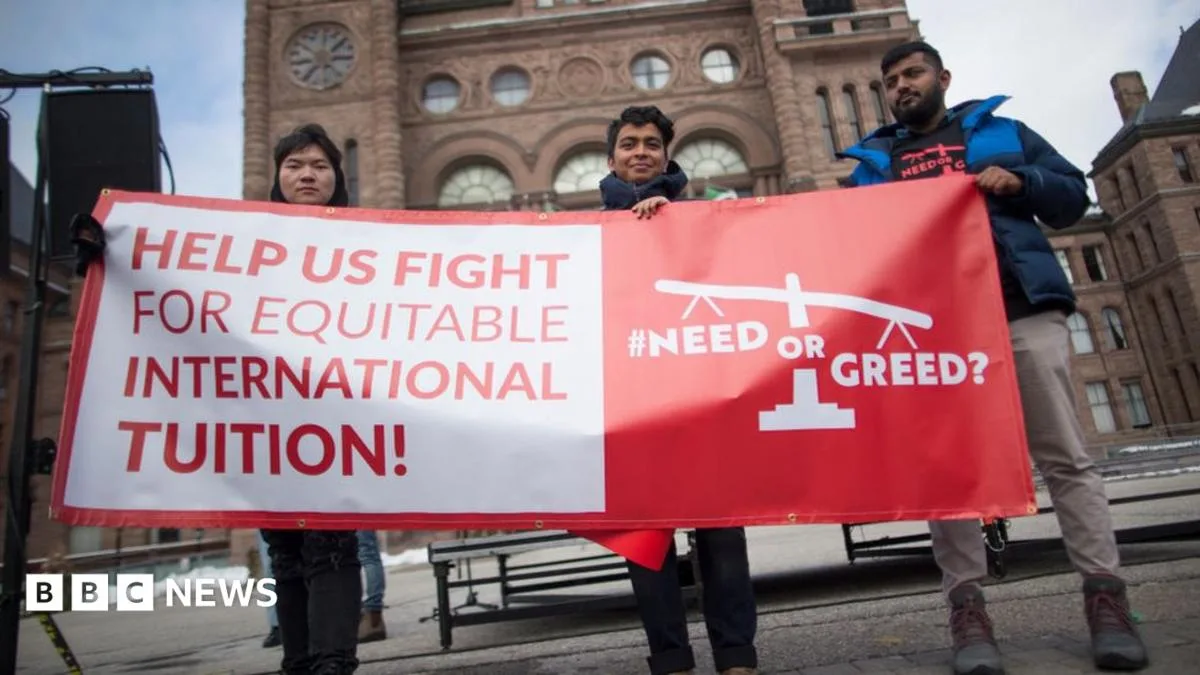
Canada has announced a two-year cap on the number of foreign students admitted to the country, aiming to alleviate pressures on housing and healthcare. The measure will reduce approved study permits by 35%, with approximately 360,000 undergraduate permits expected this year.
Immigration Minister Marc Miller stated that the cap is designed to ensure the integrity of the system and address the rapid growth in international student numbers, which rose from 214,000 in 2012 to over 800,000 in 2022. Each province and territory will receive a portion of the total permits based on population and current student intake, and will decide how to distribute them among institutions.
The cap applies only to diploma and undergraduate programmes, not to study permit renewals. Additionally, from September, work permits will no longer be granted to graduates of colleges operating under public-private partnership models, primarily in Ontario. Miller criticised some private institutions for charging high tuition fees while lacking adequate student support.
The policy shift comes as the Trudeau government faces growing public concern over housing affordability. Average home prices in Canada are C$750,000, and rents have risen 22% in two years. The Canada Mortgage and Housing Corporation estimates the country needs 3.5 million more housing units by 2030 to restore affordability, though experts also cite high interest rates and construction costs as factors.
Universities Canada expressed concern that the cap could deter international students and add stress to an already strained system. McMaster University President David Farrar warned that losing international students would reduce the learning environment's richness and force cuts to domestic student admissions, as international tuition helps offset costs amid limited government funding.