

Campaigners are urging the Government to prohibit a controversial weedkiller that is potentially carcinogenic and sprayed on crops just days before harvest. The chemical, glyphosate, is already banned in the European Union but remains one of the most widely used herbicides in the UK, applied to wheat, oats, and other cereals.
Glyphosate kills nearly every plant it touches and is used to desiccate crops, making them easier to harvest. Globally, concerns about its harms have been widely recognized. In 2015, the World Health Organization classified glyphosate as 'probably carcinogenic' to humans. The EU banned its use in 2023, and it has faced over 17,000 lawsuits in the US alleging links to cancer and other health issues.
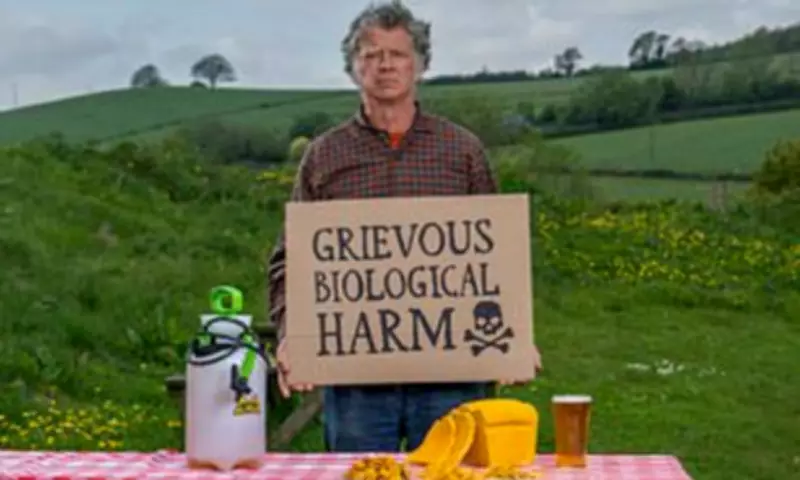
Despite this, the weedkiller remains prevalent in the UK. Between 2016 and 2023, 41% of UK cereal crops tested contained glyphosate residues. In 2024, 28% of UK bread samples tested positive for the chemical. A survey by Riverford, a vegetable delivery service, as part of their Grievous Biological Harm campaign, found that 86% of Britons are concerned about the long-term effects of pesticides.

Glyphosate use has skyrocketed since the 1990s, with the Pesticide Action Network reporting a 1,000% increase over three decades. Cathy Cliff, Soil Association Campaigns Co-ordinator, said: 'No-one wants a chemical linked to cancer in their sandwiches or breakfast cereal. The UK is already lagging behind Europe, which takes a much tougher stance on pesticides that pose a risk to human health. The government must act to protect public health by stopping this toxic chemical from being sprayed on our food at harvest.'
The Riverford survey also revealed that 66% of respondents were 'outraged' that glyphosate is used in the UK food system. Experts believe there is rightful cause for concern. In March, a global group of experts at the Seattle Glyphosate Symposium in Washington stated: 'Regulatory agencies in countries around the world should treat glyphosate as hazardous, as some countries have started to do. Agencies should act without further delay to limit their use, or eliminate them if legally required, to protect public health.'
The weedkiller is widely used on crops for beer and bread. Changes appear imminent in the UK, as farmers have been told to prepare for new products and rules. British farmers and businesses have been informed to expect changes to 'pesticides and their respective maximum residue levels' and 'changes to pesticide and biocide active substance approvals.' This comes amid ongoing EU trade negotiations.
Officials from the Department for the Environment, Food and Rural Affairs (Defra) are negotiating with EU counterparts over a sanitary and phytosanitary (SPS) agreement intended to make trade 'easier, cheaper and more predictable.' Environmental groups urge the government to use this opportunity to end the pre-harvest use of glyphosate. In an open letter to Defra on Wednesday, the Soil Association, Nature Friendly Farming Network, Greenpeace, Wildlife Trusts, and others stated: 'Phasing out glyphosate as a pre-harvest desiccant, in line with restrictions across the EU, would alleviate concerns over public health and nature, while facilitating closer trade with our European neighbours.'
However, this does not mean British farmers will have to cut pesticide use to align with EU regulations. According to a report by the European Food Safety Authority on Tuesday, 41.6% of fruit and vegetables sold in the EU contained pesticide residues. A Defra spokesperson said: 'Like all pesticides, glyphosate is subject to strict regulation.'






