
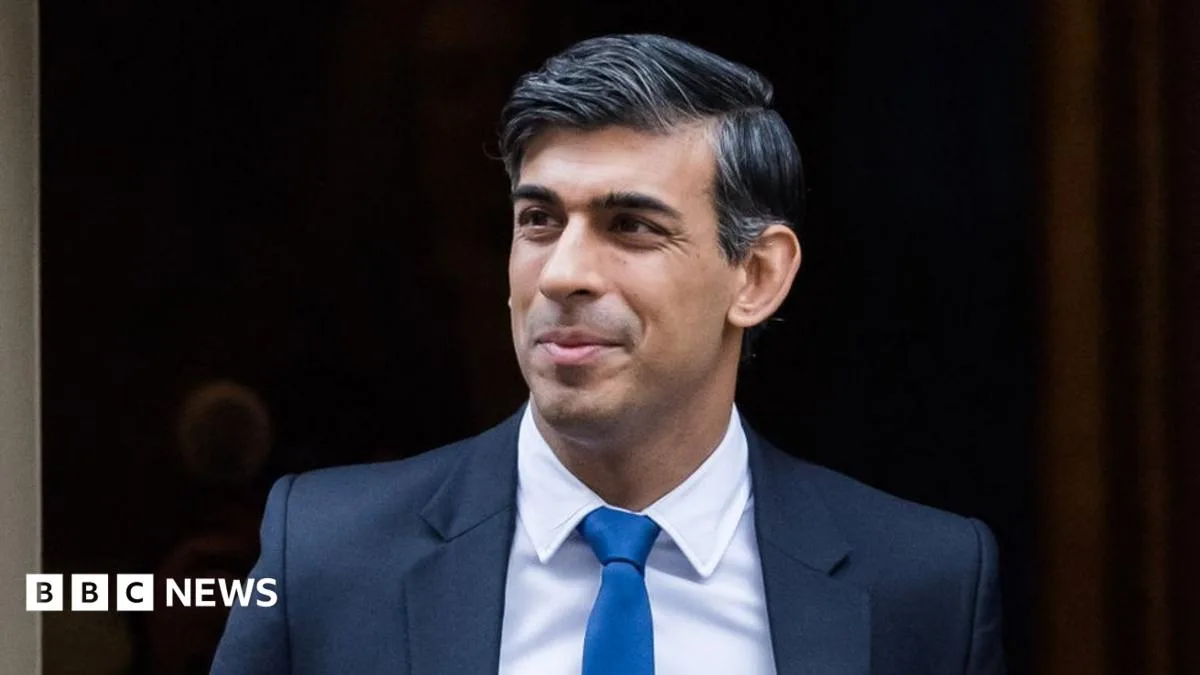
Prime Minister Rishi Sunak has seen off a Tory rebellion over his flagship Rwanda bill, with the legislation comfortably passing its first Commons hurdle by a majority of 44. However, the government still faces a battle to get the bill through Parliament, with further votes expected in the new year.
The bill passed by 313 votes to 269, with no Conservative MPs voting against. Around 29 Tory MPs, including former Immigration Minister Robert Jenrick and former Home Secretary Suella Braverman, chose to abstain. In total, 37 Conservative MPs did not record a vote, though some may have been unable to attend rather than deliberately abstaining.
Climate Minister Graham Stuart flew back from the COP28 climate conference in Dubai to vote, in a sign of nerves within Downing Street over the potential for a tight result. Shortly before the vote, five factions of backbench MPs, including the European Research Group and the New Conservatives, announced they could not support the bill in its current form. They plan to propose amendments and have warned they could vote the bill down when it returns to the Commons if their demands are not met.
Mark Francois, chairman of the ERG, said the bill was not firm enough to ensure flights to Rwanda take off. He said the prime minister had indicated he would entertain tightening the bill, and that rebels were taking him at his word. However, any such changes could risk losing the support of more centrist Tory MPs. The One Nation group, which represents over 100 Conservative MPs, has warned it would oppose any amendments that would breach international law.
Damian Green, chairman of One Nation, said the vote had seen far fewer abstentions than expected, and that if the government stuck to its guns it could probably get the legislation through intact. Home Office Minister Chris Philp said the government would listen to ideas from MPs on how to improve the bill, while Ben Bradley of the Common Sense Group urged pragmatism over ideology. The bill seeks to declare in UK law that Rwanda is a safe country for asylum seekers, after the Supreme Court ruled the policy unlawful last month.




