

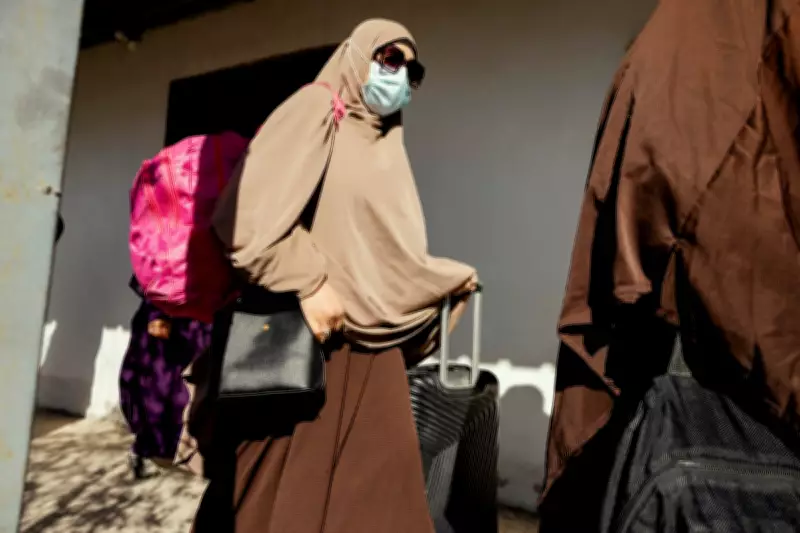
Australia's police are prepared to arrest members of a group of 13 individuals linked to ISIS fighters who are returning home from Syria, Home Affairs Minister Tony Burke announced on Wednesday. The group, including four women and nine children, is traveling from the Al Roj detention camp in northeast Syria, with flights booked from Damascus to Melbourne and Sydney.
Legal Consequences for Returnees
Burke stated that some of the returnees have committed crimes and will face the full force of the law. Australian Federal Police Commissioner Krissy Barrett confirmed that certain members will be arrested and charged, while others will remain under investigation. The children will be subject to community integration programs, therapeutic support, and countering violent extremism initiatives.
Investigations Since 2015
Australian police have been investigating citizens who traveled to the Islamic State's caliphate in Syria since 2015. Evidence suggests that the returnees violated national laws, including traveling to a prohibited area and engaging in slave trade. Prime Minister Anthony Albanese condemned their actions, calling the choice to join a terrorist organization horrific and placing their children in an extraordinary situation.

Government's Stance
Burke emphasized that the government is not assisting the returnees, stating, "They made an appalling, disgraceful decision. If any of these individuals find their way back to Australia, if they've committed crimes they can expect to face the full force of the law, without exception." He acknowledged the challenge of preventing citizens from returning, as laws introduced in 2019 bar former ISIS fighters from re-entry.
The group is expected to land on Thursday evening, according to ABC News. They left Al Roj in late April, but it remains unclear how they arranged their return. Australia faced a similar situation in February when 34 women and children were turned back by Syrian authorities. Syria continues to hold former ISIS fighters and their families in camps and detention centers in the northeast, despite the group losing its territorial control in 2019.






