

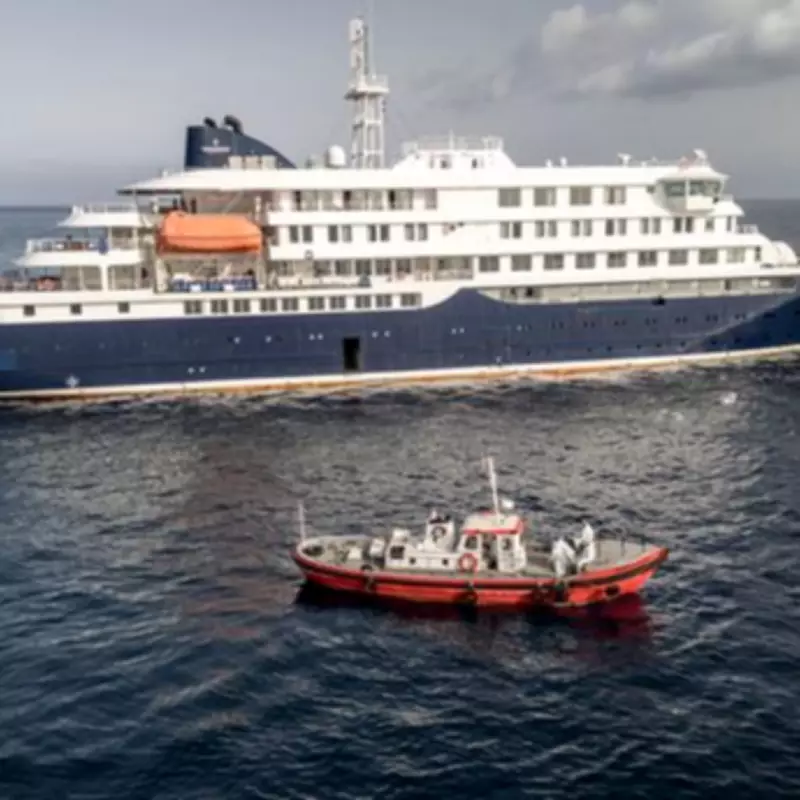
A suspected hantavirus outbreak on the luxury cruise ship MV Hondius has led to three passenger deaths, with officials identifying the Andes strain. Approximately 150 people remain confined aboard the vessel off the coast of West Africa. The World Health Organisation (WHO) reports that while hantavirus is typically transmitted from rodents to humans, the Andes variant can spread among close human contacts.
What is Hantavirus?
Hantavirus is a rare but potentially fatal disease. The Andes strain can cause hantavirus cardiopulmonary syndrome (HCPS), a severe complication affecting the heart and lungs with a high mortality rate, according to the NHS. Only certain hantavirus types, including Andes, lead to HCPS.
Symptoms of Andes Virus
Initial symptoms resemble flu: fever, chills, muscle pain, and sometimes gastrointestinal issues. Respiratory symptoms like dry cough appear later as capillaries leak into the lungs. As the illness progresses, abdominal pain, worsening flu-like symptoms, and severe complications such as respiratory failure, shock, and haemorrhage may occur. Symptoms typically appear one to eight weeks after exposure, most often two to four weeks post-infection.

How is Andes Virus Spread?
Hantavirus spreads from rodents to humans through contact with infected droppings, saliva, or urine, including inhalation of particles. Rodent bites are a rare transmission route. Infected rodents show no symptoms. The Andes strain uniquely spreads between humans via close contact, often within families.
Treatment Options
No specific treatment or vaccine exists for hantavirus. Care is supportive, focusing on respiratory, cardiac, and kidney complications. Early diagnosis significantly improves management, says the WHO.
Endemic Regions
The Andes variant originates from infected rodents in South America, particularly Argentina and Chile, according to the NHS. The deceased couple had travelled through South America, including Argentina, before boarding. The MV Hondius remains stranded after being refused docking in Cape Verde and the Canary Islands. Three patients have been evacuated to the Netherlands for medical care.






