

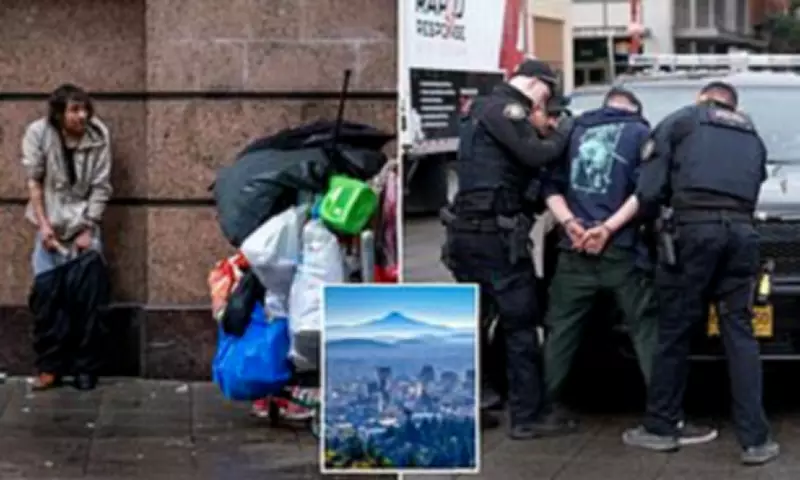
Nearly two out of five voters in the Portland tri-county metro area are contemplating leaving the region within the next five years, according to a recent survey that underscores growing frustrations over high crime rates and taxes in the deep-blue state of Oregon.
The poll, conducted by DHM Research among approximately 600 voters, found that 36 percent of respondents in the tri-county area are considering relocation. Dissatisfaction extends beyond the city itself, with 58 percent of metro-area residents and 49 percent of Portland residents indicating they would leave Oregon entirely.
Frustration with Local Governance
Michelle Neiss, president of DHM Research, described the findings as a significant indicator of public sentiment. "It's not a small number of people who at least toy with the idea of moving," she said. Neiss attributed the trend to a "sense of frustration" with local government, adding that the data reflects more than just dissatisfaction with Portland itself. "The amount of people toying with the idea of leaving is a more sobering thing for Oregon to grapple with," she noted.

Taxes as a Primary Driver
Taxes emerged as the leading concern among potential movers. In the metro area, 62 percent of respondents cited taxes as a top reason for leaving, while in Portland, 55 percent agreed. Dean Suhr, a 68-year-old Republican, explained his reasoning: "I've raised my kids here. I've had a good life up here, but as we're getting older and our income becomes more fixed, we need to look at how we can make what we've got stashed away last." He added that "taxes and spending seem to be the standard solution to everything."
DHM Senior Vice President John Horvick concurred: "Taxes are way above everything else." Portland ranks second highest in the nation for income taxes, just behind New York City, according to the Tax Foundation. Key taxes include a state personal income tax with a top rate of 9.9 percent, a Multnomah County Preschool for All tax starting at 1.5 percent on incomes over $125,000, and a tri-county homelessness tax of 1 percent on earnings above $125,000.
From 2025, the percentage of metro-area residents naming taxes as a top concern rose from 3 percent to 11 percent, as reported by Oregon Live.
Crime and Quality of Life
Portland has grappled with a crime wave and quality-of-life issues since 2020, though violent offenses have recently declined from record highs. Incidents such as the fire at Elephants Delicatessen, caused by a woman accidentally igniting garbage cans, have heightened concerns. The deli's future remains uncertain, and a nearby BottleDrop recycling center announced closure due to an influx of drug dealers and users.
In October, the Daily Mail reported on a woman repeatedly harming herself in downtown Portland while under the influence, as well as a homeless man inhaling substances from aluminum foil. Citizen journalist Kevin Dahlgren noted, "Crime out here is just really common ... the police don't care."
Other Reasons for Leaving
Lower housing costs were cited by 36 percent of metro-area respondents and 40 percent of Portland residents. Keith Moore, a 42-year-old Republican electrical systems drafter, said Oregon has "not been a particularly business friendly state" and expressed nostalgia for a safer, cleaner Portland from his childhood.
Despite these trends, Neiss cautioned against overinterpretation, noting that Oregon also saw the highest percentage of people moving into the state last year, according to a United Van Lines survey. Census data showed about 5,600 people moved to Oregon from other states in the prior year.
Peggy Fisher, a manufacturing vice president, voiced the dilemma many face: "It would be a really tough decision because my kids and grandkids live here. But it's difficult to watch the state I love completely fall apart." Jenn Brucksh, a 32-year-old Democrat, added that rising costs, including energy bills, have been challenging, but she loves the access to outdoor recreation.






