

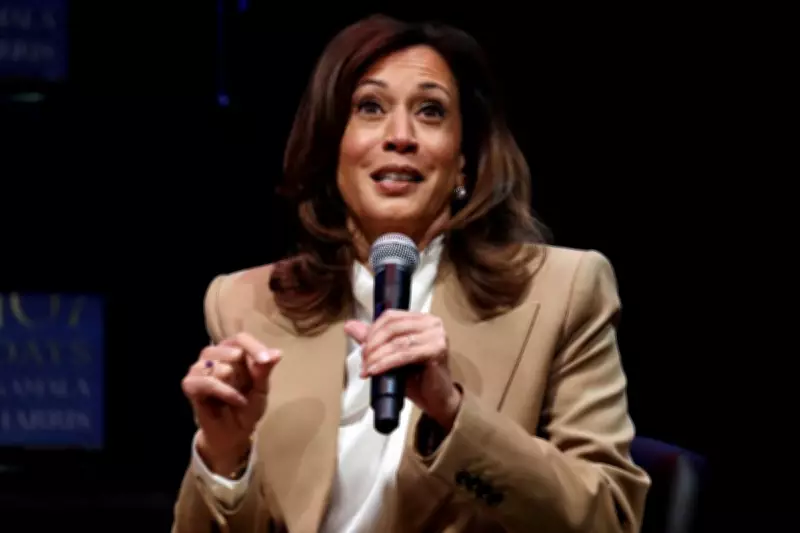
In a revealing new memoir, former Democratic presidential candidate Andrew Yang has made startling claims about his treatment by Kamala Harris's campaign team following his public calls for Joe Biden to withdraw from the 2024 race. Yang, who left the Democratic Party in 2021, alleges that he was effectively blacklisted by Harris's operatives, who viewed his actions as a sign of disrespect towards the incumbent president.
Allegations of Exclusion and Political Retribution
According to excerpts from his forthcoming book, Yang details how his shift in support to Harris after urging Biden to step aside was met with a cold shoulder from her campaign. He suggests that this exclusion was a deliberate move to punish dissent within the party, highlighting what he perceives as a broader issue of intolerance for differing viewpoints among Democratic leaders.
Criticism of Democratic Strategy and Voter Outreach
Yang goes further in his critique, arguing that Harris's campaign neglected key demographic groups, particularly men without college degrees. He posits that this oversight contributed to the political landscape that allowed figures like Donald Trump to thrive. In his analysis, Yang attributes Trump's success to a unique blend of politics, pro wrestling, and comedy, noting that Trump's self-aggrandizing style has a strong appeal to certain voter segments, including many men.

Future Political Ambitions and Lack of Response
The memoir also hints at Yang's own political future, with indications that he is highly likely to run for the Oval Office again in 2028. This potential bid adds another layer to the ongoing narrative of his strained relationship with the Democratic establishment. As of now, Harris's team has not publicly responded to Yang's allegations, leaving the claims unaddressed in the public sphere.
This account sheds light on the internal dynamics and challenges within the Democratic Party, as seen through the eyes of a former insider turned critic. Yang's experiences underscore the complexities of political loyalty and the consequences of public dissent in modern American politics.






