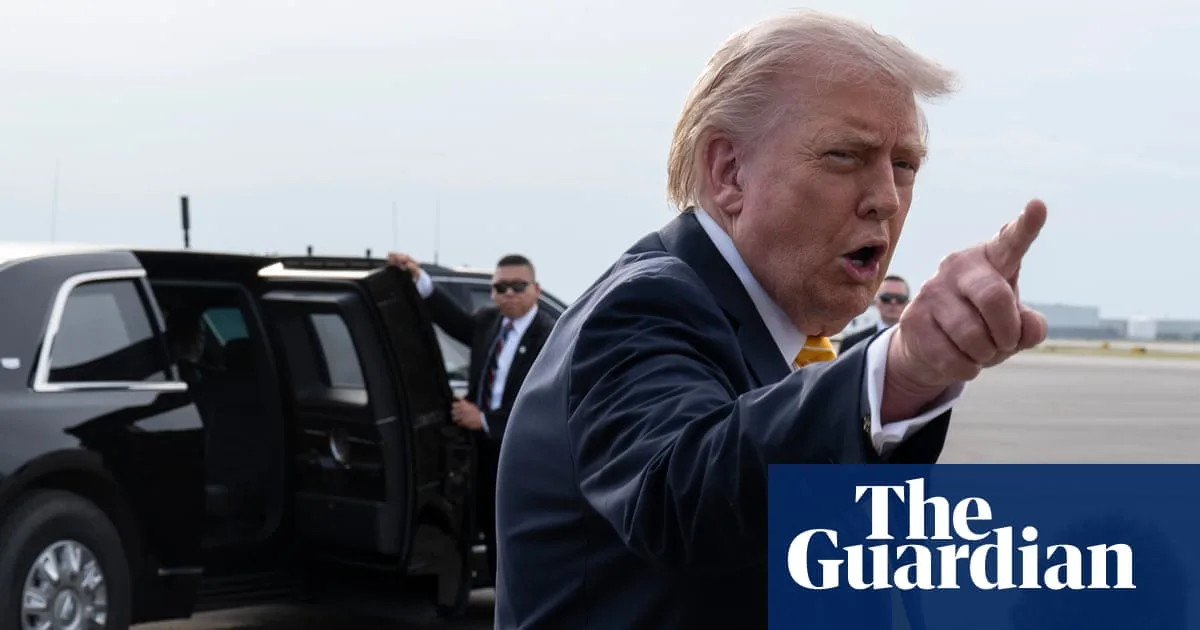
President Donald Trump has publicly celebrated what he describes as the highest poll numbers he has ever received, yet a closer examination of recent survey data reveals a contrasting narrative of declining public approval throughout his second term in office.
Contradiction Between Boasts and Polling Reality
In a recent post on his Truth Social platform, Trump asserted, "The highest Poll Numbers I have ever received. Obviously, people like a strong and powerful Country, with the best economy, EVER!" This declaration of unprecedented public support comes at a time when multiple reputable polling organisations are documenting a steady erosion of the president's approval ratings among the American electorate.
Multiple Polls Show Consistent Decline
The latest data from The Economist and YouGov presents a stark picture, with 54 percent of Americans expressing disapproval of Trump's performance as president, compared to just 40 percent who approve. While the president maintains strong support within his own party—86 percent of Republicans back his job performance—this partisan loyalty fails to offset broader national dissatisfaction.
Even more concerning for the administration are the findings from Associated Press-NORC polling conducted in early January, which shows nearly 60 percent of Americans disapprove of Trump's presidential performance, with only 40 percent offering approval. This represents a significant drop from August of the previous year, when his approval rating stood at 45 percent according to the same polling organisation.
Economic Confidence Wanes Despite Claims
Trump's frequent boasts about creating "the best economy, EVER" appear disconnected from public sentiment regarding his economic management. When specifically questioned about the economy, 53 percent of Americans disapprove of Trump's handling of this crucial issue, with just 39 percent expressing approval. The AP-NORC polling reveals even greater economic discontent, with 62 percent disapproving of Trump's economic stewardship and only 37 percent approving.
This economic dissatisfaction persists despite official data showing inflation holding steady at 2.7 percent year-over-year in December 2025. Many American households continue to struggle with elevated living costs, particularly for essential grocery items. Bureau of Labor Statistics figures reveal that roasted coffee prices increased by 18.7 percent and uncooked ground beef by 15.5 percent year-over-year in December 2025, placing continued financial pressure on ordinary consumers.
Immigration Policy Further Erodes Support
The president's approval ratings have reached concerning lows on immigration policy, another key issue for his administration. Recent Reuters/Ipsos polling indicates that 53 percent of Americans disapprove of Trump's handling of immigration, with only 39 percent approving. This represents the lowest approval rating on immigration matters during his second term.
This decline in public confidence follows recent controversy surrounding immigration enforcement actions in Minnesota, including fatal shootings involving federal agents in Minneapolis last month. These incidents have drawn significant criticism and appear to have contributed to diminishing public support for the administration's immigration approach.
Political Context and Future Implications
With the 2026 midterm elections approaching, Trump has intensified his efforts to convince voters of his administration's economic achievements, recently describing the economy as "booming" during a campaign speech in Iowa. However, the consistent polling data suggests that most Americans remain unconvinced by these optimistic characterisations.
The Reuters/Ipsos survey further compounds concerns for the administration, showing Trump's overall approval rating dipping to 38 percent—matching the lowest level recorded during his second term. As the federal government prepares to release January inflation figures on February 11, these economic indicators will likely continue to influence public perception and political fortunes in the coming months.
The growing disparity between presidential rhetoric and measurable public opinion creates a challenging political landscape for Trump and his party as they approach crucial electoral tests. While the president maintains a solid base of support within Republican ranks, the broader national trend suggests an increasing disconnect between White House messaging and the experiences and perceptions of the American electorate.






