
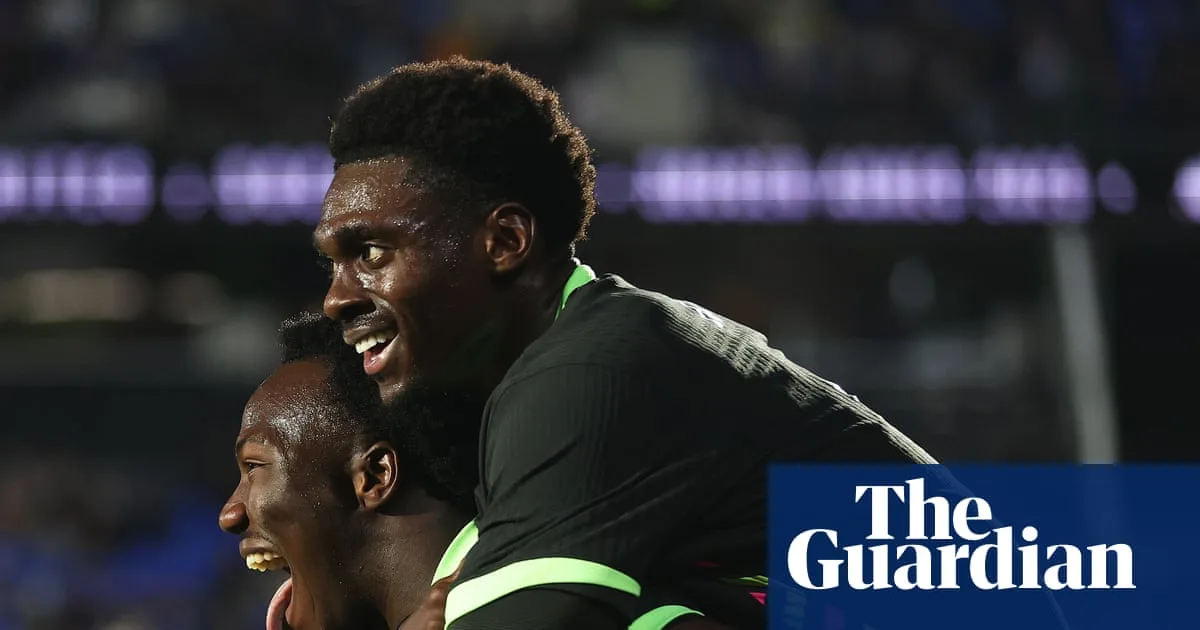
The Socceroos' African heritage players, including Mo Touré and Nestory Irankunda, are set to play key roles at next month's World Cup, serving as a reminder of Australia's multicultural makeup. Touré, 22, who was born in Guinea after his family fled Liberia, and Irankunda, 20, born in a Tanzanian refugee camp after his parents escaped Burundi, have both risen through the ranks to represent the national team.
Touré, now at Norwich City in the Championship, has scored nine goals in 11 matches and is expected to lead the attack. “It will mean a lot to me and my family,” he said from the pre-tournament camp in Florida. “Australia is the country that gave us the opportunity to live, so I think it will be the best way to repay back.” Irankunda, who plays for Watford, believes the squad has enough quality to surprise at the tournament.
According to Football Australia statistician Andrew Howe, 12 players with African heritage have played for the Socceroos in the past five years, compared to just one two decades ago. Australia's African-born population now exceeds 500,000, more than double that of 20 years ago, with strong growth from Nigeria, Ethiopia, Congo, South Sudan, and Kenya.
South Australia has become a footballing hotbed, with Awer Mabil, 30, another product of Adelaide's African community. Mabil, now at Castellon in Spain, mentors younger players and noted Irankunda's maturing attitude. Former Socceroo Bruce Djite, whose family moved from the US to Australia when he was three, praised the resilience of players who arrived through humanitarian pathways. “This cohort tend to face adversity and several challenges, which builds resilience,” he said.
Touré, Irankunda, and Mabil were named by the UNHCR as “gamechangers”, a concept embodying the power of opportunity for displaced people. Others, like Sydney FC's 17-year-old Akol Akon, are expected to follow.




