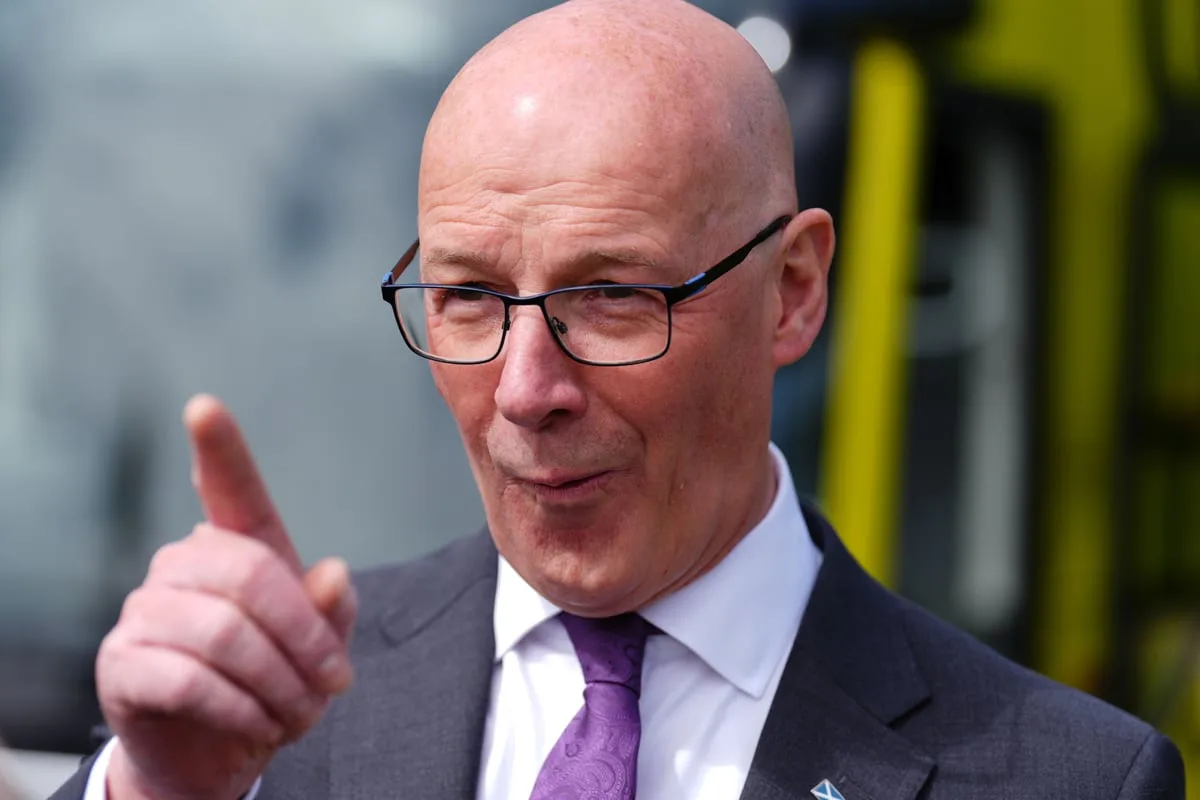
A new opinion poll has projected that the Scottish National Party (SNP) could win 62 seats in the upcoming Scottish Parliament election this May, with Reform UK narrowly securing second place ahead of Labour. The survey, conducted by Survation for the Diffley Partnership, was carried out between March 16 and 23, involving 1,068 respondents across Scotland.
Polling Details and Seat Projections
The poll results show the SNP leading with 35% of the Holyrood constituency vote and 32% of the regional list vote. This would leave the party just three seats short of an overall majority in the Scottish Parliament, a significant position as the election campaign gains momentum.
Reform UK and Labour in Close Contest
Reform UK is projected to receive 19% of the constituency vote and 18% of the list vote, which would translate to 19 seats, placing them narrowly ahead of Labour. Labour follows closely with 19% support in constituencies and 17% in regional votes, equating to 18 seats. This tight race highlights the competitive nature of the election and the potential for shifts in voter sentiment as campaigning progresses.
Other Party Projections
The survey indicates the Scottish Conservatives would secure 13 seats, based on 11% of the constituency vote and 13% of the list vote. The Scottish Greens are projected to win 10 seats, while the Liberal Democrats would take seven seats. These figures underscore the fragmented political landscape in Scotland, where multiple parties are vying for influence.
Leadership Popularity and Voter Engagement
John Swinney, leader of the SNP, remains the most popular political figure in Scotland, with a net favourability rating of minus 10%. In comparison, Prime Minister Sir Keir Starmer has a rating of minus 47%, and Scottish Labour leader Anas Sarwar stands at minus 25%. Reform UK leader Nigel Farage has a minus 31% rating in Scotland, while his Scottish leader, Lord Malcolm Offord, has a minus 15% rating, though 55% of respondents expressed no opinion of Lord Offord.
Increasing Voter Interest
Mark Diffley, founder of the Diffley Partnership, noted that the number of people answering "don't know" when asked about political leaders has decreased since February. This trend suggests heightened engagement as the election approaches. Diffley commented, "As the campaign now gets properly under way, this poll suggests that the SNP remain in a strong position, set to return as the largest party in May, but still falling short of a majority."
Critical Assessment of Leaders
Diffley added, "Support for the other parties is broadly dispersed, which means relatively small movements during the campaign could have a meaningful impact on the final seat picture. Beyond the headline voting numbers, the survey also shows voters beginning to pay closer attention to the people who want to lead Scotland." He explained that favourability ratings have softened for almost every leader, indicating that voters are becoming more critical as they tune into the campaign.
Campaign Dynamics and Future Shifts
The poll findings point to a dynamic election campaign, with voters increasingly attentive but also more demanding of candidates. Diffley emphasised, "Taken together, the findings point to a campaign that is now in motion, with voters paying closer attention but also becoming more demanding of those seeking office. With several weeks still to go, there remains scope for both voting intention and leader perceptions to shift further." This underscores the potential for volatility in the lead-up to the May election, as parties refine their messages and voters make final decisions.






