

South Australian Election: Labor Heads for Landslide Victory as Liberals Face Humiliation
In a dramatic turn of events, Labor Premier Peter Malinauskas is on track for a resounding victory in the South Australian election this Saturday. Meanwhile, the Liberal Party and its leader, Ashton Hurn, are bracing for a severe electoral battering. This election is not just a battle between the two major parties; it also serves as a crucial test for the surging support of One Nation, led by Pauline Hanson, whose anti-immigration rhetoric has captivated a significant portion of the electorate.
Odd Campaign Moments Highlight Tensions
The campaign has been marked by bizarre encounters, most notably a chance meeting between Malinauskas and Hanson in Adelaide. Hanson wagged her finger at the premier, retorting, "Wipe your bum," in response to his comments on immigration. Malinauskas countered by inviting her to consider the context. This exchange underscored the odd nature of a campaign where One Nation's rise has forced Labor to navigate new political terrain.
Despite near-certain victory, Malinauskas has had to strategize how to handle One Nation's growing influence. The party is expected to secure at least one upper house seat, likely taken by former senator Cory Bernardi, with potential additions like state president Carlos Quaremba and Rebecca Hewett. The premier's approach has been a mix of understanding voter grievances while critiquing One Nation's policy shortcomings, delivering occasional sharp rebukes to Hanson.

Polling Data Points to a Political Re-alignment
Recent polls paint a stark picture. A state poll released on Wednesday shows Labor leading with a 38% primary vote, while One Nation edges out the Liberals at 22% to 19%. This marks a significant shift from the last election, where One Nation garnered just 2.6% of the primary vote. The Advertiser/YouGov poll of 1,265 voters indicates a two-party-preferred vote of 59% to 41% for Labor against either One Nation or the Liberals.
Jill Sheppard, a politics lecturer at the Australian National University, suggests this reflects a short-term re-alignment in Australian elections. "It's sending a message to both major parties that voters aren't going to stand for mediocre governments," she says. Many One Nation voters express frustration with the major parties, with over half feeling unrepresented, though only 10% cite policies as their primary motivation.
Liberal Struggles and Rural Battlegrounds
As the Liberals grapple with internal divisions and poor polling, their preferences could inadvertently boost One Nation's chances. Political analyst Clem Macintyre notes that rural seats like Flinders and Chaffey are particularly vulnerable. He also highlights metropolitan seats such as Bragg and Morphett, where the Greens see opportunities. Hurn's leadership, described as making a "good fist" in tough circumstances, faces an uphill battle against what Macintyre calls "diabolical" polling numbers.
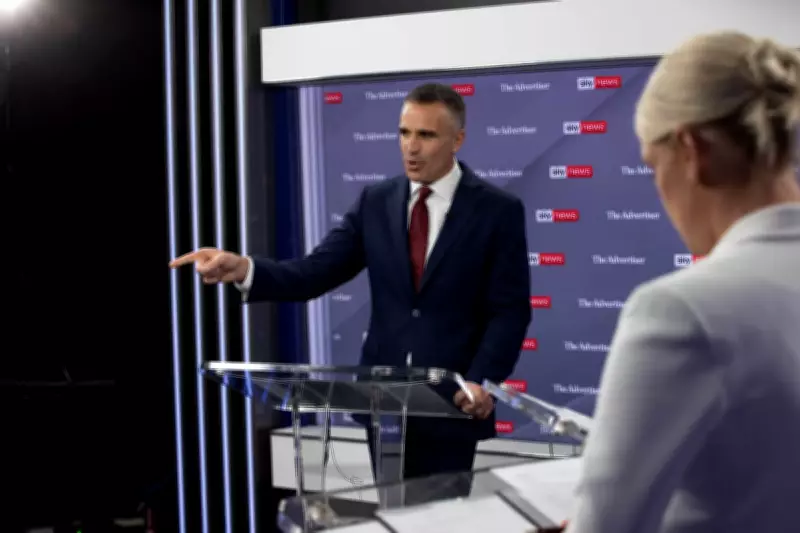
Malinauskas has centered his campaign on South Australia's economic performance, labeling the Liberals a "shambles." In debates, he has challenged Hurn over inconsistent net zero policies and the party's stance on scrapping the state's Indigenous voice to parliament. Hurn, in turn, has criticized the government's handling of ambulance ramping and accused Malinauskas of prioritizing flashy events over core issues.
One Nation's Presidential-Style Campaign Risks
One Nation's strategy relies heavily on Hanson's personal appeal, but this presidential-style approach carries risks. Sheppard warns that voters may realize Hanson's name is not on the ballot, leading to potential support shifts to independents. Federal election results show strong One Nation support in electorates like Barker, Grey, and Spence, though state seat boundaries complicate predictions.
As Saturday approaches, the election outcome hinges on whether One Nation's poll numbers translate into actual votes. With Labor poised for a thumping win and the Liberals facing a battering, the real drama may lie in how One Nation reshapes South Australia's political landscape. Macintyre sums it up: "Stranger things have happened."






