Republican support is shifting dramatically as Marco Rubio consolidates his position as Donald Trump's potential successor for the 2028 presidential race, while JD Vance faces declining backing amid the ongoing conflict with Iran. According to a comprehensive new poll conducted by JL Partners for the Daily Mail, Rubio has gained significant ground over the past month, rising three percentage points to reach 17 percent among Republican primary voters. This surge solidifies his status as the clear second-place contender behind the current Vice President.
Vance Maintains Lead but Shows Vulnerability
Despite his commanding position, JD Vance has experienced a noticeable dip in support since the commencement of Trump's military campaign against Iran. The poll reveals that Vance currently leads the Republican field with 50 percent of primary voters, yet this represents a three percent decline from his standing before the conflict began. No other Republican candidate has managed to break into double digits, with former Florida Governor Ron DeSantis trailing distantly in third place at just nine percent.
Head-to-Head Matchup Reveals Complex Dynamics
In a hypothetical direct contest between the two leading Republicans, Vance would still decisively defeat Rubio by a commanding margin of 62 percent to 27 percent. This substantial advantage highlights Vance's continued strong position within the party base, even as his overall support shows signs of erosion. The Senator from Ohio built his early political career on opposing regime-change wars in the Middle East, making the Trump administration's prolonged effort to topple Iran's Islamic regime particularly problematic for his political brand.
Many Republican voters now express feelings of betrayal regarding Vance's stance during the conflict, contributing to his declining numbers. Nationally, Vance maintains an approval rating of 47 percent, which remains four points higher than President Trump's current standing. Rubio trails significantly with just 34 percent approval, indicating that while he is gaining ground as a potential successor, he still faces substantial challenges in broadening his appeal.
Democratic Field Remains Competitive
On the Democratic side, Vice President Kamala Harris continues to lead the field as the frontrunner with 22 percent support, though she has experienced a slight one-point decline. California Governor Gavin Newsom remains close behind at 19 percent, holding steady and ensuring the race remains highly competitive at the top. Transportation Secretary Pete Buttigieg has inched upward to 11 percent, marking a one-point gain that firmly establishes him in third position.
Pennsylvania Governor Josh Shapiro has posted one of the most significant increases among Democratic contenders, climbing three points to reach eight percent and moving into fourth place. While no Democrat has yet broken decisively from the pack, the more immediate concern for Republicans centers on President Trump himself, whose approval ratings have entered a steep decline as the Iran conflict drives energy prices to unprecedented levels and deepens America's cost-of-living crisis.
Trump's Approval Hits Record Low
The President has reached his lowest approval rating at just 42 percent, a dramatic six-point drop from the 48 percent he enjoyed before launching Operation Epic Fury on February 28. The military campaign has triggered a global oil crisis following the closure of the Strait of Hormuz, a critical maritime passage through which approximately one-fifth of the world's oil supply normally flows. The Iranian regime has managed to disrupt global shipping relatively inexpensively through the deployment of drones and explosive suicide boats.
This disruption has had immediate and severe consequences for American consumers, with gasoline prices surging to a nationwide average of four dollars per gallon. This represents a substantial increase from the pre-conflict average of just $2.90 per gallon only three weeks ago. The timing is particularly problematic for Trump and Vance, who won the 2024 election largely on a platform promising to lower living costs and avoid new foreign military engagements.
Uncertain Future for Vance
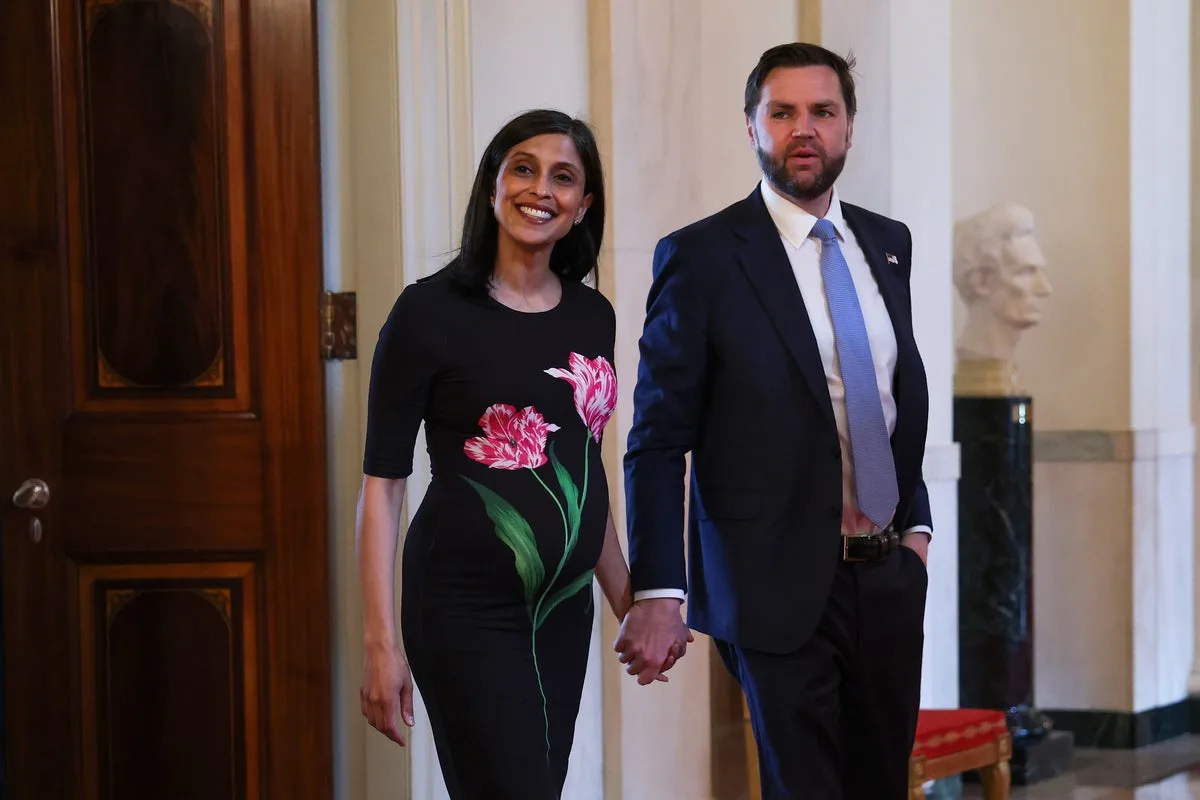
Adding to the political uncertainty, Vance has yet to confirm whether he will seek the presidency in 2028. Multiple reports suggest he is deliberately delaying this decision as he and his wife Usha prepare to welcome their fourth child. This personal consideration, combined with the political fallout from the Iran conflict, creates a complex landscape for the Republican Party as it looks toward the next presidential election cycle.
The poll results reveal a Republican electorate in flux, with traditional foreign policy positions being reassessed in light of ongoing military engagement. While Vance maintains substantial advantages in head-to-head matchups and overall support, the erosion of his backing and Rubio's concurrent rise suggest that the party's future leadership remains very much an open question. The coming months will likely see continued volatility as the Iran conflict unfolds and its economic consequences become increasingly apparent to American voters across the political spectrum.






