

Reform UK's Electoral Impact Could Secure SNP Majority and Independence Push
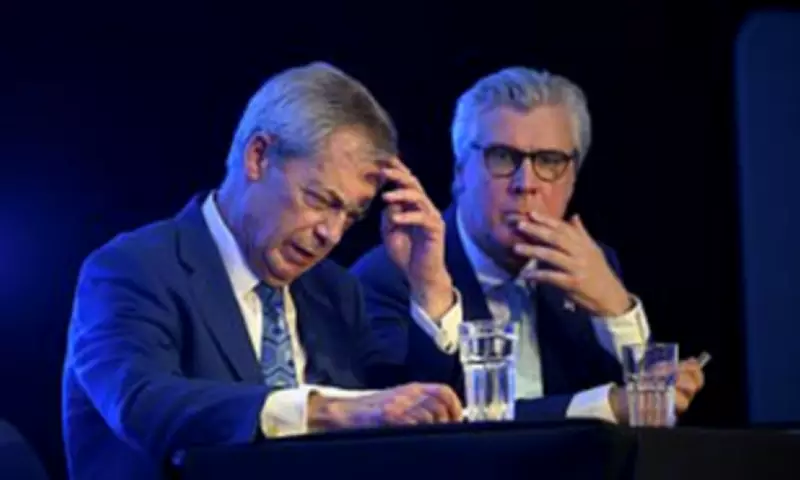
If Nigel Farage's Reform UK achieves just one outcome in the upcoming Holyrood election, it will be this: delivering the keys to Bute House directly to John Swinney and the Scottish National Party. Leading political analysts are unanimous in this assessment, with Professor Sir John Curtice, the UK's foremost authority on electoral trends, describing Reform's presence as unequivocally 'good news' for the SNP.
The Simple Mathematics of Vote Splitting
The mechanism behind this potential outcome is straightforward. Reform UK stands to fragment the opposition vote against the SNP, creating a pathway for John Swinney not merely to secure victory, but to achieve a substantial, potentially majority-winning margin. The gravity of this scenario cannot be overstated. It represents a direct threat to the Union, potentially condemning Scotland to another five-year term of SNP governance characterized by what critics label as sleaze, incompetence, sky-high taxes, and uncontrolled benefit spending.
Compounding this, John Swinney has explicitly warned that securing an outright majority would provide the mandate to activate plans for a second independence referendum. This prospect, which many unionists view as detrimental to Scotland's stability, could be made reality through Reform's electoral intervention.

Reform's Controversial Stance on Nationalism
Remarkably, Reform's leadership appears unconcerned by this possibility. Nigel Farage has publicly stated his lack of apprehension about another SNP term at Holyrood. His appointed lieutenant in Scotland, Lord Malcolm Offord, has adopted an even more provocative position. For months, Offord has actively courted SNP voters he terms 'rational nationalists', proposing a political bargain.
He has offered to collaborate with them and, in exchange, expressed willingness to see an independence referendum held within the next few years. Astonishingly, Offord argues that such cooperation would actually strengthen the nationalist position in any future vote on Scotland's place within the United Kingdom. This approach has led to accusations that Reform are 'Unionists in name only', effectively providing nationalists with a strategic blueprint to achieve separation.
This stance was underscored recently when Reform fielded candidates who openly support independence, a move Farage attempted to dismiss lightly by labeling them 'sinners from the SNP'. Critics argue that the very notion of a 'rational nationalist' is an oxymoron, given that Scottish nationalism is fundamentally predicated on the belief that dismantling the UK is both positive and necessary.
A Policy Vacuum and Fantasy Promises
The policy differences between Reform and established unionist parties run deep. While the Scottish Conservatives have developed a costed platform focused on tax reduction, economic growth, and public service reform, Reform has been accused of operating in a credibility vacuum. Lord Offord has controversially downplayed concerns about Scotland's soaring welfare budget, projected to reach £10 billion, claiming it is not a problem.
Yet, Reform's recently published manifesto paradoxically suggested reducing welfare spending without providing any substantive detail or explanation. This inconsistency renders their parallel promises of tax cuts largely meaningless, according to analysts. Their policy proposals have been further criticized as fantastical, including a pledge to eliminate all central government funding for Scotland's 32 local authorities—a move that would inevitably trigger massive council tax increases.
The Stakes for Scotland's Future
The central question for the May election is clear: how can Scotland prevent the SNP from winning a majority and proceeding with plans for a second independence referendum? The evidence suggests that Reform UK is not the answer to this question; rather, they are a significant part of the problem. By weakening the unionist vote and promoting unrealistic policies, their recent conference demonstrated they lack the seriousness required for governance.

As the campaign enters its final seven weeks, unionist forces are mobilizing to convince voters across Scotland that the most effective way to block an SNP majority and halt the independence push is to support the Scottish Conservatives on the regional list ballot. The alternative, they warn, is a Reform-enabled SNP victory with profound constitutional consequences.





