

One Nation's Poll Surge Faces Reality Check as History Warns of Mainstream Hurdles
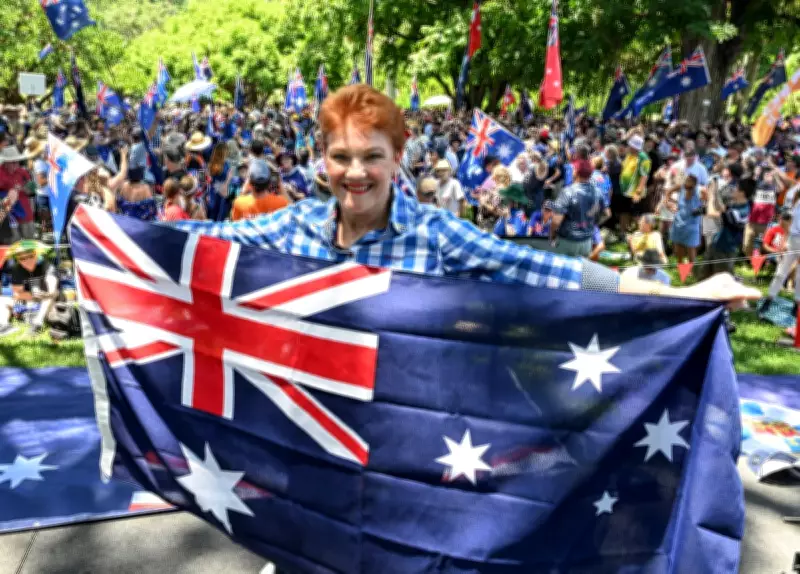
Pauline Hanson was in Brisbane on Australia Day as support for her One Nation party climbs in national polls, but history suggests the party will struggle to go mainstream. Despite a surge in popularity, the firebrand senator's ability to win big at the next election is far from assured, with sober analysis of the party's prospects warranted.
A Cautionary Tale from Queensland's Past
In October 2017, Hanson was caught off guard when then Queensland premier Annastacia Palaszczuk announced a snap election. Riding high in opinion polls at the time, the One Nation leader was travelling overseas while Palaszczuk got the jump on her rivals. As one veteran of Queensland campaigns recalls, major parties feared voters were sleepwalking into handing One Nation the balance of power in the state parliament.
Then Pauline flew home, and things quickly went awry for One Nation. Many of the party's candidates were revealed to have disqualifying features, and the leader struggled under the scrutiny of the campaign glare. Despite polling north of 20% and driving a "battler bus" around the state, One Nation won just one seat. While securing 13% of the vote, it emerged with fewer MPs than Bob Katter's party and went on to lose half that vote the next time around.

Current Polling Surge and Strategic Moves
This clash of expectations and reality remains instructive for politics today. Once described by strategist Lynton Crosby as "the accidental tourist of Australian politics", Hanson has instead become one of its great survivors. Approaching 30 years in public life, her mix of grievance politics and stunts means she is never far from the headlines.
This week's Guardian-Essential poll put the party's primary vote at 22%, triple what it achieved at the 2025 election and just three points below the Coalition. In Newspoll, One Nation has 22% of the primary vote, ahead of the Coalition for the first time. Hanson is leading the Coalition by five points in YouGov's latest poll and three points in numbers released by DemosAU.
In rural seats, One Nation led the Coalition by 35–21 on primary votes in YouGov, leaving them well placed to take seats from the Liberals and Nationals. Like Nigel Farage's Reform in Britain, more defections from the former Coalition parties are expected in coming weeks.
Challenges in Scaling Up Operations
Hanson has smart strategists around her, including her chief-of-staff, James Ashby, and cuts through on social media with politically incorrect satire and clips from Canberra. She has standing appointments on Sky News and commercial radio, resonating with people who hate politicians and feel as if they are not getting a fair go from the system.
With the support of Barnaby Joyce's patron, the mining magnate Gina Rinehart, and a growing list of business leaders, One Nation looks to be much better funded going into the next federal election, due in early 2028. Ashby has hyped an announcement to "shock the nation" next week, including more big names joining the party's ranks.
However, like in Queensland in 2017 and elections dating back to her first major outing with voters nationally in 1998, Hanson and One Nation can struggle to scale up their operations effectively enough to win big. Campaigns are expensive and complex, and a minor party based primarily in Queensland and more experienced in the Senate will struggle to properly vet candidates and organise volunteer infrastructure to outpace the Liberals and Labor.
Preference Flows and Electoral Realities
To win, One Nation will need to attract good preference flows, a hard thing to guarantee, given most voters don't usually follow how-to-vote instructions line by line. Asked on Thursday why he was resisting appeals to move to One Nation, the Nationals MP and leadership challenger Colin Boyce highlighted this on ABC radio. He said it was a lot easier for Hanson and her colleagues to win with Senate quotas of about 14%, rather than navigating preferential voting to win in lower house seats.

The election analyst Antony Green wrote this week that One Nation's high national vote means it is likely attracting numbers north of 35% in some rural and provincial seats. He said that would be enough to win some seats, provided they can maintain the polling position. Green has nominated seats, including Hunter in New South Wales, as possible targets.
Immigration Debate and Future Prospects
Hanson will try to replicate one of her most successful campaigns: the 1998 Queensland state election when One Nation had 11 MPs elected. That result was off the back of her xenophobic maiden speech in federal parliament, when she claimed Australia was "in danger of being swamped by Asians".
Growing economic anxiety and another heated political debate about immigration in Australia, driven this time by the Liberals and Nationals, will play to Hanson's strength and instincts. After the pandemic, the Scanlon Foundation's annual assessment of social cohesion is among polls showing a marked rise in the proportion of Australians who think that immigration is too high. It was 24% in 2022, but had jumped to 49% two years later, and crept up to 51% last year.
Claiming her recent surge in popularity means she is now a major party leader, Hanson said last month the challenge was continuing to "earn" the growing support and trust of mainstream voters. History suggests she'll struggle, as the party's warped online world and past electoral setbacks indicate a rocky path ahead despite the polling climb.





