

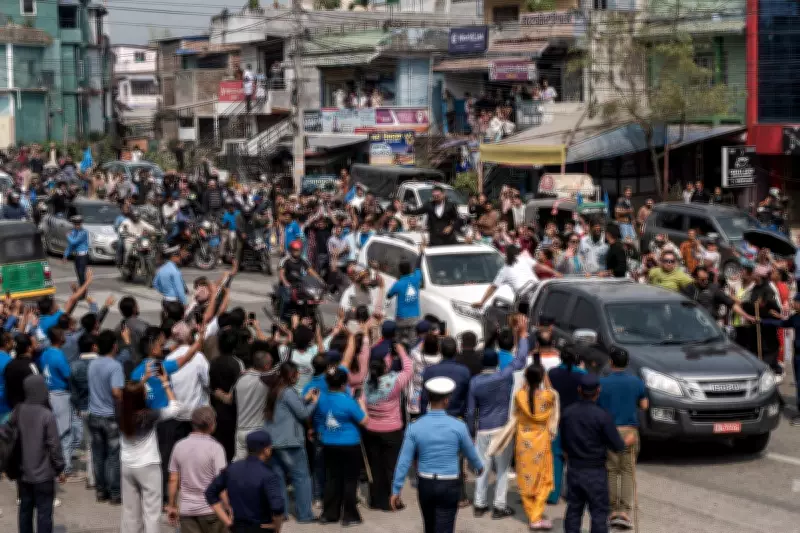
Nepal Prepares for Landmark General Election Amidst Political Turmoil
Nepal is set to hold a crucial general election on March 5, marking the first nationwide vote since violent, youth-led protests erupted last September. These demonstrations led to the collapse of the previous government and the resignation of Prime Minister KP Sharma Oli, highlighting deep-seated public anger over corruption and soaring youth unemployment rates.
Massive Voter Turnout Expected
Nearly 19 million eligible voters, including approximately 800,000 first-time participants, are poised to cast their ballots to elect members of the 275-seat House of Representatives. This election is widely viewed as a generational clash between the established political elite, represented by figures like Oli, and a new wave of leaders such as rapper-turned-politician Balendra Shah and Nepali Congress leader Gagan Thapa.
Focus on Youth Unemployment Crisis
A central issue dominating the campaign trails is Nepal's severe jobs crisis, with youth unemployment standing at 20.6 per cent—the highest rate in South Asia and Southeast Asia. Candidates are under pressure to propose viable solutions to address this economic challenge, which has fueled widespread discontent among the younger population.

Security Measures and Calls for Calm
The interim administration, led by former chief justice Sushila Karki, has issued appeals for peaceful participation in the electoral process. Due to concerns over weapons stolen during last year's protests, the army will oversee voting operations to ensure security and stability throughout the election day.
Generational Battle for Leadership
This election represents a significant shift in Nepal's political landscape, with emerging figures like Balendra Shah gaining traction as symbols of change. The outcome will likely determine whether traditional political forces retain control or if a new generation can implement reforms to tackle corruption and economic hardships.






