Liberal Party Preferences Deliver Seats to One Nation in South Australian Election
In a significant political development, analysts have confirmed that the Liberal party's strategic decision to preference One Nation above the Labor party in last Saturday's South Australian election has directly resulted in seats being handed to the right-wing populist party. This move has sparked intense debate about the future of opposition politics in the state.
Election Outcomes and Seat Projections
Labor secured a decisive victory with a thumping majority, while the Liberal party unexpectedly finished behind Pauline Hanson's One Nation on primary votes. One Nation is now set to hold at least two seats in the upper house, led by former federal senator Cory Bernardi. In the lower house, although only one seat has been officially declared for One Nation so far, it is likely to gain more as vote counting continues.
Despite being outnumbered by the Liberal party, One Nation boldly declared on Tuesday that it "is now the real opposition in SA," highlighting a shift in the political dynamic.
Analyst Insights on Preference Flows
Adelaide University emeritus professor of politics Clem McIntyre explained the mechanics behind this outcome. "Seats that One Nation are going to win will be won on Liberal party preferences," he stated. "In each case, it's going to be Labor or Liberal coming third, and if the Liberals fall below Labor, they'll get eliminated, and the preferences will go to One Nation."
He emphasized that this strategy has provided One Nation with parliamentary seats they would not have otherwise secured, granting them increased credibility and attention as a formal party in the House of Assembly.
Electoral analyst Ben Raue added that a couple of seats are likely to be won by One Nation thanks to Liberal preferences. He noted that if Labor's primary vote had been five points lower, One Nation could have captured even more seats, underscoring the critical role of preference allocations in tight contests.
Historical Context and Strategic Shifts
This approach marks a departure from historical Liberal strategies. Former prime minister John Howard famously advocated placing One Nation last on how-to-vote cards, but in 2017, he endorsed the Western Australian branch's deal with the party. In 2025, then-leader Peter Dutton also struck a deal to preference One Nation second, though neither campaign resulted in victory.
Flinders University political scientist Dr Rob Manwaring commented on this shift, saying, "This is a very different strategy from the John Howard era, where both major parties acted almost like a cartel against the radical populist party. I presume they're making assumptions that preferencing One Nation would help them, and it hasn't turned out like that." He also pointed out that the Liberals should be grateful for Labor preferences, which helped them secure a handful of seats, as One Nation did not reciprocate by preferencing the Liberals.
Liberal Leadership Response and Future Implications
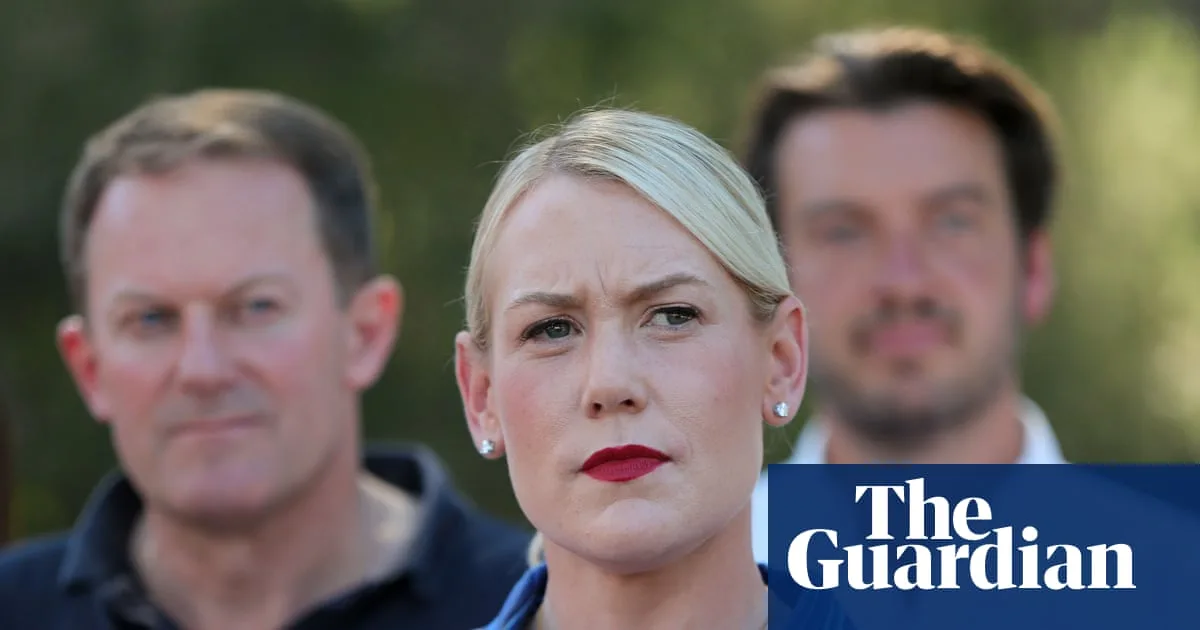
Liberal leader Ashton Hurn defended her party's decision, describing it as "a vote of no confidence in the government" but "far from" a vote of confidence in One Nation. She remarked, "But you've got to put people somewhere on the ballot," acknowledging the complexities of preference decisions in a multi-party contest.
On Tuesday, former Liberal premier of Victoria Jeff Kennett urged the Coalition and One Nation to preference each other, hinting at potential alliances in future elections, including Victoria's upcoming vote in November. When asked if the party would review the preference decision, Hurn told ABC Adelaide that everything, including preferences, would be evaluated, noting the ongoing vote adjustments and the presence of independents adding to the complexity.
Current Vote Counts and Seat Adjustments
As votes continue to be tallied and preference flows calculated, Labor and premier Peter Malinauskas's victory was declared early on election night. Recent figures show Labor's primary vote at 31.8%, One Nation's at 22.4%, and the Liberal party's at 19.2%. The electoral commission of SA has not yet finalized seat declarations, with adjustments ongoing.
According to ABC reports, Labor leads with 32 seats, the Liberals have four, independents hold two, and One Nation has secured Ngadjuri. One Nation is also "likely" to win Hammond and is "ahead" in Narungga and MacKillop, with Raue confirming that Liberal preferences played a key role in these outcomes.
Raue concluded, "The other dynamic is that Labor won in a landslide. If Labor's vote was five points lower, One Nation could be competitive in some of those fringe seats. If Labor was weaker, the Liberals would have helped them in a bunch more seats. Does it matter that the Liberals preferenced One Nation? Absolutely."






