
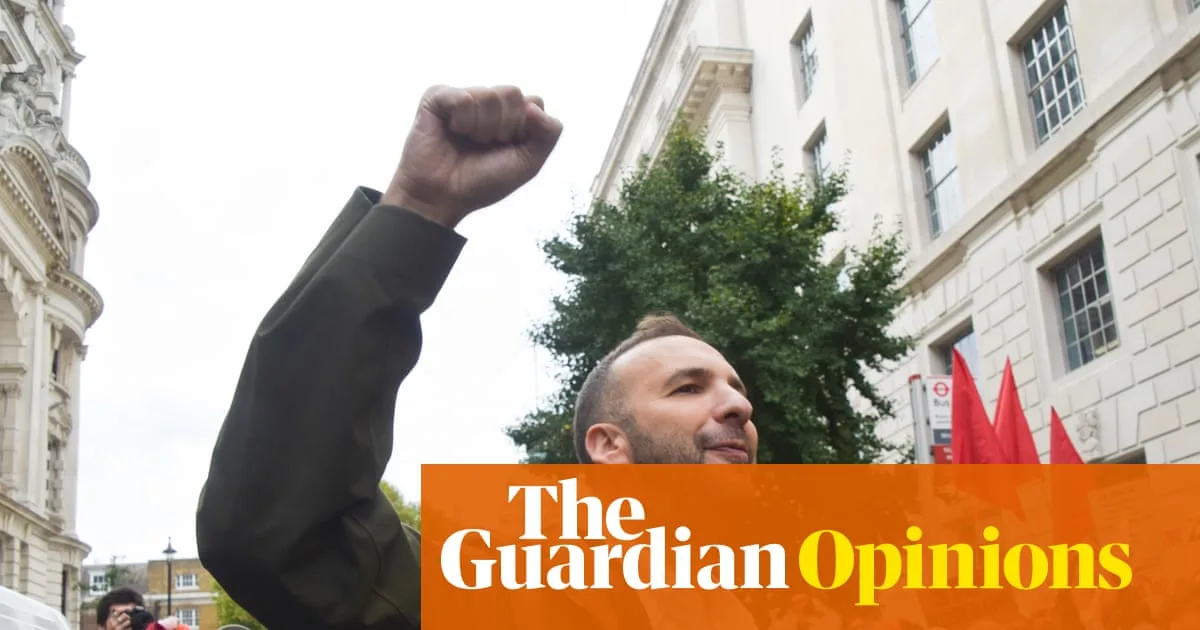
Zack Polanski, elected Green Party leader in September, has seen his party's popularity surge, with polls now suggesting the Greens could overtake Labour in the coming weeks. In the most recent YouGov poll, the Greens are just four points behind Labour, down from a 12-point gap in August. Some polls have shown the parties almost at parity, raising the prospect of a seismic shift in British politics.
Polanski has gained attention through his blunt style and social media presence, particularly on TikTok, leading to increased broadcast coverage. According to PR consultancy Be Broadcast, he received more media mentions than Liberal Democrat leader Ed Davey and nearly as many as Conservative leader Kemi Badenoch between 1 September and 20 October. The Greens also attracted the most positive, solution-focused coverage during that period.
The key challenge for the Greens is converting this momentum into sustained support. For smaller parties, breaking through requires airtime and convincing voters that a vote is not wasted. Polanski has been effective in making himself heard, but the Greens have only four MPs compared to Labour's over 400. However, Labour's reliance on voters who support them to block Reform could be vulnerable if enough believe a more radical left-wing party can win.
Polanski, who serves on the London Assembly, has positioned himself as a more creative and imaginative alternative to Keir Starmer. He has advocated for wealth taxes and claimed credit for pushing Labour leftwards. His party conference speech, responding to a synagogue stabbing, was praised as deft and thoughtful. While Labour retains greater heft and experience, the Greens' rise could have significant consequences for the political landscape.




