

GOP Leaders Emphasise Economic and Border Issues in Midterm Campaign Push
When JD Vance addressed a crowd in Rocky Mount, North Carolina, he stood before a banner proclaiming 'Lower Prices, Bigger Paychecks', signalling the central theme of the Republican Party's strategy as the midterm elections approach. The jostling for position in these crucial contests has unmistakably begun, with economic concerns and immigration policy dominating the discourse.
Trump's Legacy and Current Challenges
Donald Trump has frequently cited his administration's achievements in border control and economic management, claiming his landslide White House victory was built on promises to close the border and address the price of eggs. Indeed, his administration scored a significant victory by reducing illegal crossings at the southern border with Mexico from a peak of 2.5 million in 2022 during the Biden-induced crisis to approximately 25,000 last year.
However, the cost of living has proven far more stubborn to tackle. This issue remains paramount for American voters, a point underscored by Vance's messaging. The soaring price of oil, exacerbated by conflict in the Gulf, alongside unaffordable housing—particularly in coastal states—has left many struggling to afford basic necessities like shelter, fuel, and food.

Polling Realities and Geopolitical Factors
Current polls show Trump and Republicans lagging, with projections suggesting they could lose control of the House, if not the Senate, in the November midterms. Yet, there are reasons for cautious optimism from a Republican perspective. The elections are still months away, and the most critical polling will occur in the autumn, not now.
By then, it is not unreasonable to anticipate that the Strait of Hormuz may reopen, potentially stabilising gas prices. Additionally, an expected heatwave in California is driving up fuel demand as people travel to beaches and mountains, temporarily inflating costs. These seasonal and geopolitical factors could shift as election day nears.
Organisational Strength and Campaign Tactics
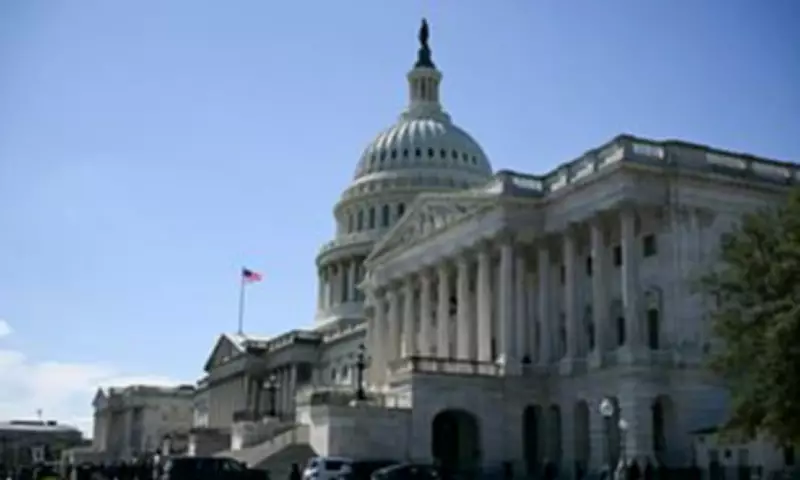
The Republican Party's organisational prowess in Congress and campaigning could prove a decisive advantage. With wafer-thin majorities—only six in the Senate and just three in the House—every vote on Capitol Hill will count. Congressman Tom Emmer, the House Majority Whip, has outlined a clear strategy for his GOP colleagues in the crucial months ahead.
Emmer emphasises two fundamental rules:
- First, prioritise your constituents at home, because nobody in DC voted for you. This means focusing on the Trump agenda that originally secured their elections, rather than getting bogged down in Beltway concerns.
- Second, maintain personal health, as if you're not taking care of yourself, you're not going to be here long. The GOP has a strong track record of ensuring even ill or wheelchair-bound members attend key votes, though Emmer hopes it won't come to that.
Comparative Context and Voter Sentiment
This economic struggle mirrors trends across Western economies, where asset holders' wealth continues to outpace that of wage earners. Yet, geopolitical comparisons offer little solace to voters unable to afford housing or groceries. American voters have been vocal in polls, reflecting dissatisfaction that threatens Republican control.
Trump's enduring strength as a candidate, contrasted with what Republicans describe as the shambolic predecessor and Democrat establishment's alleged cover-ups of Biden's infirmity, provides a rallying point. However, the party's success will hinge on effectively communicating their message on lowering prices and securing borders, while navigating the challenges of slim majorities and volatile economic conditions.






