Fury and Disconnection: Inside the Gorton and Denton Byelection Battle
Fury and Disconnection in Gorton and Denton Byelection

Fury and Disconnection: Inside the Gorton and Denton Byelection Battle

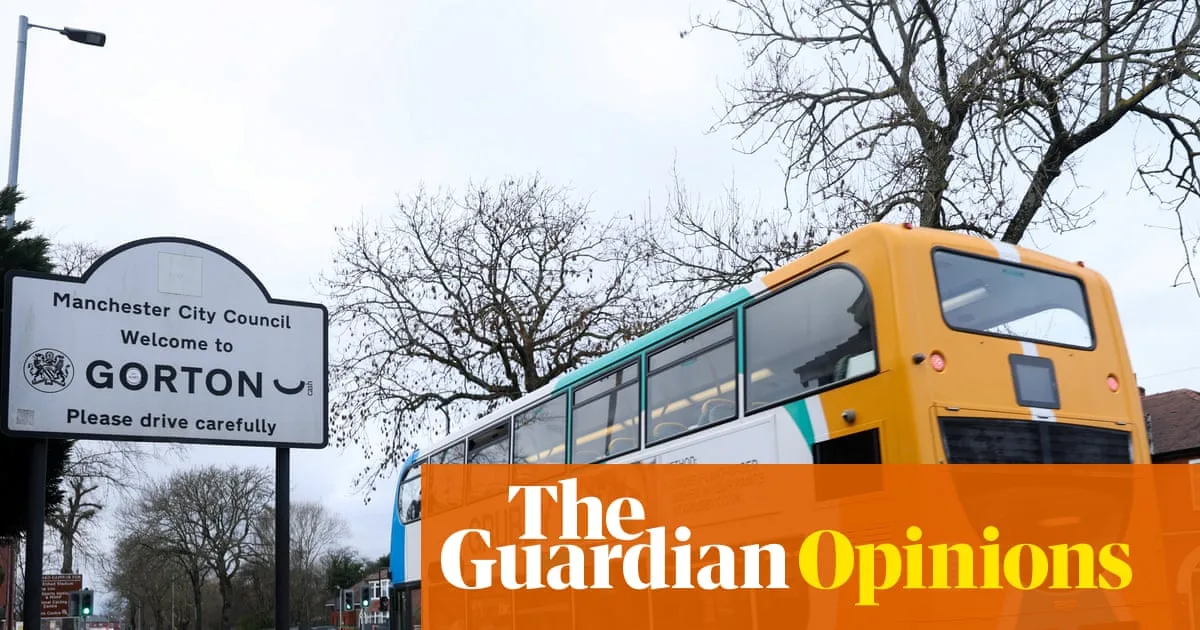
In the heart of Greater Manchester, a political storm is brewing as the Gorton and Denton byelection approaches, revealing a deep-seated fury and disconnection among voters that could reshape British politics. The route of the No 201 bus, stretching from Manchester's gleaming city centre to the outer edges of Gorton, serves as a stark metaphor for the widening gap between regeneration promises and grassroots reality.

A Landscape of Resentment

Gorton, despite millions being poured into regeneration schemes promising new housing and revitalised high streets, is simmering with fierce resentment. In the covered market soon to become a "food and drink cluster," conversations about the looming vote quickly turn to expressions of anger and disillusionment. This sentiment crystallises a broader political theme: a long-festering sense of disconnection reaching new extremes under a government perceived as powerless to address core issues.

Voters speak animatedly about grooming gangs, small boats crossing the Channel, sky-high private rents, and the impossible cost of living. One woman shares a heartbreaking story: "My mum's got stage four terminal cancer and she can't afford to put her heating on." Every ten minutes, another version of a modern mantra emerges: "I really don't like Keir Starmer." Few can specify why beyond vague claims of unmet promises, but this ambiguity seems to fuel their loathing even more, highlighting Starmer's failure to define himself clearly.

Wide Pickt banner — collaborative shopping lists app for Telegram, phone mockup with grocery list

Denton: Red Wall Echoes and Immigration Fears

Twenty minutes further along the bus route lies Denton, a part of the constituency where voters are 83% white and 86% UK-born, with the Peak District hills suddenly visible. This town feels distinctly "red wall"-ish, rooted in Lancashire's coalfield history, where family businesses cling on and economic hopes hinge on a new food hall opening soon.

Mary, in her early-30s, works full-time in retail but still lives with her parents, describing her situation with biting frustration. Her friend Lexi, a mother of two, juggles three jobs—care support worker, dinner lady, and cleaner—barely holding everything together. Their primary concern is immigration. While acknowledging that foreign workers are essential for basic services, they fixate on "the people on the streets, and the ones coming in on boats." They share a strange belief that central Manchester is now too dangerous to visit, express appreciation for Nigel Farage and his party, but insist they haven't decided their vote—though "It won't be Labour," Lexi declares.

Reform UK's Menacing Presence

This environment presents a ready market for Reform UK's pledges: "Stop illegal immigration," "Put the British people first," "End lawlessness on our streets." Fronted by Matt Goodwin, a former academic analyst turned prime mover of the new right, Reform's campaign taps directly into local anxieties. For Labour, however, Reform is only half the headache. The other worry lies in areas southwards towards Stockport, including Levenshulme and Longsight, home to Muslim voters potentially shifting to a pro-Gaza candidate, plus students and young professionals targeted by the insurgent Green party.

The Vacuum Left by Burnham's Absence

Both halves of the constituency highlight the painful vacuum created by barring Andy Burnham from standing. Had Burnham been the candidate, Labour's campaign could have centred on his personal record, his diagnosis of Britain's mess—"deindustrialisation, privatisation, austerity and Brexit"—and a contrasting sense of optimism. Instead, stranded without a narrative, Labour defends its disastrous first 19 months in power and a leader no one likes.

In Levenshulme, Max, a 27-year-old volunteer for asylum charities, says Starmer "needs to kind of self-reflect: 'What do I believe? What do I want?'" He notes Farage's clear vision, adding, "You can't combat Reform if you haven't got that. They've got better stories ... I think they're toxic stories, but they're better at telling them." He brightens, however, praising the Greens: "But the Greens have got a good story as well."

Pickt after-article banner — collaborative shopping lists app with family illustration

Longsight: Bafflement and Division

In Longsight, after Friday prayers at a compact mosque, middle-aged men express bafflement over Burnham's exclusion and worry about a Reform victory splitting the left vote. Holding up a Reform leaflet, one reaction is instant and unsettling: "It upsets me. It's not healthy. It's dividing us."

Labour's Uphill Battle

Labour may yet hold on, relying on its formidable get-out-the-vote machine and activists. Starmer's claim that the contest pits "true patriotism against the plastic patriotism of Reform" might help position Labour as the tactical choice to defeat Farage and Goodwin, as attempted in Caerphilly. But even a Labour win won't shift the deep-seated anger, disconnection, and bewilderment with a floundering government.

This underlying mood should alarm Labour's high-ups. Every relaunch and U-turn has either ignored public sentiment or intensified it. After this byelection, these feelings will likely define May's elections in Wales, Scotland, and English councils. In Longsight's open-air market, a Green leaflet offers a knowing challenge: "Make hope normal again." The question remains: Can Labour do that? If not, how can it possibly arrest its decline?




